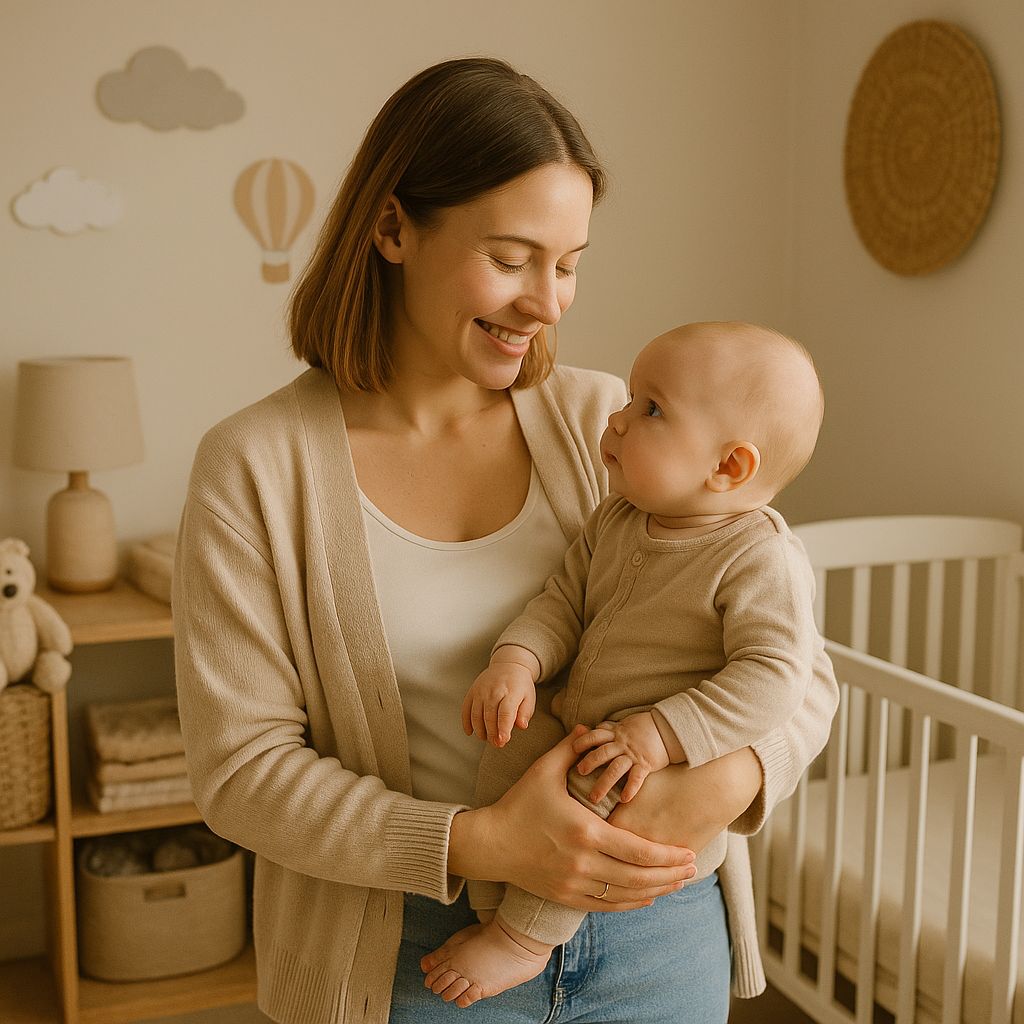

Creating a Baby-Friendly Home Without Overspending: Expert Tips for Parents
Welcoming a baby into your home is one of life’s most exciting and transformative moments. But with endless product recommendations and Pinterest-perfect nursery inspiration, it’s easy to feel like you need to spend thousands to create a safe, comfortable space for your little one. The truth is, you can build a baby-friendly home without overspending—and still give your child everything they need to thrive.
Why a Baby-Friendly Home Matters
A baby-friendly home isn’t just about decorating—it’s about safety, comfort, and fostering a nurturing environment. As your child grows, your home will become their playground, classroom, and sanctuary. Setting up this space thoughtfully can help ease your transition into parenthood and support your baby’s development.
Budget Baby-Proofing: Safety First, Savings Always
Baby-proofing is often the first step parents take when preparing their home. Fortunately, you don’t need expensive gadgets or professional installation. Here’s how to keep it budget-friendly:
- Outlet Covers: Affordable, easy to install, and essential. You can find packs for under $10.
- Cabinet Locks: Simple plastic locks or magnetic locks keep cleaning supplies and sharp objects out of reach.
- Corner Guards: Prevent bumps and bruises on sharp furniture edges. DIY versions can be made from pool noodles!
- Stair Gates: Shop second-hand or borrow from friends. Ensure gates meet current safety standards.
- Secure Heavy Furniture: Use brackets or anchors (often included with new furniture) to prevent tipping.
DIY Baby-Proofing Projects
Get creative with items you have at home. For example, use rubber bands to keep cabinet doors shut or repurpose old socks as door stoppers. Always supervise your baby and adjust as they grow and explore new areas.
The Baby Essentials Checklist: Avoiding Unnecessary Purchases
Before buying anything, review a baby essentials checklist. Many products marketed as “must-haves” are nice-to-haves at best. Focus on these basics:
- Safe crib or bassinet
- Firm mattress with fitted sheet
- Baby monitor (optional)
- Diaper changing station (can be a pad on a dresser)
- Clothing basics (onesies, sleepers, socks)
- Swaddle blankets
- Car seat (new or certified used)
- Basic baby-proofing gear
Skip extras like wipe warmers, bottle sterilizers, and fancy nursery organizers unless you find you truly need them.
Smart Shopping Strategies for Parents
Here’s how to stretch your budget while ensuring quality:
- Buy Second-Hand: Thrift stores, online marketplaces, and parent groups are gold mines for gently used baby gear.
- Borrow or Swap: Share items with friends and family. Babies outgrow gear quickly!
- Focus on Multi-Use Items: Convertible cribs, dressers that double as changing tables, and strollers that adapt as your child grows.
- Shop Sales & Clearance: Sign up for store newsletters and track seasonal sales.
Affordable Nursery Ideas
Your nursery doesn’t need to be magazine-worthy to be cozy and functional. Here are some budget-friendly tips:
- DIY Wall Art: Frame family photos, create handprint art, or print free online artwork.
- Removable Wall Decals: Cheap, easy to apply, and perfect for renters.
- Repurpose Furniture: Use a bookshelf for baby clothes, baskets for diaper storage, and a comfy chair from your living room as a nursing spot.
- Upcycle and Thrift: Paint an old dresser or use a vintage rug for a unique touch.
Organizing Baby Spaces: Less Is More
Babies need surprisingly little space, but smart organization makes life easier:
- Storage Bins & Baskets: Use what you have or buy second-hand. Label for easy access.
- Open Shelving: Keep essentials within reach and rotate toys for variety.
- Vertical Storage: Hang shelves, hooks, or organizers to maximize space.
- Clothing Rotation: Keep only current sizes in drawers; store others in labeled bins.
Childproofing the Whole Home: Room-by-Room Guide
Baby-proofing isn’t just for the nursery. Here’s a quick guide for each room:
Living Room
- Anchor TVs and bookshelves
- Keep breakables and small items out of reach
- Use soft rugs for crawling spaces
Kitchen
- Install cabinet locks
- Store cleaning supplies high up
- Keep hot drinks and sharp objects away from edges
Bathroom
- Non-slip mats
- Store medicines, razors, and toiletries out of reach
- Always supervise bath time
Bedroom
- Safe sleep space: firm mattress, fitted sheet, no loose bedding
- Keep cords and blinds out of reach
- Use blackout curtains for naps
Save Money, Reduce Waste: Eco-Friendly Parenting
Many money-saving strategies are also eco-friendly! Buying second-hand reduces waste, and choosing multi-use products means fewer items in landfills. Consider cloth diapers, reusable wipes, and organic cotton clothing for added sustainability—but remember, it’s okay to mix and match based on your budget and lifestyle.
Expert Advice: Common Mistakes & How to Avoid Them
Even the savviest parents fall for marketing traps. Here are some mistakes to avoid:
- Buying Too Much Too Soon: Babies grow fast. Wait to see what your child really needs before buying extras.
- Ignoring Safety Recalls: Always check second-hand items for recalls and current safety standards.
- Overdecorating: Keep decor simple and functional. Avoid clutter that can become a hazard.
- Falling for "Luxury" Baby Products: Focus on essentials; luxury items rarely improve safety or comfort.
Bonus Tips: Making Your Home Cozy for Baby
- Soft Lighting: Use lamps or nightlights instead of harsh overhead lights.
- White Noise: A fan or white noise machine helps babies sleep.
- Personal Touches: Include family photos, handmade blankets, or a favorite stuffed animal.
Conclusion: Your Baby-Friendly Home Awaits
Creating a loving, safe space for your baby doesn’t require a massive budget or designer decor. With a focus on essentials, smart shopping, and a little creativity, you can transform your home into a nurturing haven for your little one—and enjoy peace of mind knowing you’ve made the best choices for your family and your wallet.
Frequently Asked Questions
- What are the basic baby-proofing essentials I should prioritize?
- The most important baby-proofing essentials include outlet covers, cabinet locks, corner guards, stair gates, and securing heavy furniture. These items help prevent the most common household accidents.
- Is it safe to buy second-hand baby items?
- Yes, many baby items can be safely purchased second-hand. Always check for recalls, ensure the items are clean and in good condition, and avoid second-hand car seats or cribs that don’t meet current safety standards.
- How can I organize my baby's room without spending too much?
- Use storage bins, baskets, and shelves you already own or buy them at thrift stores. Repurpose furniture and prioritize items that grow with your child to save money and space.
- What are some affordable ways to decorate a nursery?
- DIY wall art, removable decals, thrifted decor, and upcycled furniture are great budget-friendly nursery decorating options.
- How can I avoid buying unnecessary baby products?
- Follow a baby essentials checklist, seek advice from experienced parents, and resist marketing pressure. Focus on safety, comfort, and practicality.
Ready to create your baby-friendly home? Share your favorite budget tips below and help other parents nurture their little giggle-makers—without overspending!