
Common Teething Myths Parents Should Know
Few milestones in your baby’s first year cause as much chatter, confusion, and conflicting advice as teething. If you’re a parent, you’ve probably heard a long list of teething “facts” from friends, relatives, and even well-meaning strangers at the grocery store. But how many of these are actually true?
As your little one’s first pearly whites begin to poke through, it’s important to separate myth from reality. In this comprehensive guide, we’ll debunk the most common teething myths, explain what you can really expect, and share safe, expert-backed tips for soothing your teething baby.
Understanding Teething: What Really Happens
Teething usually begins around 6 months of age, but it can start as early as 3 months or as late as 12 months. Most babies will have their full set of 20 primary teeth by age 3. The process can be uncomfortable, but it’s rarely the traumatic event many myths make it out to be.
Common signs of teething include:
- Increased drooling
- Chewing on objects
- Mild gum discomfort
- Slight irritability
- Occasionally a mild temperature increase (not a true fever)
Let’s break down some of the biggest myths surrounding teething and get to the facts.
Myth #1: Teething Causes High Fevers
This is probably the most widespread myth. Many parents believe teething is to blame for any fever their child develops. However, research shows that while teething might cause a slight rise in body temperature, it does not cause a true fever (a temperature above 100.4°F or 38°C).
If your baby has a high fever, it’s more likely due to an unrelated illness or infection. Always consult your pediatrician if you’re concerned.
Myth #2: Teething Leads to Diarrhea and Vomiting
There’s no scientific evidence linking teething to diarrhea or vomiting. Teething babies may put more objects in their mouths, which could introduce germs and potentially cause mild tummy troubles, but teething itself is not the culprit.
If your baby has persistent diarrhea or vomiting, or seems very unwell, don’t chalk it up to teething—contact your healthcare provider.
Myth #3: All Babies Experience Severe Teething Pain
Some babies sail through teething with barely a fuss, while others seem more sensitive. The truth is, teething symptoms vary widely. Most babies experience only mild discomfort, not the intense agony sometimes described in parenting circles.
Pay attention to your baby’s cues and comfort them as needed, but remember that severe symptoms likely have another cause.
Myth #4: Teething Causes Rashes All Over the Body
Teething can cause extra drooling, which may irritate the skin around your baby’s mouth and chin, resulting in a localized rash. However, a widespread rash on the body is not a typical teething symptom and should be evaluated by a doctor.
Myth #5: Teething Gels and Tablets Are Safe and Effective
Over-the-counter teething gels, especially those containing benzocaine, and homeopathic teething tablets are not recommended by pediatricians. These products can have dangerous side effects, including allergic reactions and, in rare cases, serious health risks like methemoglobinemia (a blood disorder caused by benzocaine).
Always check with your pediatrician before giving any medication or supplement to your baby.
Myth #6: Teething Necklaces and Amber Beads Relieve Pain
Amber teething necklaces and other beaded jewelry are not proven to relieve teething pain. More importantly, they pose serious choking and strangulation risks. The American Academy of Pediatrics advises against using teething necklaces or bracelets.
Myth #7: Teething Disrupts Sleep for Weeks
It’s true that teething can cause temporary sleep disturbances due to mild discomfort. But ongoing sleep problems are unlikely to be caused solely by teething. If your baby’s sleep is disrupted for more than a few nights, look for other causes such as illness, growth spurts, or developmental changes.
Myth #8: You Should Rub Whiskey or Alcohol on Baby's Gums
Decades ago, some parents used whiskey or other spirits to numb sore gums. We now know this is unsafe. Even small amounts of alcohol can be harmful to babies and should never be used as a teething remedy.
Myth #9: You Can Predict the Order and Timing of Teeth
While there’s a typical order for baby teeth to appear (bottom central incisors first, upper central incisors next, and so on), every child is different. Don’t worry if your baby’s teeth come in “out of order” or later than their peers—variation is normal!
Myth #10: Teething Causes Ear Infections
Ear pulling is a common self-soothing behavior in teething babies, but teething doesn’t cause ear infections. If your baby is tugging at their ears and also has a fever, fussiness, or trouble feeding, it’s best to check with your pediatrician.
What Really Helps Soothe a Teething Baby?
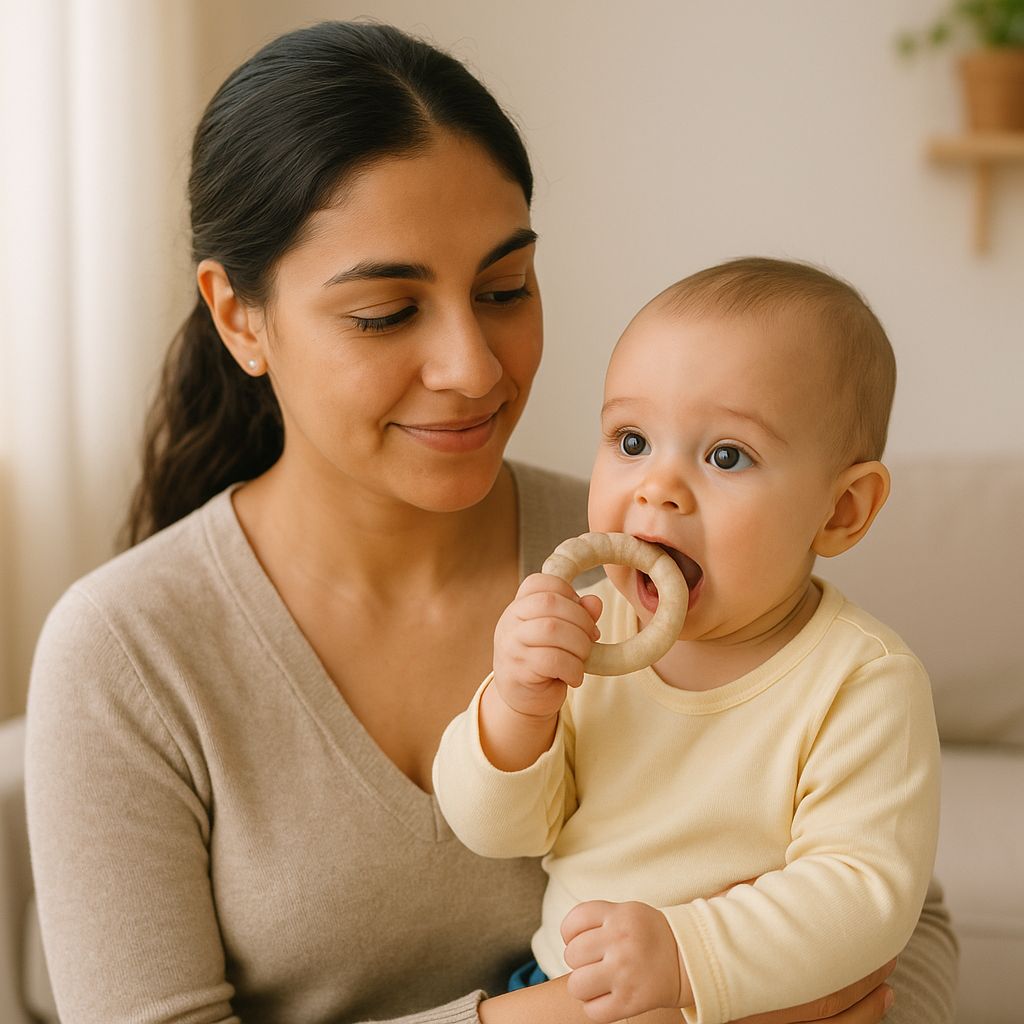
- Chilled teething rings: A cool (not frozen) teething ring can ease gum discomfort.
- Clean fingers: Gently rubbing your baby's gums with a clean finger can offer relief.
- Extra cuddles: Sometimes, a little extra love is the best medicine of all.
- Cold, soft foods: For older babies, chilled (not frozen) fruit like bananas or applesauce can soothe sore gums. Always supervise to prevent choking.
- Distraction: Play, music, or a walk outside can help take your baby's mind off their discomfort.
What to Avoid During Teething
- Teething gels containing benzocaine: Not safe for infants.
- Homeopathic remedies with belladonna: Linked to adverse effects.
- Teething necklaces and bracelets: Choking and strangulation hazards.
- Freezing teething rings: Too cold and may injure sensitive gums.
- Hard foods or objects: Can cause choking or injury to gums.
When to Call the Doctor
Most teething symptoms are mild and manageable at home. Call your pediatrician if your baby:
- Has a high fever (over 100.4°F/38°C)
- Is very irritable or inconsolable
- Isn’t eating or drinking well
- Has persistent diarrhea or vomiting
- Develops a widespread rash
- Shows signs of ear pain (unrelated to teething)
Teething: What’s Normal (and What’s Not)
| Normal Teething Symptoms | Not Normal—Call Your Doctor |
|---|---|
| Mild gum swelling or redness | High fever (over 100.4°F/38°C) |
| Drooling | Persistent diarrhea or vomiting |
| Chewing on hands or objects | Widespread rash |
| Mild fussiness | Refusal to eat/drink |
| Temporary changes in sleep | Extreme irritability or lethargy |
Frequently Asked Questions About Teething
- Can teething cause a high fever in babies?
- No, teething may cause a slight rise in temperature but not a high fever. A fever above 100.4°F (38°C) usually signals another illness and you should contact your pediatrician.
- Are teething gels and tablets safe?
- Many over-the-counter teething gels and homeopathic tablets are not recommended due to potential side effects. Always consult your pediatrician before using any medication.
- How can I soothe my teething baby safely?
- Offer a chilled (not frozen) teething ring, gently massage your baby's gums with a clean finger, and provide extra cuddles. Avoid teething necklaces, gels, or remedies containing benzocaine.
- Does teething cause diarrhea?
- There is no scientific evidence linking teething to diarrhea. If your baby experiences persistent diarrhea, consult your healthcare provider.
- When should I worry about teething symptoms?
- If your baby has a high fever, rash, vomiting, persistent diarrhea, or appears very unwell, contact your doctor. These symptoms are not typical of teething.
Final Thoughts: Trust Facts, Not Myths
It’s easy to get caught up in teething myths, especially when everyone you know seems to have a story or a “secret” remedy. The truth is, most babies get through teething just fine with a little extra TLC and safe comfort measures.
If you ever have concerns or your baby’s symptoms seem severe, trust your instincts and reach out to your pediatrician. Being informed and prepared is the best way to support your little one through this milestone—and to keep those growing giggles coming!
Remember: Teething is a natural part of growing up, not a medical emergency. With the right information, you and your baby will navigate it with confidence and comfort.