How to Comfort a Baby With Mild Fever at Home: Expert Parenting Guide
Watching your baby struggle with a mild fever can be worrying for any parent. While fevers are a natural response to infection, knowing how to comfort a baby with mild fever at home is essential for their well-being and your peace of mind. This comprehensive guide from Growing Giggles covers expert strategies, gentle remedies, and practical tips to ensure your baby feels secure and cared for during a mild fever episode.
Understanding Mild Fever in Babies
A mild fever is generally considered a body temperature between 100.4°F (38°C) and 102°F (39°C). For infants and toddlers, fevers can be triggered by common viral infections, teething, or even recent vaccinations. It's important to remember that fever is a symptom—not a disease—and often signals the body's immune system at work.
Common Causes of Mild Fever in Babies
- Viral infections: Such as colds, flu, or roseola.
- Bacterial infections: Ear infections, urinary tract infections.
- Teething: Some babies may have a slight increase in temperature.
- Immunizations: Mild fever can occur after routine vaccines.
When to Comfort at Home vs. Call a Doctor
Most mild fevers can be managed safely at home. However, it's crucial to recognize warning signs that require professional help:
- Newborns & young infants (under 3 months): Any fever warrants immediate evaluation.
- High fever: Above 102°F (39°C) lasting more than 24 hours.
- Other symptoms: Difficulty breathing, persistent vomiting, dehydration, lethargy, seizure, or rash.
When in doubt, consult your pediatrician.
Expert Strategies to Comfort a Baby With Mild Fever at Home
Here’s how you can help your baby feel better while managing a mild fever at home:
1. Maintain Hydration
- Offer frequent breastmilk or formula; babies under 6 months should not be given water unless instructed by a doctor.
- For older babies, offer small sips of water or baby-safe oral rehydration solutions.
- Signs of dehydration include fewer wet diapers, dry mouth, sunken eyes, or lethargy.
2. Keep the Room Comfortable
- Ensure the room temperature is between 68-72°F (20-22°C).
- Avoid overheating: Remove extra blankets or heavy clothing.
- Dress your baby in lightweight, breathable fabrics.
3. Encourage Rest
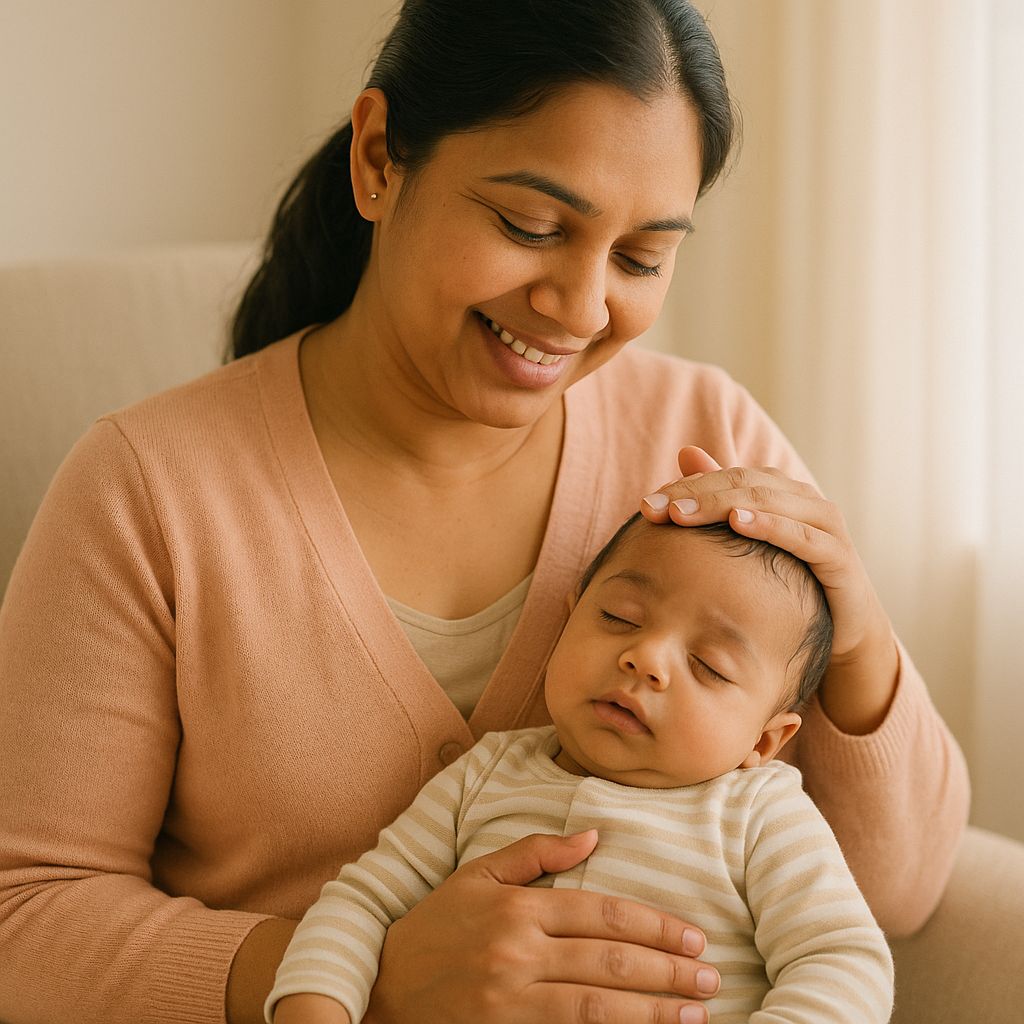
- Babies may be sleepier during fever; allow extra naps.
- Provide a calm, quiet environment for rest.
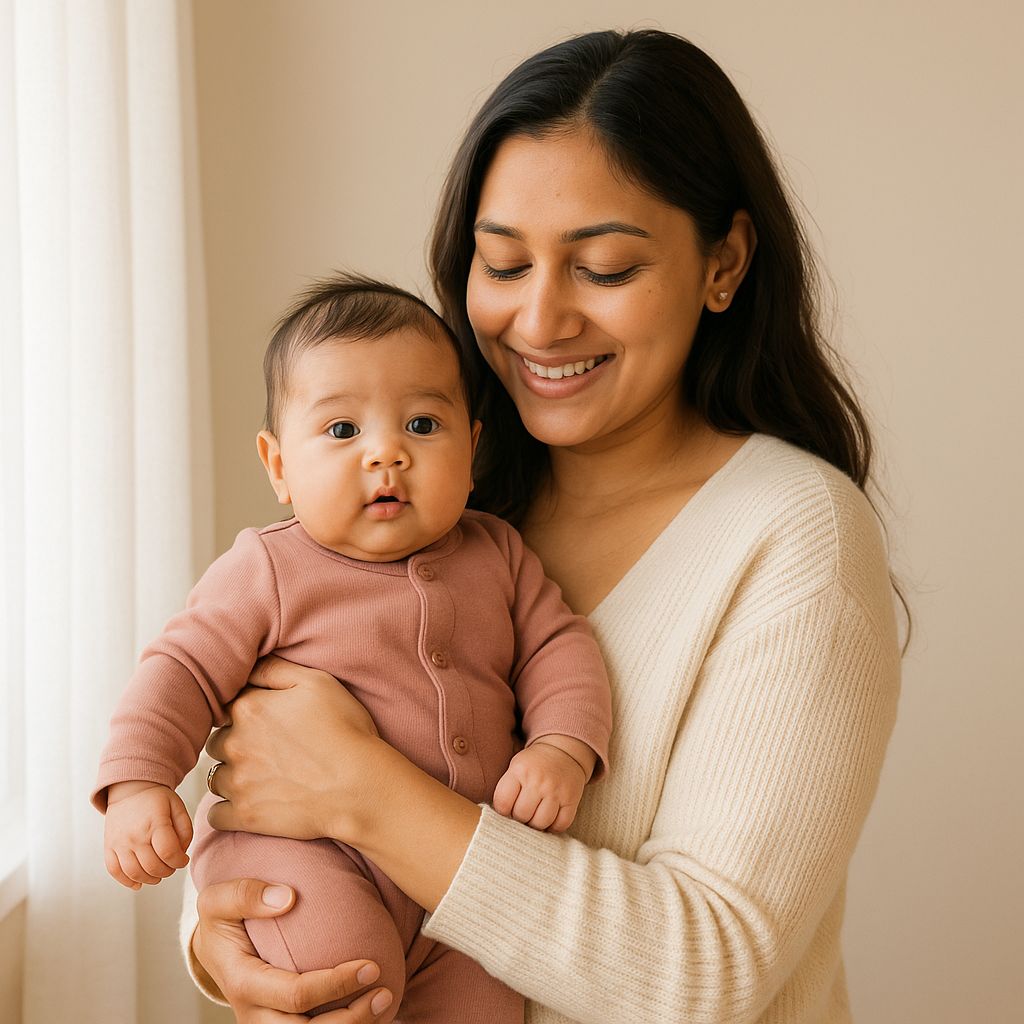
4. Offer Comforting Touch and Cuddles
- Hold your baby gently; skin-to-skin contact can be soothing.
- Rocking, gentle swaying, or lullabies may help relax your baby.
5. Monitor Temperature and Symptoms
- Check your baby’s temperature every 4-6 hours using a reliable thermometer.
- Keep a log of symptoms and fever readings.
6. Use Medication Only If Advised
- For mild fever, medication may not be necessary unless your baby is uncomfortable or pediatrician recommends it.
- Acetaminophen (Tylenol): Safe for babies over 2 months, follow dosing instructions.
- Ibuprofen (Advil): Safe for babies over 6 months, follow dosing instructions.
- Avoid aspirin: Not safe for children or infants.
7. Gentle Sponge Bath
- If your baby feels hot and uncomfortable, a lukewarm sponge bath can help.
- Never use cold water or ice packs.
- Pat dry and dress in light clothing afterwards.
8. Keep Feeding as Usual
- Most babies can continue breast or formula feeding during a mild fever.
- If your baby is less interested, offer smaller, more frequent feeds.
9. Avoid Unproven Remedies
- Do not use herbal remedies or essential oils on infants without medical guidance.
- Stick to evidence-based comfort measures.
Signs to Watch For: When to Seek Help
- Fever in babies younger than 3 months.
- Persistent fever over 102°F (39°C).
- Signs of dehydration: dry mouth, fewer than 6 wet diapers/day, no tears when crying.
- Difficulty breathing, persistent vomiting, seizure, or unusual fussiness.
- Rash, stiffness, or unresponsiveness.
If any of these symptoms occur, contact your pediatrician immediately.
Myths and Facts About Baby Fever
- Myth: Fever always needs to be lowered.
Fact: If your baby is comfortable and fever is mild, it can be left untreated as it helps fight infection. - Myth: Teething causes high fever.
Fact: Teething may cause a slight increase in temperature, but not high fever. Seek medical advice for high fever. - Myth: Cold baths are best.
Fact: Use lukewarm water only; cold baths can cause shivering and discomfort.
Comforting Your Baby: Emotional Support Matters
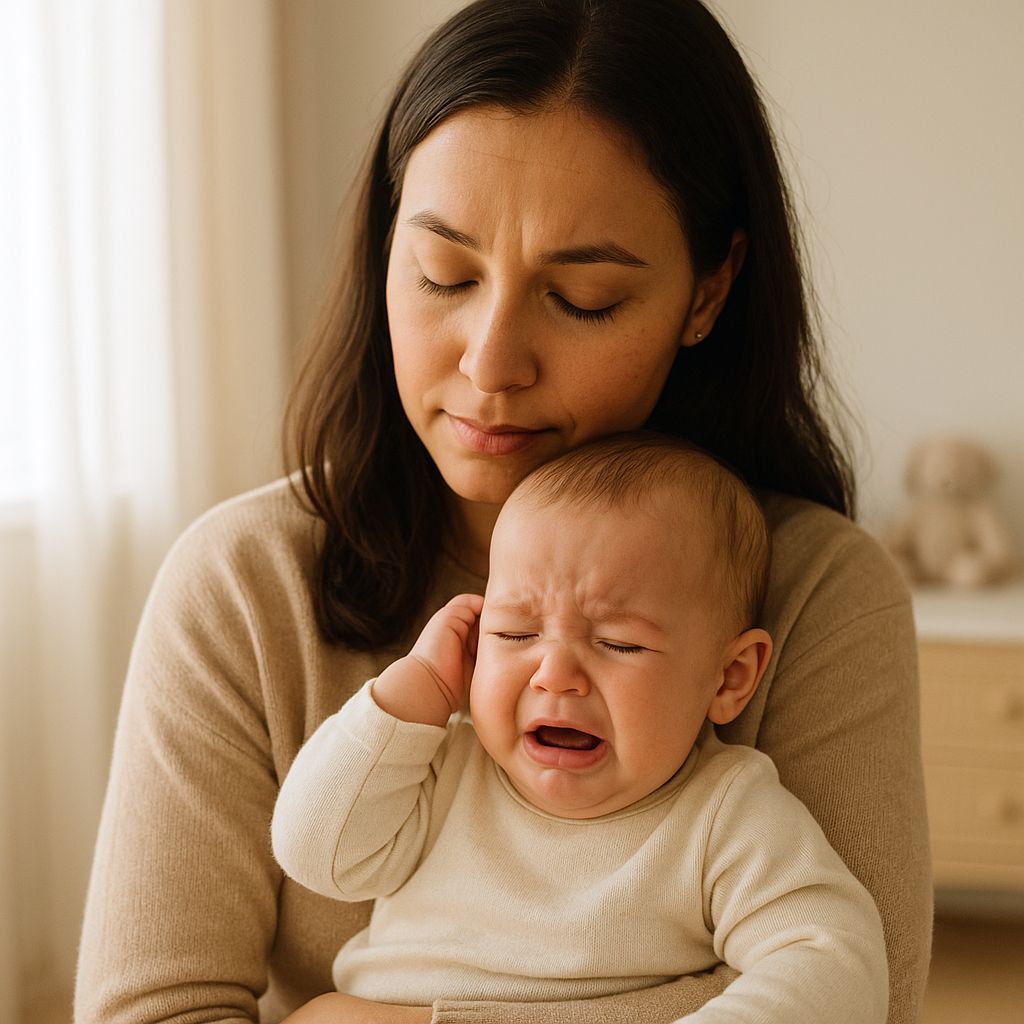
Babies sense parental anxiety. Staying calm, responsive, and offering gentle reassurance goes a long way in making your baby feel safe. Talk softly, offer favorite toys, and maintain normal routines as much as possible.
What Not to Do When Your Baby Has a Mild Fever
- Do not over-bundle your baby or overdress.
- Do not give medications without pediatrician approval.
- Do not use alcohol baths or rubs.
- Do not ignore persistent, worsening, or unusual symptoms.
Preparing Your Home for Fever Care
- Stock up on a reliable digital thermometer.
- Have baby acetaminophen or ibuprofen (as recommended).
- Keep extra diapers, wipes, and clean clothing handy.
- Ensure your baby’s sleeping area is comfortable and safe.
Frequently Asked Questions About Comforting a Baby With Mild Fever
- When should I worry about my baby's fever?
- Seek medical attention if your baby is under 3 months old with a fever, shows signs of distress, dehydration, persistent fever over 102°F (39°C), or has other symptoms like rash, vomiting, or trouble breathing.
- Can I use medication to lower my baby's fever?
- For mild fever, medication isn't always necessary. If your pediatrician recommends, you may use acetaminophen or ibuprofen, following correct dosage and age guidelines. Never give aspirin to babies.
- Are home remedies safe for babies with mild fever?
- Many gentle home remedies, such as offering fluids, maintaining a comfortable temperature, and using light clothing, are safe. Avoid herbal remedies or unapproved treatments.
- How can I keep my baby comfortable during a fever?
- Ensure your baby is hydrated, dressed lightly, rests in a cool environment, and receives plenty of cuddles and comfort. Monitor symptoms and offer breastmilk or formula as needed.
- What causes mild fever in babies?
- Mild fever is usually a sign of the body fighting a minor infection or reacting to vaccinations. It can also result from teething, though this is less common.
Conclusion
Comforting a baby with mild fever at home is about providing gentle care, monitoring symptoms, and knowing when to seek help. Most fevers resolve with supportive measures, hydration, and emotional comfort. By following these expert strategies, you can ensure your baby feels safe, nurtured, and well on the road to recovery.
Always consult your pediatrician with questions or concerns. Your calm presence and attentive care are the most powerful remedies of all.