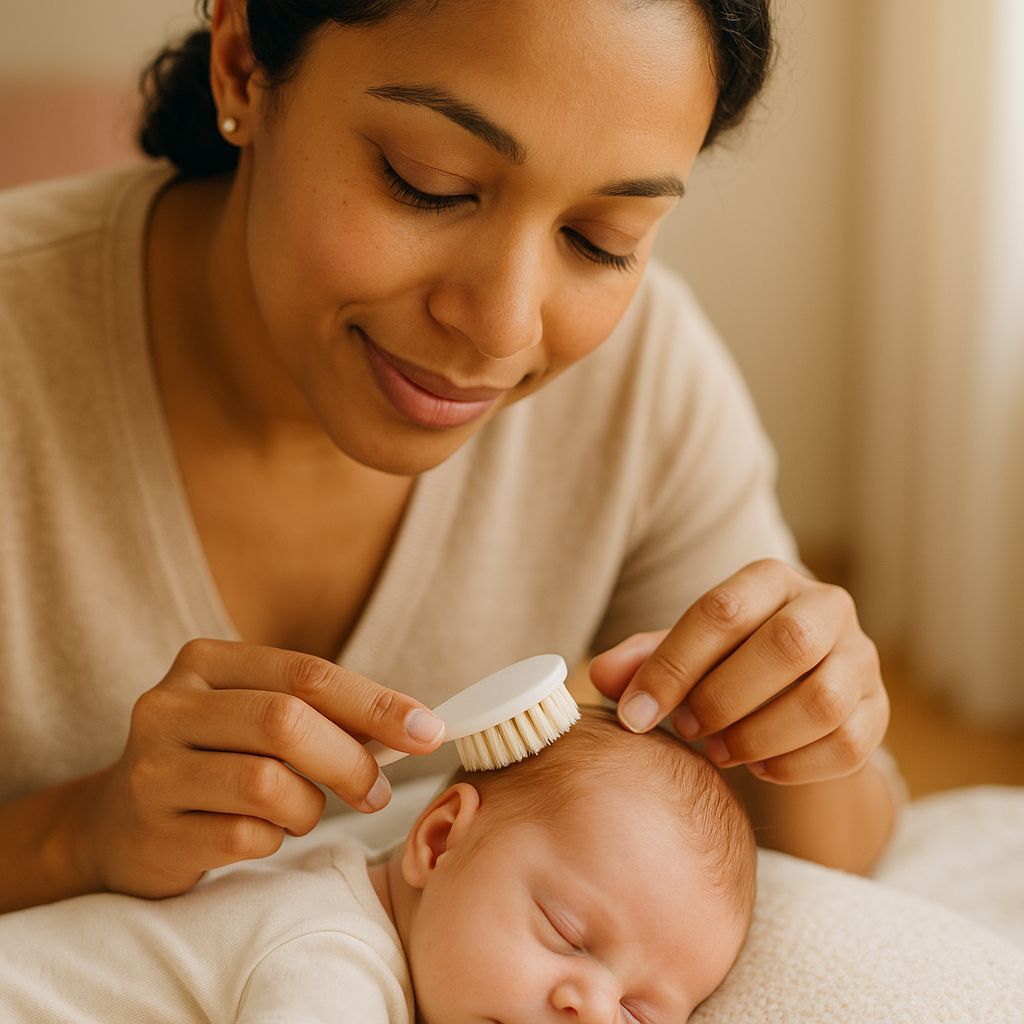

Caring for Newborn Hair and Scalp: A Clinical Cradle Cap Guide
Newborn hair and scalp care is an essential part of early parenting, with particular attention often paid to a common condition known as cradle cap. This clinical guide explores the evidence-based strategies for maintaining healthy infant scalp, preventing complications, and effectively managing cradle cap.
Understanding Newborn Scalp Physiology
The scalp of a newborn is uniquely sensitive, with rapid changes occurring in the first months of life. The skin barrier is still developing, sebaceous glands are active due to maternal hormonal influence, and the scalp is prone to both dryness and excess oiliness. These factors contribute to the prevalence of scalp conditions, notably cradle cap.
Cradle Cap: Clinical Overview
Cradle cap, medically termed infantile seborrheic dermatitis, presents as greasy, yellowish scales and flakes on the scalp. It can also affect the eyebrows, forehead, or behind the ears. Cradle cap typically appears within the first few weeks of life and resolves spontaneously in most cases by six to twelve months.
Etiology and Pathogenesis
- Overactive sebaceous glands stimulated by maternal hormones.
- Colonization by Malassezia yeast, a normal skin inhabitant.
- Lack of mature skin barrier function.
Importantly, cradle cap is not caused by poor hygiene or allergies.
Clinical Signs and Symptoms
- Thick, greasy, or waxy yellow scales
- Flaky patches that may spread to adjacent areas
- Minimal irritation or redness (unless secondary infection occurs)
- Rarely, mild itching
In severe cases, the scales can become extensive, leading to discomfort and, rarely, secondary bacterial infection.
Safe Newborn Hair and Scalp Care Routine
Research and clinical guidelines recommend a gentle, minimalist approach to newborn scalp care:
- Washing Frequency: 1-2 times weekly is sufficient. Over-washing may disrupt the protective skin barrier.
- Shampoo Selection: Choose a mild, fragrance-free baby shampoo, avoiding adult products, medicated shampoos, or those with harsh surfactants.
- Technique: Apply with fingertips, gently massaging the scalp. Avoid vigorous scrubbing, which can exacerbate irritation.
- Drying: Pat the scalp dry; avoid rubbing.
- Moisturizing: If dryness is noted, use a hypoallergenic, fragrance-free emollient. Oils may be used sparingly to loosen scales, but must be rinsed thoroughly.
Evidence-Based Recommendations
Studies published in pediatric dermatology journals emphasize the importance of maintaining the newborn's natural skin flora and barrier function. Harsh products, excessive washing, or aggressive scale removal can disrupt these protective mechanisms.
Managing Cradle Cap: Clinical Strategies
Most cases of cradle cap are self-limited and require only supportive care. The following evidence-based strategies are recommended:
- Gentle Scale Removal: Apply a small amount of mineral oil or baby oil to the affected area, leave for 15-30 minutes, then gently loosen scales with a soft brush or washcloth. Wash with baby shampoo and rinse thoroughly.
- Topical Emollients: For persistent dryness, hypoallergenic emollients may be used. Avoid products containing fragrances or alcohol.
- Medicated Shampoos: Only under pediatrician supervision, shampoos containing antifungal agents (e.g., ketoconazole) or mild corticosteroids may be considered for severe or persistent cases.
- Monitor for Signs of Infection: Watch for redness, swelling, oozing, or pain. These may indicate secondary infection, warranting medical assessment.
Clinical Evidence
A randomized controlled trial (RCT) published in the Journal of Pediatric Dermatology found that daily gentle cleansing and periodic oil application were as effective as medicated shampoos for mild cradle cap, with fewer adverse reactions.
What to Avoid
- Scraping or picking at scales (risk of irritation and infection)
- Use of adult shampoos or harsh detergents
- Frequent washing or excessive product use
- Heavy oils (such as olive oil), which may promote yeast growth
- Home remedies not validated by clinical research
Research Spotlight: Olive Oil and Cradle Cap
Recent studies indicate that olive oil, while popular, may worsen cradle cap by promoting fungal colonization. Mineral oil, baby oil, or specialized emollients are safer alternatives.
When to Consult a Pediatrician
Most cradle cap cases resolve with supportive care, but medical attention is warranted if:
- Scales are extensive or spreading
- Signs of infection (redness, oozing, pain, swelling)
- Failure to improve after several weeks of care
- Associated with eczema or other skin conditions
A pediatrician may recommend clinical treatments or referral to a dermatologist for persistent or atypical cases.
Prevention of Cradle Cap
Evidence suggests that cradle cap is not entirely preventable due to hormonal and genetic factors. However, regular gentle cleansing and avoidance of irritating products may reduce severity and duration.
Clinical Tips for Prevention
- Maintain a regular hair washing schedule (1-2 times weekly)
- Avoid heavy oils and lotions
- Use only mild, fragrance-free shampoos and emollients
- Monitor for early signs and address promptly with gentle care
Newborn Hair Growth and Care
Newborns often experience natural hair loss during the first months, known as telogen effluvium, as hair follicles transition. This is physiologically normal and unrelated to cradle cap or scalp care routines.
Clinical recommendations for newborn hair care:
- Allow hair to air dry; avoid heat styling or tight accessories
- Use a soft brush or comb designed for infants
- Do not use adult hair products
Addressing Common Parental Concerns
Parents frequently worry that cradle cap reflects poor hygiene or underlying health issues. Clinical evidence reassures that cradle cap is benign and self-limited. The key is gentle care, patience, and monitoring for signs of complications.
Myths and Facts
- Myth: Cradle cap is caused by not washing enough.
Fact: It stems from overactive sebaceous glands and skin colonization, not hygiene. - Myth: Cradle cap will cause permanent hair loss.
Fact: Hair regrows normally once the condition resolves. - Myth: Home remedies are always safe.
Fact: Only evidence-based, pediatrician-approved interventions are recommended.
Clinical Case Example
Case Study: A 2-month-old infant presents with thick yellow scales on the scalp. Parents report gentle washing twice weekly and occasional oil application. No signs of infection, irritation, or spreading. After clinical assessment, the pediatrician recommends continued gentle care, avoiding olive oil, and monitoring for improvement. The condition resolves by six months without complications.
This case underscores the importance of supportive, evidence-based care and parental education.
Summary: Evidence-Based Approach to Newborn Hair and Scalp Care
- Cradle cap is common, self-limited, and benign
- Gentle washing, mild shampoo, and sparing oil application are key
- Avoid harsh products and excessive manipulation
- Consult a pediatrician for persistent or severe cases
Further Reading and Resources
- American Academy of Dermatology: Cradle Cap
- CDC: Newborn Hair and Scalp Care
- Clinical Review: Infantile Seborrheic Dermatitis
If you have concerns about your newborn's scalp or hair, consult your pediatrician for individualized, clinical guidance.