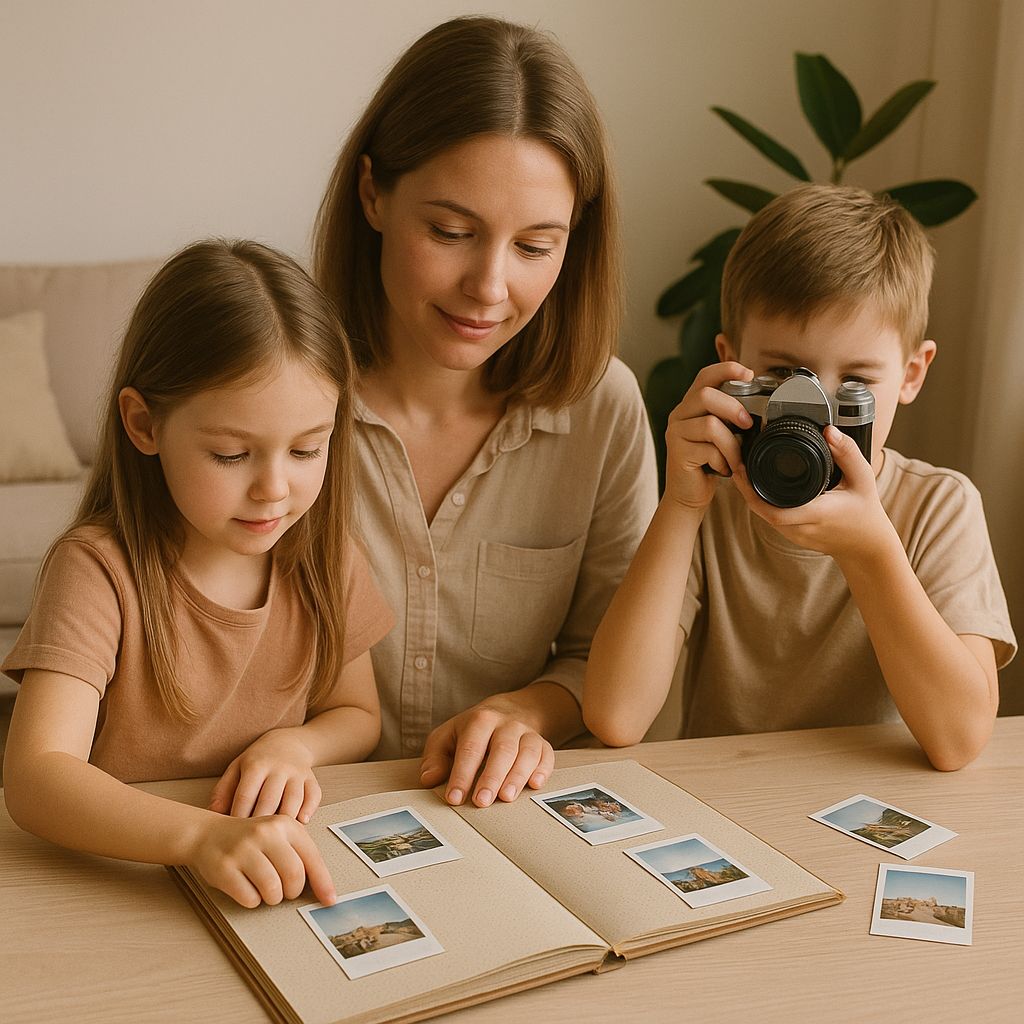

Capturing Travel Memories with Kids: Creative Ways to Preserve Family Adventures
Traveling with children transforms the ordinary into extraordinary. Every trip—whether a weekend getaway, cross-country road trip, or international adventure—is filled with moments that become the foundation of cherished family memories. But amid the excitement, how can parents intentionally capture these fleeting experiences, ensuring that the laughter, discoveries, and milestones are preserved for years to come?
The Importance of Capturing Family Travel Memories
Family travel is more than sightseeing; it's a journey of connection, growth, and discovery. Recording these experiences serves several purposes:
- Strengthening Family Bonds: Shared documentation—photos, journals, crafts—fosters togetherness and allows each member to contribute their perspective.
- Building Emotional Resilience: Revisiting joyful memories helps children navigate challenges and fosters gratitude.
- Cultivating Creativity and Reflection: Encouraging kids to express themselves through journaling, photography, or crafts nurtures self-awareness and creative thinking.
- Creating Tangible Keepsakes: Physical or digital artifacts provide lasting reminders of family adventures and milestones.
Photography: Capturing the Big and Small Moments
Photography is often the first tool families reach for. But with kids, capturing diverse perspectives and authentic moments requires both strategy and flexibility.
Tips for Family Travel Photography
- Let Kids Be the Photographers: Give children their own cameras—disposable, instant-print, or digital—to encourage exploration and creativity. Their unique view often uncovers moments adults overlook.
- Document the Everyday: Besides landmark shots, capture simple routines—breakfasts, playground visits, local interactions. These mundane moments often spark the warmest memories.
- Embrace Imperfection: Some of the most memorable photos are candid, blurry, or unexpected. Allow kids to experiment and celebrate the results.
- Organize Photos Regularly: Dedicate downtime during travel to review, organize, and delete duplicates. This makes post-travel memory preservation easier.
Photo Challenges for Kids
- Find and photograph something red.
- Capture a funny face.
- Shoot a picture of your favorite meal.
- Take a photo of something you’ve never seen before.
These playful prompts engage children, making photography a shared adventure.
Journaling: Recording Thoughts and Feelings
Journaling adds depth to memory keeping, allowing children and parents to reflect, process, and narrate their experiences.
How to Start a Family Travel Journal
- Choose the Format: Traditional notebooks, guided prompts, or digital journaling apps—all are excellent. Select what suits your family’s ages and interests.
- Make It Interactive: Encourage everyone to write, draw, or paste photos and souvenirs. For younger kids, use stickers and stamps to make the process engaging.
- Set a Routine: Dedicate time each evening to journal together, sharing highlights and funny moments.
- Include Sensory Details: Record sights, sounds, smells, and emotions. These enrich the narrative and evoke vivid memories later.
Creative Journaling Ideas
- Ask your child to write a postcard to their future self.
- Draw a map of the day’s adventures.
- Record “Top 3 Moments” from each day.
- Collect ticket stubs, napkins, or leaves to paste in the journal.
Crafts: Hands-On Keepsakes
Crafting transforms souvenirs and simple materials into personalized keepsakes. These projects add tactile dimension to memory preservation, especially for younger children.
Easy Travel Crafts to Try
- Travel Scrapbooks: Assemble photos, drawings, and mementos in a blank book. Kids can decorate pages with stickers, stamps, and captions.
- Memory Jars: Fill a jar with small items—shells, coins, sand, ticket stubs—from each destination. Label jars with dates and locations.
- DIY Postcards: Use cardstock, markers, and photos to create custom postcards. Mail them home during your trip.
- Interactive Maps: Print a map and mark places visited with stickers or drawings.
Incorporating Local Culture
Engage in crafts inspired by local traditions—origami in Japan, sand art in coastal regions, weaving in indigenous communities. These projects deepen cultural appreciation and provide unique souvenirs.
Digital Tools: Modern Memory Keeping
Technology offers innovative ways to organize and share travel memories. Digital tools make it easy to compile photos, videos, and stories for future enjoyment.
Useful Apps and Platforms
- Photo Organization: Google Photos, Apple Photos, and Lightroom simplify sorting, tagging, and sharing images.
- Digital Journals: Apps like Day One, Journey, or Momento allow multimedia journaling, combining photos and text.
- Collaborative Albums: Shared albums on cloud platforms let family members add their perspectives.
- Video Diaries: Use simple editing apps to create short travel videos, narrated by kids.
- Social Sharing: Private family blogs or social media accounts document adventures for friends and relatives.
Creating Digital Photo Books
Post-trip, assemble digital photo books using platforms like Shutterfly, Mixbook, or Snapfish. Involve children in selecting images and writing captions—turning the process into a collaborative project.
Balancing Memory Capturing and Being Present
While documenting is important, it’s crucial not to let technology or the pursuit of perfection overshadow the travel experience itself. Here’s how to maintain balance:
- Set Boundaries: Designate specific times for photos or journaling, then put devices away to focus on each other.
- Encourage Mindful Observation: Ask kids to notice details and share them verbally before recording or photographing.
- Prioritize Experience: Remind your family that the most meaningful memories are often those created by being fully present.
Age-Appropriate Memory Keeping Ideas
Different ages engage with memory capturing in unique ways. Tailor activities to suit your child’s developmental stage:
Young Children (Ages 3-6)
- Sticker and stamp journals
- Disposable or instant-print cameras
- Simple crafts with souvenirs
School-Age Children (Ages 7-12)
- Written travel journals
- Scrapbooking with captions
- Digital photo albums
Teens (Ages 13+)
- Blogging or vlogging
- Advanced photography and video editing
- Collaborative digital albums
Making Memory Keeping a Family Tradition
Establishing rituals around memory capturing enhances its value. Consider:
- Pre-Trip Planning: Discuss how you’ll document the journey and assign roles (photographer, journal keeper, craft leader).
- Post-Trip Sharing: Host a family slideshow or scrapbook night to relive adventures together.
- Annual Review: Revisit past journals, albums, and crafts to celebrate growth and spark future travel inspiration.
Preserving Memories for the Future
Physical artifacts—scrapbooks, jars, crafts—should be stored in accessible places and protected from wear. Digital memories require regular backups and secure cloud storage. Consider creating a dedicated family archive or time capsule, revisited annually or on special occasions.
Expert Advice for Busy Parents
Memory keeping need not be overwhelming:
- Keep It Simple: Focus on a single method—photos, journals, or crafts—if time is limited.
- Involve Kids: Delegate tasks and let children take the lead in their preferred formats.
- Embrace Imperfection: The value lies in authenticity, not aesthetics.
Conclusion: Creating a Legacy of Adventure
Capturing travel memories with kids is an act of love and intention. It turns fleeting moments into lasting stories, strengthens family bonds, and provides children with a tangible sense of their history and growth. Whether through photos, journals, crafts, or digital tools, the process offers endless opportunities for creativity and connection. Start your next adventure equipped with these strategies—and watch your family’s story unfold, one memory at a time.
Frequently Asked Questions
- How can I encourage my kids to participate in capturing travel memories?
- Invite your children to take photos, draw sketches, or write in journals about their favorite moments. Provide age-appropriate tools and make memory capturing a fun, shared activity rather than a chore.
- What are some creative ways to preserve travel memories beyond photos?
- Consider travel journals, scrapbooks, crafts using souvenirs, interactive maps, or digital photo books. These diverse formats allow kids to express their memories in ways that suit their interests and abilities.
- Is it possible to capture memories without disrupting the travel experience?
- Absolutely! The key is to balance documentation with presence. Set aside specific times for capturing memories and encourage spontaneous creativity, but prioritize enjoying the moment together.
- How can technology help organize our travel memories?
- Use apps for photo organization, journaling, and collaborative memory keeping. Consider cloud storage, digital albums, and video editing tools to create lasting, easily accessible records of your travels.
- Are there age-appropriate tools for young children to help capture memories?
- Yes! Disposable cameras, instant-print cameras, simple journals, sticker scrapbooks, and guided activity books are excellent for younger kids. Older children may enjoy digital photography, blogging, or video diaries.