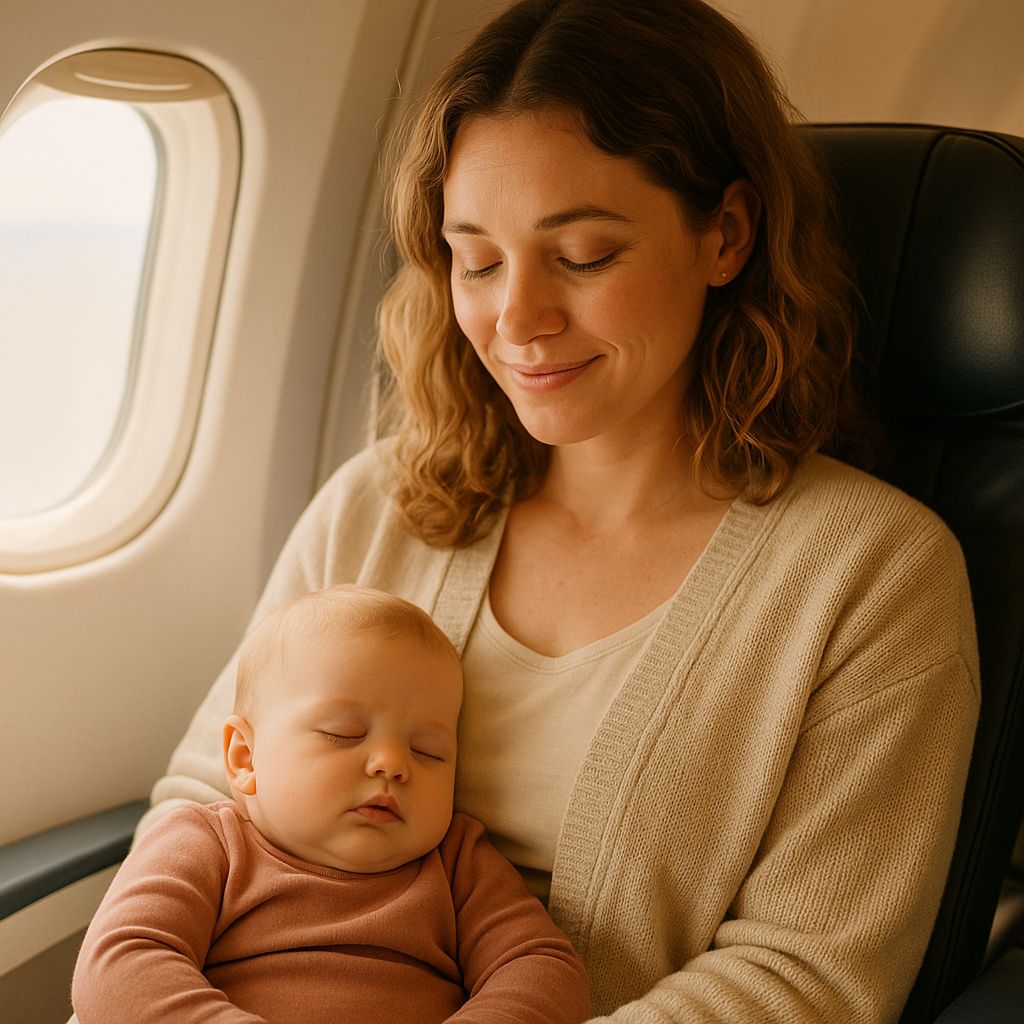

Bus Travel with Babies: What Parents Should Know
For many families, bus travel offers an affordable and accessible way to get from point A to point B. But if you’re a parent contemplating your first bus journey with a baby, you might have a lot of questions (and maybe a few nerves!). The good news? With thoughtful preparation and a flexible attitude, bus travel with your little one can be a manageable—and even enjoyable—adventure. Here’s everything you need to know about traveling by bus with babies, from planning and packing to practical tips for a smoother ride.
Why Consider Bus Travel with Your Baby?
Buses are often more budget-friendly than other forms of transportation, and routes typically connect both urban centers and smaller towns. For parents who don’t drive or want to reduce their carbon footprint, buses are a practical choice. Plus, modern coach buses often feature amenities like Wi-Fi, restrooms, and comfortable seats. Still, traveling with a baby brings unique challenges and questions—which we’ll address below.
Planning Your Journey: Research is Key
Before you book tickets, spend some time researching:
- Bus Company Policies: Does the company allow infants? Are there discounts or free rides for babies? What is their policy on car seats or strollers?
- Seat Reservations: Some companies allow advance seat selection. If possible, book seats towards the front for easier boarding and access to the driver for questions.
- Facilities Onboard: Are there changing tables, restrooms, or space for strollers? If not, plan accordingly.
- Journey Length: For long trips, look for buses with scheduled breaks, or consider splitting your journey to allow for rest and stretching.
What to Pack: The Ultimate Bus Travel Baby Checklist
Packing for a baby can feel overwhelming, but with the right essentials, you’ll be ready for almost anything. Here’s a comprehensive list to guide your preparations:
- Diapers and wipes: Pack more than you think you’ll need, plus a portable changing mat.
- Extra clothes: Accidents happen! Two extra outfits are a good idea.
- Feeding supplies: Bottles, formula, breast milk, snacks, and water as needed. Don’t forget bibs and burp cloths.
- Comfort items: Favorite blanket, pacifier, or soft toy to soothe your baby.
- Entertainment: Small, quiet toys or books for distraction.
- First aid kit: Include any medications, plus baby-safe sanitizer.
- Baby carrier or sling: For hands-free comfort and easy movement in tight spaces.
- Plastic bags: For soiled clothes or diapers.
- Light blanket or nursing cover: For warmth or privacy.
- Car seat: If your bus allows, bringing your own can provide extra safety and comfort.
Before You Board: Tips for a Smooth Start
- Time your journey: If possible, schedule travel during your baby’s nap or sleep time. A drowsy baby may find it easier to rest on the move.
- Arrive early: Give yourself extra time for boarding, stowing your stroller or car seat, and getting settled.
- Dress comfortably: Both you and your baby should wear soft, layered clothing. Buses can be chilly or warm depending on the weather and air conditioning.
- Ask for help: Don’t hesitate to ask the driver or fellow passengers for a hand with bags or boarding.
On the Bus: Making the Journey Easier
Once you’re on board, these strategies can help make the ride go smoothly:
- Keep essentials handy: Store your diaper bag, snacks, and toys within arm’s reach.
- Secure your baby: If you have a car seat, strap it in according to the bus’s guidelines. If not, hold your baby securely in your lap, using your carrier or sling if needed.
- Feed and change proactively: Try to feed your baby and change diapers before the journey begins and during any stops to minimize disruptions en route.
- Be considerate: Apologize if your baby fusses, but don’t stress—most fellow travelers understand. Sometimes a walk up and down the aisle (if safe) can help soothe a restless little one.
- Stay flexible: Things may not go exactly as planned. Stay calm, and remember you’re doing a great job!
Baby Travel Safety on the Bus
The most important consideration is your baby’s safety. Here’s what you need to know:
- Car seats: Some bus companies allow car seats, while others do not. Check in advance and bring your own if permitted.
- Seat belts: Most buses do not have seat belts suitable for infants. If you can’t use a car seat, hold your baby securely at all times.
- Secure belongings: Make sure bags and strollers are stowed safely to avoid tripping hazards.
- Supervise closely: Always keep an eye on your baby, especially during boarding, stops, and disembarking.
Feeding and Changing on the Go
Feeding and changing your baby on a moving bus can be tricky, but these tips will help:
- Feeding: Breastfeeding or bottle-feeding is usually manageable in your seat. Bring a nursing cover for privacy if desired.
- Snacks: For older babies, bring mess-free snacks like rice puffs or fruit slices.
- Changing diapers: Many buses do not have changing tables. A portable changing mat and plenty of wipes are essential. Use restroom stops whenever possible.
- Disposal: Use plastic bags to contain dirty diapers until you can dispose of them properly.
Entertaining Your Baby on the Bus
Boredom can lead to fussiness, so try these ideas to keep your baby occupied:
- Rotate toys: Offer one toy at a time to keep things fresh.
- Sing songs: Gentle singing or quiet games can be soothing and distracting.
- Window watching: Point out interesting sights as you travel. The changing scenery can be fascinating for little ones.
- Interactive books: Soft or board books are great for quiet entertainment.
Handling Common Challenges
- Baby cries or fusses: Stay calm, try feeding, changing, or soothing with a favorite toy. Sometimes a gentle walk up and down the aisle can help.
- Unexpected delays: Always pack extra supplies in case your trip takes longer than expected.
- Sensitive ears: Like on airplanes, changes in altitude or pressure can affect little ears. Sucking on a pacifier or bottle during departure and arrival can help.
Advantages and Disadvantages of Bus Travel with Babies
| Advantages | Disadvantages |
|---|---|
| Budget-friendly tickets | Limited space for changing and moving |
| Access to smaller towns and cities | Fewer amenities than trains or planes |
| Relaxed pace, no security lines | Longer travel times |
| No need to drive yourself | Potential for delays and traffic |
Frequently Asked Questions
- Is it safe to travel by bus with a baby?
- Yes, as long as you prepare ahead, check bus safety policies, and keep your baby supervised and comfortable throughout the journey.
- How do I keep my baby comfortable during a long bus ride?
- Dress your baby in layers, bring familiar items, and stick to their routine as much as possible. Plan for feeding, changing, and soothing throughout the trip.
- What should I pack for a bus trip with my baby?
- Diapers, wipes, extra clothes, feeding supplies, comfort items, toys, a first aid kit, and a baby carrier are essentials for every bus journey.
- Are there age restrictions for babies on buses?
- Most companies allow infants, but check ahead for any specific policies, especially for long-distance or international routes.
Final Thoughts: Go Easy on Yourself!
Bus travel with babies isn’t always smooth sailing, but with thoughtful planning and a flexible mindset, you can make the journey memorable for all the right reasons. Give yourself grace, celebrate the small victories, and remember: every trip with your baby is a learning experience that strengthens your family’s sense of adventure. Happy travels from all of us at Growing Giggles!