
Building Trust and Security in Early Childhood: A Foundation for Lifelong Growth
Trust and security are more than comforting words—they are the pillars upon which a child's emotional well-being and future success are built. In the earliest years of life, children depend on their caregivers not only for food and shelter, but for the sense of safety and predictability that enables them to explore, learn, and connect. This article explores the science, strategies, and profound importance of building trust and security in early childhood, offering expert guidance for parents, educators, and caregivers.
Why Trust and Security Matter in Early Childhood
From birth, children are physiologically and emotionally primed to seek connection. The renowned psychologist Erik Erikson described the first stage of psychosocial development as "trust versus mistrust," highlighting the crucial role caregivers play in shaping a child's worldview.
- Emotional Development: Secure attachments formed in early childhood foster resilience, empathy, and emotional intelligence.
- Confidence and Exploration: A child who feels safe is more likely to explore their environment, try new things, and develop independence.
- Relationship Building: Early trust sets the stage for healthy relationships throughout life, influencing friendships, teamwork, and romantic bonds.
The Science Behind Secure Attachment
Attachment theory, pioneered by John Bowlby and Mary Ainsworth, reveals that children who receive consistent, responsive care develop a "secure attachment." These children demonstrate confidence, social competence, and the ability to manage stress. Conversely, inconsistent or neglectful care can result in "insecure attachment," leading to anxiety, difficulty with relationships, and emotional struggles.
Key features of secure attachment:
- Caregiver responds promptly and appropriately to child's needs.
- Emotional availability and physical comfort are provided.
- Child feels safe to explore and return to caregiver for reassurance.
How Trust Begins: The Role of Caregivers
Building trust starts from the moment a child is born. Each interaction—feeding, soothing, playing—sends a powerful message: "You are valued. Your needs matter." Over time, these repeated experiences form a secure base.
Consistency Is Key
Children thrive on predictable routines. Whether it's regular meal times, bedtime rituals, or familiar faces, consistency helps children anticipate what comes next and feel safe.
Responsiveness and Attunement
Attuned caregivers notice and respond to their child’s cues. When a baby cries, a prompt, comforting response teaches them that their world is reliable. As children grow, listening to their words, validating their feelings, and offering support fosters trust.
Physical and Emotional Safety
Safety extends beyond locking doors and childproofing. It includes emotional safety: a space where a child feels accepted, understood, and free from harsh criticism or unpredictable anger.
Practical Strategies for Building Trust and Security
-
Establish Predictable Routines
- Consistent meal, sleep, and play times reduce anxiety.
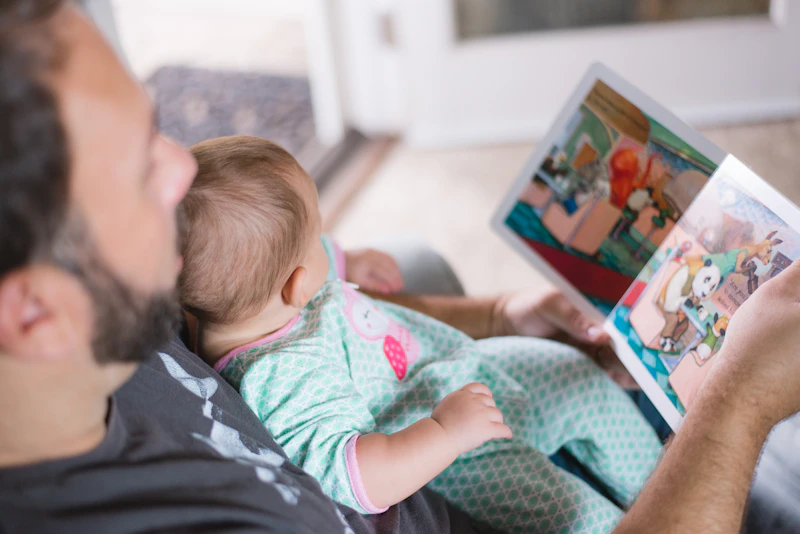
- Rituals (like reading a story before bed) offer comfort and connection.
-
Respond Promptly to Needs
- Quick responses to cries, discomfort, or requests show respect for the child’s feelings.
- Even as children grow, responding to emotional needs (like fear or sadness) reinforces trust.
-
Provide Physical Comfort
- Hugs, cuddles, and gentle touches communicate warmth and safety.
- Physical affection is especially important in stressful moments.
-
Encourage Exploration Within Safe Boundaries
- Allow children to try new things while offering guidance and support.
- Set clear, consistent boundaries to prevent harm without stifling curiosity.
-
Validate Feelings and Foster Communication
- Listen actively and acknowledge emotions (“I see you’re upset. It’s okay to feel that way.”)
- Teach children to name their feelings and express themselves appropriately.
-
Model Trustworthy Behavior
- Keep promises and follow through on commitments.
- Demonstrate honesty, reliability, and respect in your interactions.
-
Create a Safe and Supportive Environment
- Minimize exposure to conflict, chaos, or unpredictable situations.
- Offer reassurance and stability during transitions (moving, new school, family changes).
The Role of Play in Building Trust
Play is more than entertainment—it’s a powerful tool for connection. Shared playtime builds positive memories, strengthens bonds, and gives children a sense of belonging. Through play, caregivers can:
- Follow the child’s lead, showing respect for their choices.
- Encourage cooperation and turn-taking, modeling trustworthiness.
- Use imaginative scenarios to explore feelings, resolve conflicts, and practice empathy.
Recognizing Signs of Insecurity in Children
While every child is different, certain behaviors may signal insecurity or a lack of trust:
- Clinginess or difficulty separating from caregivers
- Excessive fearfulness or anxiety
- Challenges in forming friendships
- Frequent tantrums or trouble regulating emotions
- Trouble sleeping or nightmares
If these signs persist, it’s important to address them early. Support may include:
- Reassessing routines and responsiveness
- Providing additional comfort and reassurance
- Seeking professional guidance (pediatrician, child psychologist)
Repairing Trust When Challenges Arise
No parent or caregiver is perfect. Life’s stresses, misunderstandings, or disruptions may occasionally strain the trust between child and adult. The good news: trust can be rebuilt.
- Apologize and Communicate: Even young children respond well to sincere apologies and explanations.
- Restore Consistency: Resume predictable routines and responsive care.
- Seek Support: If challenges persist, professional help can provide strategies for healing and growth.
The Long-Term Impact of Early Trust and Security
Children who experience trust and security in early childhood go on to:
- Form healthy relationships with peers and adults
- Demonstrate resilience in the face of adversity
- Develop confidence and a positive self-image
- Exhibit empathy and emotional intelligence
- Navigate challenges with adaptability and resourcefulness
These benefits persist throughout life, influencing school performance, career success, and emotional well-being.
Supporting Trust in Diverse Family Structures
Families come in all shapes and sizes, including single-parent homes, blended families, and extended households. The principles of building trust and security apply universally. What matters most:
- Quality of interactions, not quantity
- Consistency in caregiving, regardless of who is providing care
- Open communication and shared routines
Community and Social Support: Extending the Circle of Trust
Children benefit from feeling secure not only at home, but in their wider community. Positive relationships with teachers, neighbors, and peers reinforce trust and offer additional sources of support.
- Choose childcare and educational settings that prioritize emotional safety.
- Encourage friendships and social activities that build confidence.
- Model respectful, trustworthy behavior in public and social contexts.
Conclusion: Nurturing A Secure Foundation for Lifelong Growth
Building trust and security in early childhood is an investment in your child's future. By providing consistent, responsive care, fostering emotional safety, and modeling trustworthy behavior, you lay the groundwork for resilience, confidence, and healthy relationships. The journey may have challenges, but the rewards last a lifetime—shaping not only your child’s happiness, but their ability to thrive in an ever-changing world.
Further Reading and Resources
- Zero to Three: Parenting Resources
- Child Mind Institute: Attachment Issues
- Psychology Today: Attachment Basics
Frequently Asked Questions
- Why is trust important in early childhood?
- Trust forms the foundation for healthy relationships, emotional regulation, and a child’s ability to explore the world confidently. It begins with consistent, nurturing care and grows through positive interactions.
- How can parents build security for their child?
- By providing consistent routines, responding to needs promptly, offering comfort, and creating a safe environment, parents can help children feel secure and valued.
- What are signs of insecurity in young children?
- Signs include clinginess, difficulty separating, excessive fear, trouble sleeping, and challenges forming relationships. Addressing these signs early can prevent long-term emotional issues.
- Can trust be repaired if broken in early childhood?
- Yes. While trust is best built from the start, it can be restored with patience, consistent care, open communication, and professional support if needed.