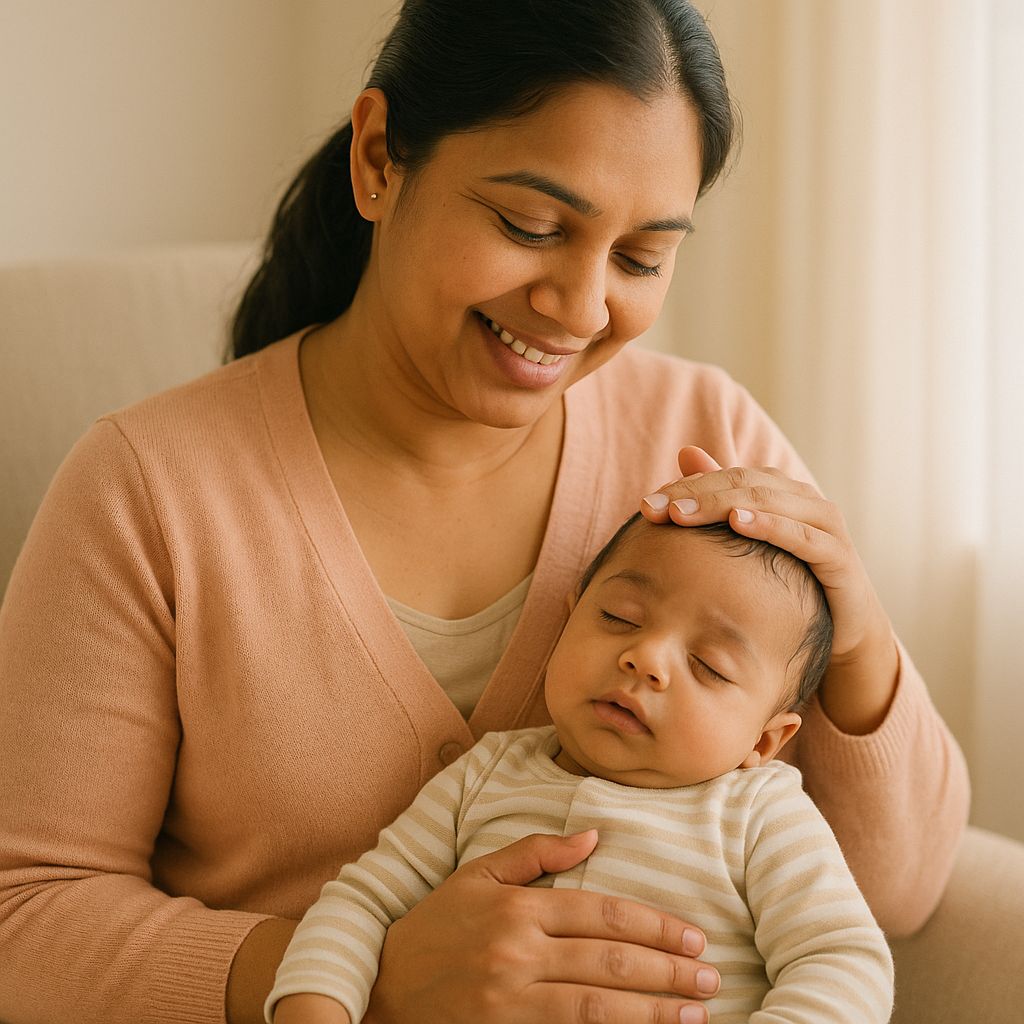
Building a Calm and Positive Environment for Babies: A Parent’s Guide
Welcome to Growing Giggles! If you’re searching for ways to foster a calm and positive environment for your baby, you’re already on the right path. Let’s explore expert-backed, practical strategies for creating a soothing and supportive atmosphere that nurtures your little one’s emotional and physical well-being.
Why a Calm Environment Matters for Babies
Babies are born into a world of new sights, sounds, and sensations. Their brains develop at a rapid pace, and their environment plays a crucial role in shaping their emotional security and overall health. A calm environment helps babies:
- Regulate their emotions and stress levels
- Develop trust and strong bonds with caregivers
- Sleep more soundly and thrive physically
- Build healthy neural pathways for learning and socialization
In short, a positive and soothing space sets the foundation for lifelong well-being.
Elements of a Calm and Positive Baby Environment
Let’s break down the key components that make a home calming for babies and how you can integrate them into everyday life.
1. Soothing Spaces
Babies need a safe and cozy place to rest, play, and explore. Consider these tips for creating soothing spaces:
- Soft Lighting: Use dimmable lamps, natural light, or nightlights instead of harsh overhead lighting. Light impacts sleep cycles and mood—even for little ones.
- Gentle Colors: Soft pastels and neutral shades help create a serene atmosphere. Avoid overstimulating patterns or bright, bold colors in sleeping and relaxing areas.
- Comfortable Textures: Choose plush rugs, soft blankets, and gentle fabrics for bedding. Babies love to explore with their hands and feet!
- Safe and Organized: Keep the space free from clutter and hazards. A tidy area helps both you and your baby feel more at ease.
2. Calming Sounds
Babies are highly sensitive to sound. Here’s how to use auditory cues to your advantage:
- White Noise: Machines or apps that mimic the sound of rain, a gentle fan, or the womb can help soothe babies and block out startling household noises.
- Soft Music: Lullabies and gentle instrumental tunes are excellent for winding down before naps or bedtime.
- Consistent Routines: Singing the same song or playing a favorite melody during certain times of day can signal safety and predictability.
3. Predictable Routines
Babies feel secure when they know what to expect. Predictable routines support emotional regulation and healthy sleep patterns. Try these ideas:
- Set a consistent bedtime and wake time
- Follow a regular order for bath, story, and sleep
- Have a gentle morning greeting or cuddle time to start the day
- Use feeding, diaper changes, and naps as anchors for your daily rhythm
4. Emotional Connection
Above all, your baby’s strongest sense of safety comes from your loving presence. Emotional connection is built through:
- Responsive Care: Attend to cries and cues with warmth and patience.
- Physical Touch: Hugs, gentle rocking, and skin-to-skin contact are powerful soothers for babies.
- Eye Contact and Smiles: Simple gestures like making eye contact, talking, and smiling foster trust and joy.
- Modeling Calmness: Babies pick up on your emotions. Taking deep breaths, speaking softly, and showing patience helps them feel secure.
Expert Tips for a Calm Home Atmosphere
Creating a calm environment doesn’t require a total home makeover. Small, mindful adjustments can make a big difference. Here are some expert-backed tips:
Declutter and Simplify
A clutter-free space reduces stress for both parents and babies. Organize toys and supplies into baskets or bins so everything has its place. Rotate toys to avoid overstimulation and keep things fresh.
Use Nature as Inspiration
Houseplants (out of reach of little hands!), natural wood toys, and views of the outdoors can have a calming effect. If possible, spend time outside together daily—a walk in the stroller or a blanket in the backyard works wonders.
Gentle Sensory Input
Babies learn through their senses, but too much stimulation can be overwhelming. Offer:
- Soft, washable toys with different textures
- Mild, hypoallergenic scents (avoid strong perfumes or cleaners)
- Peaceful, visually simple spaces for rest
Manage Noise Levels
Try to keep household noise to a minimum during naptime and at night. If you have older children or pets, encourage quiet play or use white noise to buffer sudden sounds.
Self-Care for Parents
Your emotional state directly impacts your baby. Prioritize self-care—rest when you can, ask for help, and seek support if feeling overwhelmed. A calm parent helps create a calm home.
Common Challenges and How to Handle Them
No home is perfectly peaceful all the time—life with a baby is unpredictable! Here’s how to handle common disruptions:
Fussy Periods
Even in the calmest environment, babies have fussy days. Try holding your baby, walking in a quiet room, or using a gentle swinging motion. Sometimes, simply being present is enough.
Sibling Dynamics
If you have older children, involve them in routines and teach them about gentle play. Praise calm behavior and model patience.
External Stressors
Big life changes (like moving or a new family member) can unsettle everyone. Stick to familiar routines as much as possible and offer extra comfort during transitions.
Sample Calm Day Routine
Every family’s schedule is unique, but here’s an example of a routine that nurtures calmness:
- 7:00 AM: Gentle wake-up, cuddles, soft music
- 8:00 AM: Feeding and playtime with soft toys
- 9:30 AM: Nap in a dimly-lit, quiet room
- 11:00 AM: Outdoor walk or time by a window
- 12:00 PM: Feeding and storytime
- 1:30 PM: Nap with white noise
- 3:00 PM: Gentle play, singing, or sensory exploration
- 6:00 PM: Bath, massage, and calm lighting
- 7:00 PM: Bedtime routine with lullabies and cuddles
Adjust as needed to fit your baby’s cues and your own family’s needs.
Frequently Asked Questions
- Why is a calm environment important for babies?
- A calm environment helps babies feel secure and safe, which is essential for emotional regulation, brain development, and building trust with caregivers.
- How can I make my home more soothing for my baby?
- Use soft lighting, maintain a gentle noise level, establish routines, and create cozy spaces with safe and comforting objects to make your home more soothing.
- Does my own mood affect my baby?
- Yes! Babies are highly sensitive to caregivers’ emotions. Managing your own stress and modeling calmness helps your baby learn to self-soothe.
- What routines help build a positive environment?
- Consistent routines like bedtime rituals, gentle play, and predictable feeding times contribute to a baby’s sense of security and positivity.
Conclusion: Small Steps, Big Results
Building a calm and positive environment for your baby doesn’t require perfection—just intention, love, and consistency. By focusing on soothing spaces, gentle routines, sensory awareness, and your own emotional well-being, you’re giving your baby the very best start. Remember, your presence is the most powerful calm your baby can experience. Keep it simple, trust your instincts, and enjoy the journey together.
For more tips on baby emotional well-being and parenting for calmness, explore our other resources at Growing Giggles!