
How to Build Strong Parent-Baby Communication: Expert Strategies for Infants
Communication between parents and their babies forms the bedrock of emotional security, social skills, and language development. For infants, the process of learning to communicate starts the moment they are born, and parents play a pivotal role in nurturing this foundation. This comprehensive guide will walk you through expert strategies, scientific insights, and practical tips to build robust parent-baby communication during infancy.
Why Parent-Baby Communication Matters
From birth, babies rely on their parents to interpret their needs and emotions. Responsive and effective communication not only soothes an infant but also shapes their neurological growth, emotional regulation, and future relationships. According to developmental psychologists, early communication builds trust and gives babies a sense of safety, which is essential for healthy attachment and development.
The Science Behind Infant Communication
Infants communicate through a range of cues: crying, facial expressions, body movements, and eye contact. The serve and return interaction—where the baby signals and the parent responds—stimulates brain development and strengthens neural connections. The Center on the Developing Child at Harvard University highlights that these interactions influence cognitive, language, and social-emotional skills.
Understanding Infant Cues
Before babies can speak, they use nonverbal signals to communicate their needs. Recognizing and responding to these cues is the first step in building strong communication.
- Crying: Different cries signal hunger, discomfort, tiredness, or a need for attention.
- Facial Expressions: Smiles, frowns, and wide eyes can indicate pleasure, curiosity, or distress.
- Body Movements: Kicking, stretching, or arching the back may signal excitement, discomfort, or a need to change position.
- Eye Contact: Babies often use their gaze to connect or disengage, signaling readiness for interaction or overstimulation.
Expert Strategies for Building Parent-Baby Communication
Below are evidence-based strategies to help you foster effective communication with your infant.
1. Make Eye Contact
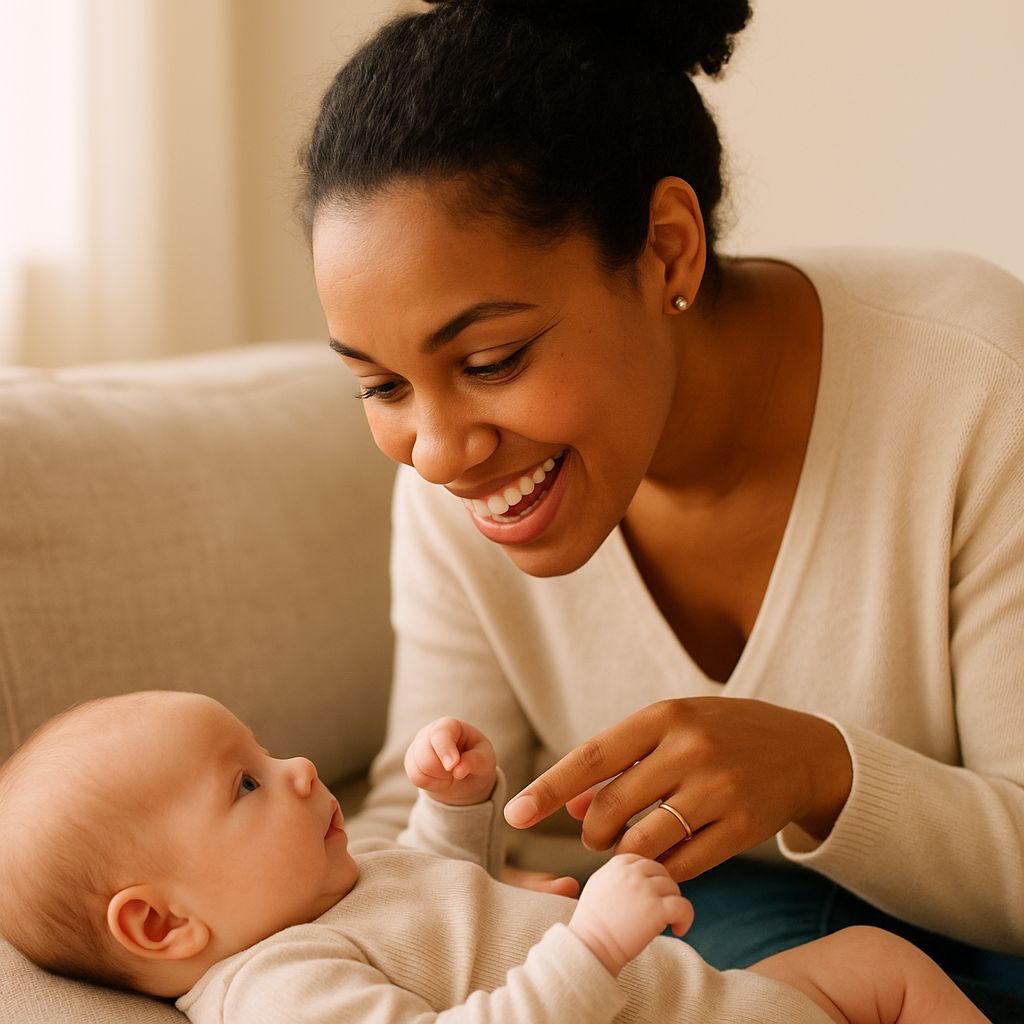
Eye contact is a powerful way to connect with your baby. When you hold your baby and look into their eyes, you create a sense of intimacy and trust. Babies are naturally drawn to faces, and maintaining eye contact encourages them to engage and respond.
2. Use Gentle Touch
Touch is a fundamental form of communication for infants. Skin-to-skin contact, cuddling, and gentle stroking can reassure your baby, signal affection, and help regulate their emotions. Research shows that touch stimulates oxytocin production, reinforcing the bond between parent and child.
3. Talk, Sing, and Narrate
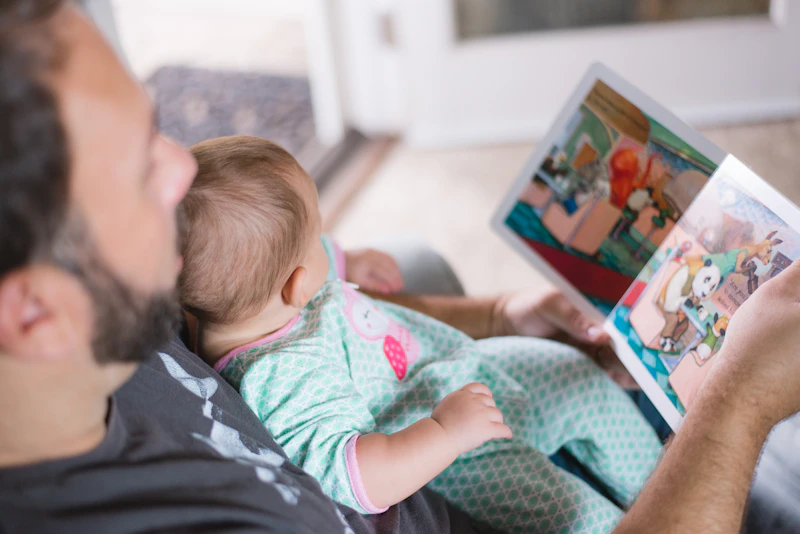
Talking to your baby—even before they can respond verbally—helps them recognize language patterns and the tone of your voice. Narrate your actions, sing lullabies, and read aloud to expose your infant to rich language. Babies thrive on rhythm and melody, so singing is particularly soothing and beneficial.
4. Respond Promptly and Consistently
Responsive parenting is key. When your baby signals a need, respond promptly and consistently. This teaches your baby that their communication is meaningful, fostering trust and security. Consistent responsiveness is linked to better emotional regulation and fewer behavioral challenges later in childhood.
5. Mirror and Imitate Your Baby’s Sounds
When your baby coos or babbles, imitate their sounds. This encourages turn-taking and lets your baby know their communication is valued. Over time, this back-and-forth exchange forms the basis for conversational skills.
6. Pay Attention to Timing and Environment
Choose calm, distraction-free moments for focused interaction. Avoid overstimulation by watching for cues that your baby needs a break, such as looking away, fussing, or arching their back. Respecting your baby’s mood and timing helps create positive communication experiences.
7. Use Gestures and Expressions
Babies are experts at reading facial expressions. Exaggerate your gestures and expressions when communicating. Smile, frown, and use expressive eyebrows to help your baby understand emotions and intent.
8. Create Routine Communication Moments
Incorporate communication into daily routines. Diaper changes, feeding, bath time, and playtime are opportunities to connect. Consistent routines help babies anticipate and understand interactions.
Practical Activities to Foster Parent-Baby Communication
- Peekaboo: Encourages eye contact, turn-taking, and understanding of cause and effect.
- Baby Massage: Deepens emotional connection and supports sensory development.
- Reading Picture Books: Introduces language, rhythm, and visual stimulation.
- Singing Songs: Enhances auditory skills and creates soothing rituals.
- Talking During Care Routines: Narrate diaper changes, feeding, and dressing to build language exposure.
Common Challenges and Solutions in Parent-Baby Communication
Every parent faces obstacles when learning to communicate with their infant. Here are some common challenges and expert solutions:
- Difficulty Interpreting Cues: Solution: Observe your baby’s patterns over time. Keep a journal to track their cues and your responses. Ask your pediatrician for guidance if needed.
- Overstimulation: Solution: Limit distractions during communication. Use soft lighting and gentle voices. Watch for signs that your baby needs a break.
- Fatigue: Solution: It’s normal to feel tired, especially in the early months. Focus on quality over quantity; even short, meaningful interactions matter.
- Premature Birth or Medical Challenges: Solution: Consult your healthcare provider for tailored strategies. Premature infants may need extra sensitivity and slower-paced interactions.
The Role of Fathers and Other Caregivers
Building strong communication is not limited to mothers. Fathers and other caregivers play an equally important role. Encourage all caregivers to participate in eye contact, touch, talking, and play. Diverse interactions enrich your baby’s social and language development.
How Communication Shapes Emotional and Language Development
Early communication is directly linked to emotional intelligence and language acquisition. According to the American Academy of Pediatrics:
- Babies exposed to more words and positive interactions develop stronger vocabularies.
- Responsive communication fosters secure attachment, reducing stress and improving social skills.
- Early exposure to language and emotional cues lays the groundwork for empathy and resilience.
When to Seek Additional Support
If you notice persistent challenges—such as lack of eye contact, limited responsiveness, or delayed milestones—consult your pediatrician or a child development specialist. Early intervention can address communication delays and support your child’s growth.
Conclusion: Building a Lasting Bond Through Communication
Strong parent-baby communication is a lifelong gift. By understanding your infant’s cues, responding consistently, and engaging in positive interactions, you lay the foundation for emotional security, language development, and a trusting relationship. The journey begins in infancy, but the skills you build will support your child’s growth for years to come.