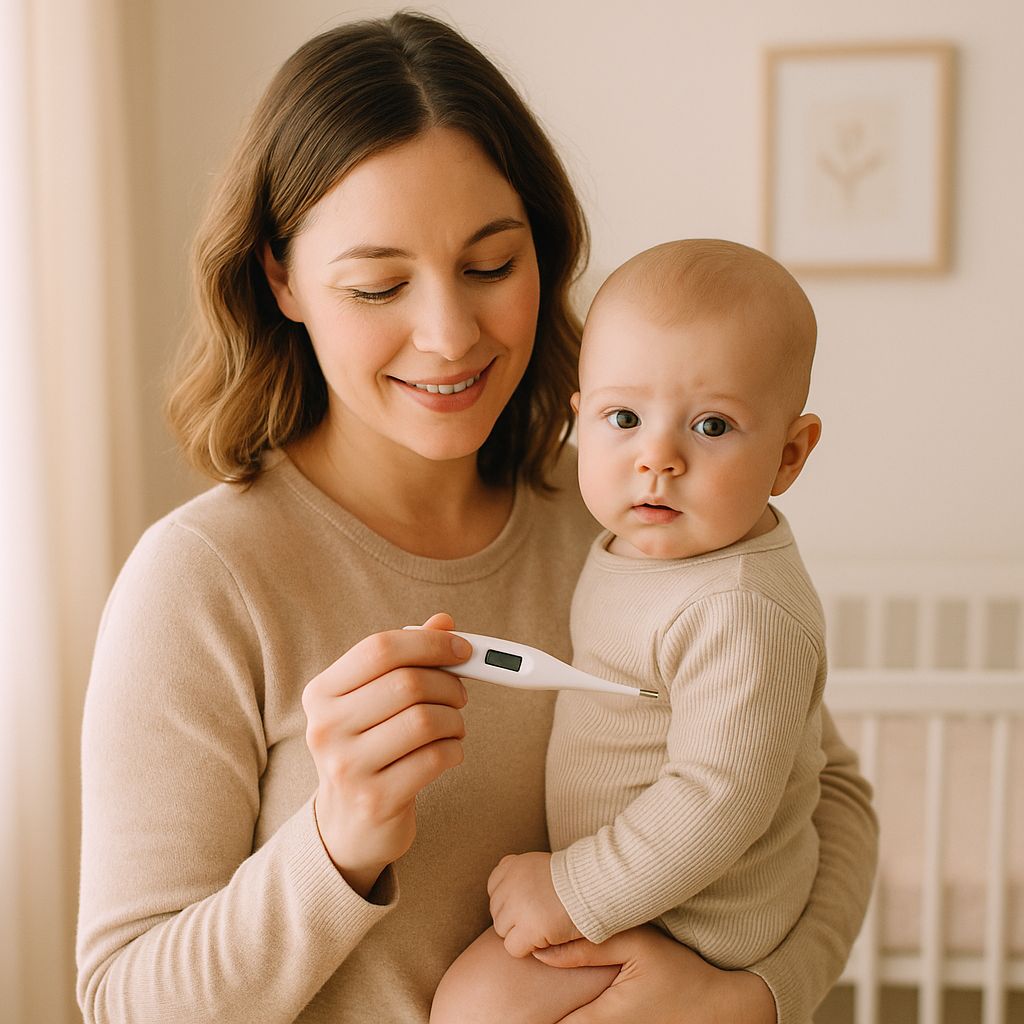

Best Thermometers for Babies: A Parent’s Guide to Accurate and Safe Temperature Checks
When your baby feels warm or fussy, the first thing most parents reach for is a thermometer. Taking your child’s temperature accurately is essential for understanding whether mild discomfort is just a passing phase or a sign of something more serious. With so many options on the market, choosing the best thermometers for babies can feel overwhelming. This guide is designed to help you navigate the choices, understand what features matter, and pick a thermometer that brings peace of mind.
Why Is Choosing the Right Baby Thermometer Important?
A fever can be one of the earliest signs of illness in infants. Babies, especially those under three months, are vulnerable to infections that can escalate quickly. Fast, accurate temperature readings allow parents and caregivers to make timely decisions about when to monitor, medicate, or seek medical help. Using the wrong thermometer or improper technique can lead to false readings, unnecessary worry, or missed warning signs.
Types of Thermometers for Babies
There are several types of thermometers suitable for babies, each with its advantages and limitations. Here’s a breakdown of the most commonly recommended devices:
1. Digital Rectal Thermometers
- Accuracy: Highest accuracy for babies under 3 months
- Use: Insert gently into the rectum (about half an inch) for a quick reading
- Recommended for: Newborns and infants up to 3 years old
Digital rectal thermometers are widely considered the gold standard for infants. They are affordable, easy to use, and provide fast, reliable readings. Always reserve one thermometer for rectal use only to avoid cross-contamination.
2. Digital Oral/Axillary Thermometers
- Accuracy: Good, but less reliable than rectal readings for infants
- Use: Placed under the tongue or in the armpit
- Recommended for: Older babies and children (axillary use for infants)
Oral readings are not recommended for babies under 4 years, as they may not hold the thermometer correctly. Axillary (armpit) readings are noninvasive but can be less precise; always add 0.5°F to axillary readings for accuracy.
3. Ear (Tympanic) Thermometers
- Accuracy: Good when used correctly; less reliable for babies under 6 months
- Use: Measures infrared heat from the eardrum
- Recommended for: Babies over 6 months, toddlers, and older children
Ear thermometers are quick and comfortable for older infants and children, but the small ear canals of newborns can make readings inaccurate. Ensure the probe is positioned correctly for best results.
4. Forehead (Temporal Artery) Thermometers
- Accuracy: Noninvasive and convenient, but can be affected by sweat or movement
- Use: Scans the surface of the forehead for arterial heat
- Recommended for: All ages, but confirm fever in infants with a rectal reading
Forehead thermometers are popular for their speed and ease of use, especially when babies are sleeping. However, they should not be the only method for newborns if accurate fever detection is critical.
Top 7 Best Thermometers for Babies in 2024
After careful research, product testing, and reviewing pediatric guidelines, we’ve rounded up the top baby thermometers parents should consider:
-
iProven DTR-1221A Digital Rectal Thermometer
Best for: Newborns and infants
- Flexible tip for comfort and safety
- Waterproof and easy to clean
- Fast 10-second readings
-
FridaBaby Quick-Read Rectal Thermometer
Best for: Safe rectal measurements
- Short, bulbous tip prevents over-insertion
- Memory recall function
- Large, backlit display
-
Vicks Baby Rectal Thermometer
Best Value: Reliable and budget-friendly
- Ergonomic design for easy handling
- Water-resistant for quick cleaning
- Beeps when reading is complete
-
Braun ThermoScan 7 Ear Thermometer
Best for: Babies over 6 months and families
- Age precision technology adjusts fever guidance
- Pre-warmed tip for accurate readings
- Memory stores last 9 readings
-
Exergen Temporal Artery Forehead Thermometer
Best for: Quick, noninvasive checks
- Gentle scan across forehead
- Reads in seconds
- Backlit display for nighttime use
-
Withings Thermo Smart Temporal Thermometer
Best for: Tech-savvy parents
- Connects to app for fever tracking
- Color-coded fever indicators
- Can track multiple family members
-
Safety 1st 3-in-1 Nursery Thermometer
Best for: Multi-use (rectal, oral, underarm)
- Flexible tip and easy-to-read display
- Protective case included
- Affordable, versatile option
How to Take Your Baby’s Temperature Safely
Regardless of the thermometer you choose, technique matters. Here are expert tips to ensure safe and accurate readings:
- Read the instructions: Always follow the manufacturer’s guidelines for use and cleaning.
- Rectal: Use a lubricant (like petroleum jelly), insert gently (1/2 inch), and never force the thermometer.
- Ear: Make sure your baby’s ear canal is clear of wax. Pull ear gently back and up before inserting.
- Forehead: Scan the thermometer slowly across the center of the forehead.
- Armpit: Place tip in the center of a dry armpit, hold arm snugly against body until reading is complete.
When to Call the Doctor
Fever thresholds in infants are critical. Contact your pediatrician immediately if:
- Your baby under 3 months old has a rectal temperature of 100.4°F (38°C) or higher
- Your baby is lethargic, irritable, or feeding poorly
- Fever persists more than 24 hours in infants under 2 years
When in doubt, trust your instincts and err on the side of caution.
Thermometer Safety and Hygiene
- Designate a thermometer for rectal use only
- Sterilize after each use—soap and water or rubbing alcohol for digital thermometers
- Store in a clean, dry case away from direct sunlight
- Replace batteries as needed and check for signs of wear
Additional Features to Consider
When shopping for the best thermometer for your baby, consider these useful features:
- Flexible, short tips for infant comfort and safety
- Backlit displays for nighttime readings
- Memory recall for tracking fever trends
- Waterproof design for easy cleaning
- App connectivity for digital record-keeping
Conclusion: The Right Thermometer Empowers Parents
Whether you’re caring for a newborn or an active toddler, having a reliable thermometer in your baby care kit is non-negotiable. While rectal digital thermometers remain the most accurate for infants, ear and forehead thermometers offer speed and convenience as your child grows. Always prioritize safety, hygiene, and read the manufacturer’s instructions for every use. The best thermometer is the one you feel comfortable using in a stressful moment—helping you make informed decisions for your little one’s health.
References
- American Academy of Pediatrics. "How to Take Your Child's Temperature." HealthyChildren.org.
- Centers for Disease Control and Prevention. "Fever in Children." CDC.gov.
- Mayo Clinic. "Thermometers: Understand the options." MayoClinic.org.