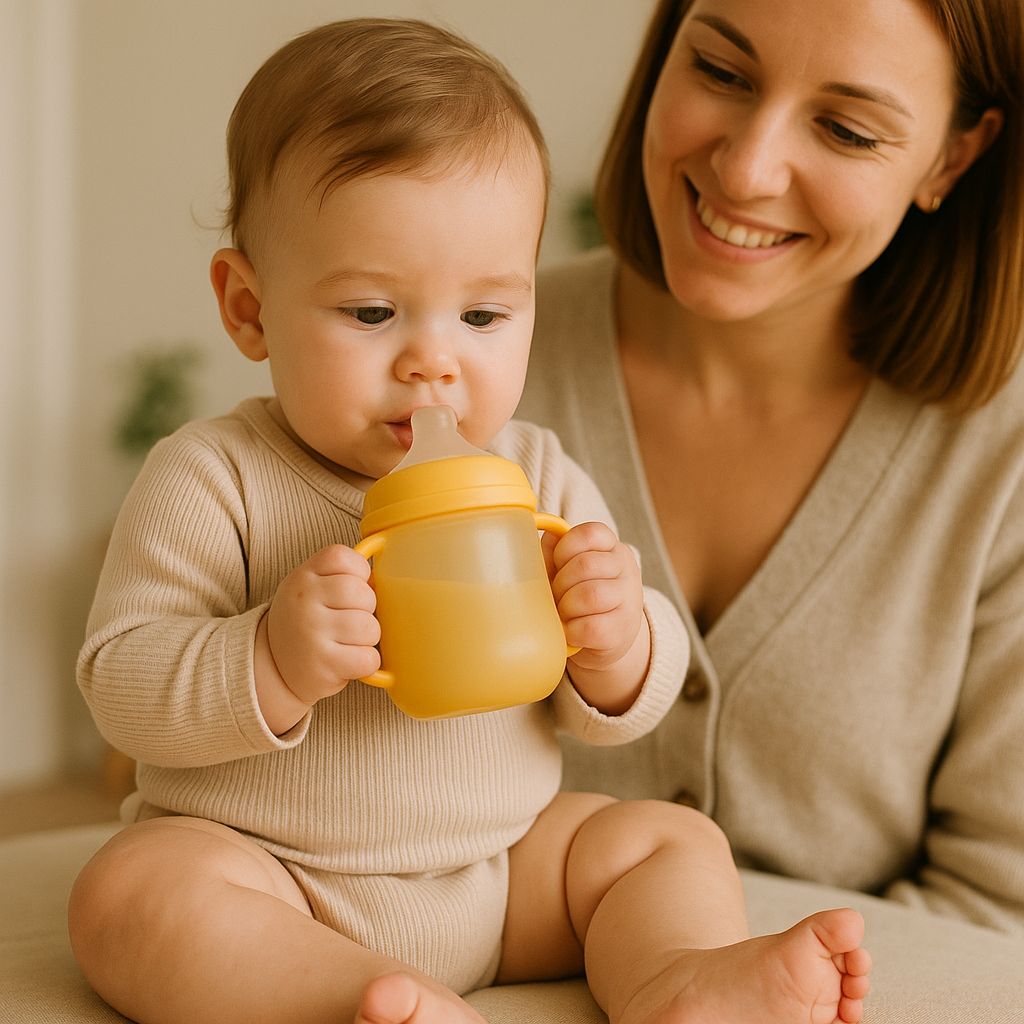

Best Sippy Cups for Babies (6+ Months): A Parent’s Ultimate Guide
Transitioning from bottles or breastfeeding to a sippy cup is a significant developmental milestone for babies around 6 months old. Choosing the right sippy cup not only supports your child’s growing independence but also encourages healthy oral motor skills. With hundreds of options on the market, it’s easy to feel overwhelmed. This comprehensive guide will help you navigate the choices and select the best sippy cups for babies 6 months and older.
Why Use Sippy Cups for Babies?
Sippy cups are designed to bridge the gap between bottles and open cups. They enable babies to practice drinking skills without the mess, and they help develop the muscles needed for speech and eating. Introducing a sippy cup around 6 months can also reduce the risk of prolonged bottle use, which is linked to dental issues and delayed oral development.
Types of Sippy Cups
Understanding the different types of sippy cups will help you select the best option for your baby’s needs:
- Soft Spout Cups: Gentle on gums and resemble bottle nipples, making them ideal for beginners.
- Hard Spout Cups: More durable, better for babies with teeth, and less likely to be chewed through.
- Straw Cups: Encourage sipping skills and oral muscle development. Great for babies as young as 6 months.
- 360° Rimless Cups: Allow drinking from any side of the rim, mimicking open-cup drinking to promote advanced skills.
Key Features to Consider
When shopping for the best sippy cups for babies, keep the following factors in mind:
- Material: Opt for BPA-free, phthalate-free plastics or silicone. Stainless steel and glass options are also available for parents seeking non-toxic choices.
- Ease of Cleaning: Look for cups with minimal, dishwasher-safe parts, as sippy cups can harbor mold and bacteria if not cleaned thoroughly.
- Leak-Proof Design: Spill-resistant valves are lifesavers, especially on the go.
- Easy Grip: Handles or contoured shapes help small hands hold the cup independently.
- Developmental Suitability: Match the cup type to your baby’s age and oral skills; for instance, soft spouts for beginners, straws for advanced sippers.
Top 7 Best Sippy Cups for Babies (6+ Months)
After thorough research and input from pediatricians, occupational therapists, and real parents, we present the top picks for sippy cups suitable for babies 6 months and older:
1. Munchkin Miracle 360 Trainer Cup
- Best for: Open-cup skill development
- Capacity: 7 oz
- Features: 360-degree rim, spill-proof, easy-grip handles, BPA-free, top-rack dishwasher safe.
- Why Parents Love It: Encourages natural sipping and is recommended by dentists for supporting oral health.
2. NUK Learner Cup
- Best for: Bottle-to-cup transition
- Capacity: 5 oz
- Features: Soft silicone spout, anti-slip handles, leak-proof air vent, BPA-free.
- Why Parents Love It: Soft spout soothes teething babies and helps prevent spills.
3. Dr. Brown’s Options+ Soft Spout Transition Cup
- Best for: Babies with sensitive gums
- Capacity: 6 oz
- Features: Spill-proof, one-piece valve, easy to assemble and clean, BPA-free.
- Why Parents Love It: Gentle spout and simple design make it a favorite for both parents and babies.
4. Philips Avent My Bendy Straw Cup
- Best for: Straw training
- Capacity: 7 oz
- Features: Flexible weighted straw, leak-proof, easy to hold, BPA-free.
- Why Parents Love It: Supports oral development and is recommended by dental professionals.
5. The First Years Take & Toss Spill-Proof Cups
- Best for: Budget-friendly, travel, and daycare use
- Capacity: 7 oz
- Features: Reusable yet affordable, simple design, BPA-free, dishwasher safe.
- Why Parents Love It: Durable, easy to replace, and perfect for outings.
6. OXO Tot Transitions Straw Cup
- Best for: Leak-proof straw option
- Capacity: 6 oz
- Features: Hinged cap, clear measurement markings, removable handles, BPA-free.
- Why Parents Love It: Easy for little hands and effective against spills.
7. Green Sprouts Glass Sip & Straw Cup
- Best for: Non-toxic and eco-friendly families
- Capacity: 4 oz
- Features: Glass interior, silicone spout and straw, plastic outer shell, easy-grip handles.
- Why Parents Love It: Free from all plastics touching the liquid, yet protected from breaks.
How to Choose the Right Sippy Cup for Your Baby
Every child is unique, and what works for one may not suit another. Here are expert tips to help you decide:
- Assess Your Baby’s Skills: Can they hold a cup? Are they teething? Start with soft spouts and move to straws or 360 cups as their skills develop.
- Prioritize Safety: Ensure all materials are BPA-free, phthalate-free, and free from harmful chemicals. Check for small parts that could pose a choking hazard.
- Easy to Clean: Mold can lurk in hard-to-reach places. Choose cups with few parts and wide openings.
- Test for Leaks: Not all “leak-proof” claims hold up. Read reviews and test at home before packing in your diaper bag.
- Let Your Baby Try Different Styles: Some babies prefer straws, others like spouts. Offer variety to see what works best.
Transitioning from Bottle to Sippy Cup: Pro Tips
The switch from bottles to sippy cups can be smooth with the right approach:
- Introduce the sippy cup during mealtimes, filled with a familiar liquid such as breast milk or formula.
- Demonstrate how to use the cup and encourage your baby to experiment.
- Be patient; some babies need time to adjust.
- Gradually replace one bottle feeding per day with a sippy cup session until your baby is comfortable.
- Avoid letting your baby walk around with a sippy cup to prevent accidents and tooth decay.
Common Mistakes and How to Avoid Them
- Waiting Too Long: Prolonged bottle use can hinder proper oral development. Start the transition around 6 months.
- Relying Only on Sippy Cups: Introduce open cups early to help with speech and eating skills.
- Neglecting Cleaning: Disassemble and wash all parts daily to prevent mold growth.
FAQs About Sippy Cups for Babies
- When should I introduce a sippy cup to my baby?
- Experts recommend introducing sippy cups around 6 months, when babies start solid foods and show readiness for independent drinking.
- Are straw or spout sippy cups better?
- Both have benefits. Straw cups support oral muscle development, while spout cups are easier for beginners. Many experts recommend offering both to encourage skill-building.
- How do I clean sippy cups effectively?
- Disassemble all parts after each use, wash with hot soapy water, and use a brush for hard-to-reach areas. Many sippy cups are top-rack dishwasher safe.
- Are there sippy cups that prevent spills?
- Yes, many sippy cups are designed to be leak-proof or spill-resistant. Look for models with silicone valves or well-sealed lids.
Conclusion
Finding the best sippy cup for your baby is an investment in their health, independence, and your peace of mind. Whether you prioritize leak-proof performance, oral development, or non-toxic materials, there’s a sippy cup to meet your family’s needs. By considering your baby’s skills, the cup’s features, and expert recommendations, you’ll set the stage for a successful transition from bottle to cup. Remember: patience and persistence are key. Happy sipping!