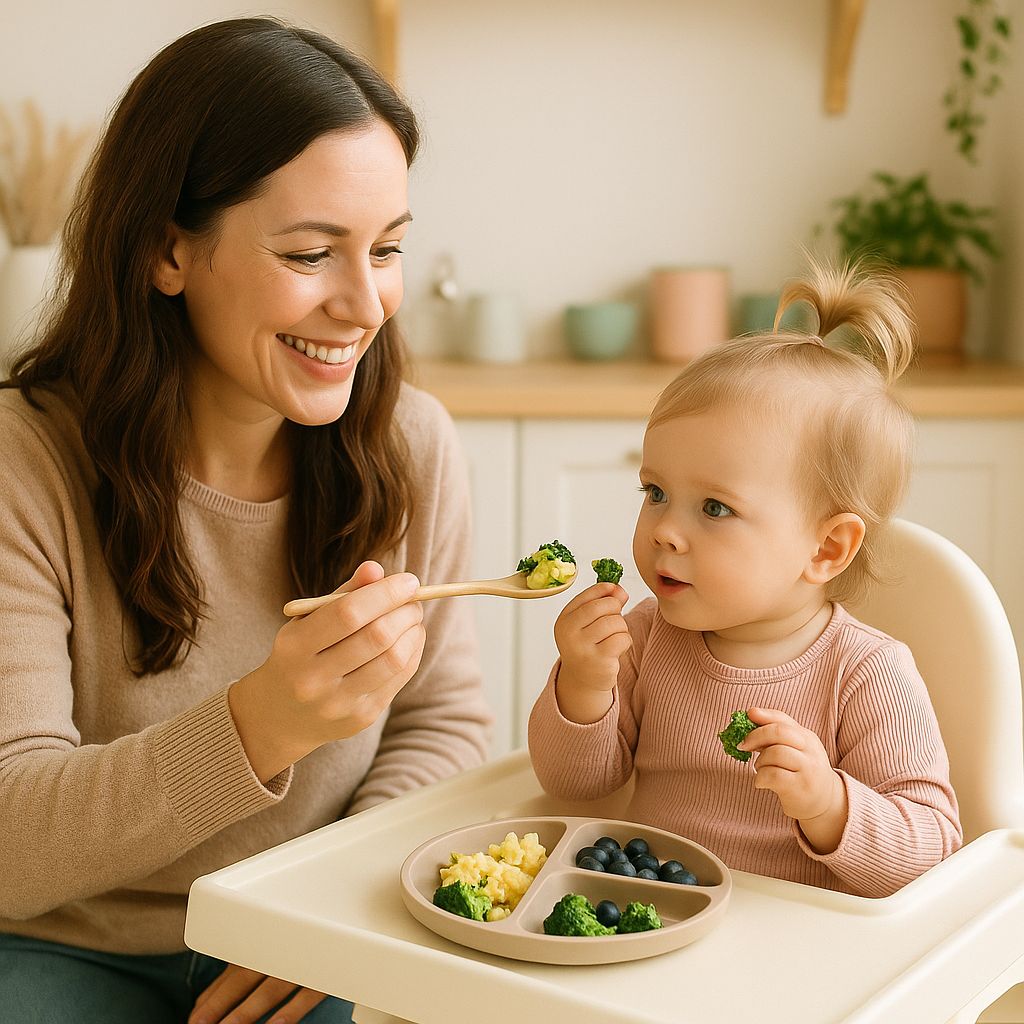

Best Foods for Brain Development in Toddlers: A Parent’s Guide
As parents, we want the very best for our little ones—especially when it comes to supporting their learning, growth, and happiness. One of the most powerful ways to nurture your toddler’s developing brain is through the foods you serve at mealtime. But what exactly should you put on their plate? This guide dives deep into the science-backed foods that fuel brain development, offers practical mealtime tips, and shares delicious recipes your child will love.
Why Toddler Nutrition Matters for Brain Growth
The first few years of life are a whirlwind of growth and discovery. During this crucial stage, your toddler’s brain is growing rapidly—forming neural pathways that shape learning, memory, and emotional skills. Nutrition is the fuel that powers this process. Choosing the right foods can:
- Boost cognitive abilities
- Improve memory and concentration
- Support emotional regulation
- Lay the foundation for lifelong health
Key Nutrients for Brain Development
Let’s explore the nutrients that are most important for your toddler’s brain:
- Omega-3 Fatty Acids (DHA/EPA): Essential for building brain cells and maintaining cognitive function.
- Iron: Needed for oxygen transport in the brain; iron deficiency can impact learning and behavior.
- Choline: Vital for memory and learning; found in eggs and some meats.
- Antioxidants: Protect brain cells from damage; found in fruits and veggies.
- Protein: Supports overall growth and the production of neurotransmitters.
- B Vitamins: Aid in energy production and development of the nervous system.
Top Foods for Toddler Brain Development
Here’s a handy breakdown of the best foods to include in your toddler’s diet, plus tips on how to serve them:
1. Fatty Fish (Salmon, Sardines, Trout)
Fatty fish are rich in omega-3 fatty acids, particularly DHA, which is key for brain growth. For toddlers, well-cooked salmon or sardines (bones removed) can be served as fish cakes, mixed into pasta, or mashed into spreads.
2. Eggs
Eggs are a powerhouse of choline—a nutrient that aids memory development. Try scrambled eggs for breakfast, mini omelets, or hard-boiled eggs as a snack.
3. Leafy Greens (Spinach, Kale, Swiss Chard)
These greens are loaded with folate and antioxidants. Blend spinach into smoothies, mix chopped kale into pasta sauces, or bake spinach muffins.
4. Berries (Blueberries, Strawberries, Raspberries)
Berries are antioxidant superstars. Add them to yogurt, serve them as finger food, or freeze them for a refreshing treat.
5. Nuts & Seeds (Walnuts, Chia Seeds, Flaxseeds)
Walnuts are especially high in DHA, while chia and flaxseeds provide plant-based omega-3s. Blend nuts into nut butters, sprinkle seeds over oatmeal, or add them to smoothies. (Always ensure nuts are finely chopped or made into butter to prevent choking.)
6. Whole Grains (Oats, Brown Rice, Quinoa)
Whole grains deliver B vitamins and steady energy. Serve oatmeal with berries, quinoa salads, or brown rice stir-fries.
7. Lean Meats (Chicken, Turkey, Beef)
These provide iron and zinc, both crucial for brain development. Offer shredded chicken in tacos, mini meatballs, or ground beef in pasta.
8. Beans & Legumes (Lentils, Chickpeas, Black Beans)
Great sources of protein, iron, and fiber. Try lentil soups, hummus, or black bean patties.
9. Dairy (Milk, Yogurt, Cheese)
Dairy offers protein, vitamin D, and calcium. Serve plain yogurt with fruit, cheese cubes, or milk-based smoothies.
10. Avocado
Avocados are loaded with healthy fats that support brain cell membranes. Mash avocado on toast, blend into smoothies, or serve as a dip.
Creative Ways to Serve Brain-Boosting Foods
Getting toddlers to eat new foods can be tricky! Here are some fun, stress-free ways to get those nutrients in:
- Colorful Plates: Present foods in rainbow colors—berries, leafy greens, sweet potatoes, and more.
- Finger Foods: Serve bite-sized pieces for easy self-feeding.
- Hidden Veggies: Blend greens into pasta sauce or smoothies.
- Dips & Sauces: Offer yogurt or hummus for dipping veggies and proteins.
- Fun Shapes: Use cookie cutters for sandwiches or pancakes.
- Involve Your Child: Let your toddler help with washing, stirring, or assembling meals.
Sample Meal Plan for Brain Development
Here’s a simple, balanced meal plan incorporating brain-boosting foods:
- Breakfast: Scrambled eggs with spinach, whole grain toast, and blueberries.
- Snack: Yogurt topped with chia seeds and strawberries.
- Lunch: Salmon fish cakes, avocado slices, and quinoa salad.
- Snack: Hummus with carrot sticks and mini cheese cubes.
- Dinner: Lentil soup with chopped kale, brown rice, and turkey meatballs.
Brain-Boosting Recipes for Toddlers
Spinach & Cheese Mini Muffins
- 1 cup whole wheat flour
- 1/2 cup cooked spinach, chopped
- 1 egg
- 1/4 cup cheese, shredded
- 1/2 cup milk
- 1 tsp baking powder
Mix all ingredients, spoon into mini muffin tins, bake at 350°F for 15-20 minutes.
Salmon Patties
- 1 can salmon, drained and boneless
- 1 egg
- 1/4 cup breadcrumbs
- 1 tbsp yogurt
- 1 tbsp chopped parsley
Mix, shape into patties, cook on a skillet until golden. Serve with avocado dip.
Berry Yogurt Parfait
- 1 cup plain yogurt
- 1/2 cup mixed berries
- 1 tbsp flaxseed
- 1 tbsp honey (for toddlers over 1 year)
Layer yogurt, berries, and flaxseed in a cup. Drizzle with honey.
Vegetarian & Allergy-Friendly Alternatives
If your toddler is vegetarian or has food allergies, don’t worry! There are plenty of alternatives:
- Swap fish for chia seeds, flaxseeds, or walnuts for omega-3s.
- Use fortified plant milks for dairy protein and calcium.
- Beans and lentils are excellent sources of iron and protein.
- Egg-free muffins can use mashed banana or applesauce as a binder.
Tips for Handling Picky Eaters
Picky eating is normal in toddlerhood. Here’s how to encourage adventurous eating:
- Offer new foods alongside favorites.
- Use playful names (“superpower spinach” or “brainy berries”).
- Don’t force or pressure—let your child explore at their own pace.
- Model healthy eating by enjoying these foods yourself.
When to Consult Your Pediatrician
If you’re concerned about your toddler’s eating habits or nutritional intake, always reach out to your pediatrician. They can help rule out deficiencies, allergies, or developmental concerns, and may recommend supplements if needed.
Frequently Asked Questions
- What are the top foods for toddler brain development?
Fatty fish, eggs, leafy greens, berries, nuts, seeds, whole grains, and lean meats are excellent choices. - How do omega-3 fatty acids help toddlers?
They support brain structure, cognitive skills, and memory. - Are there vegetarian options?
Chia seeds, flaxseeds, walnuts, leafy greens, beans, and berries are great alternatives. - How can I encourage my picky toddler?
Get creative with presentation, involve your child, and offer dips. - Should I give supplements?
A balanced diet is usually enough, but check with your pediatrician.
Conclusion: Nourishing Your Toddler’s Mind, One Bite at a Time
Feeding your toddler for brain development doesn’t have to be stressful or complicated. By including a variety of nutrient-rich foods—like fatty fish, eggs, leafy greens, berries, nuts, and whole grains—you’re laying the foundation for a bright, healthy future. Don’t forget to make mealtime fun and interactive, and always consult your pediatrician if you have concerns. Here’s to smarter snacks, happier mealtimes, and growing giggles all around!
Key Takeaways
- Nutrition is crucial for toddler brain development.
- Omega-3, iron, choline, and antioxidants are key nutrients.
- Creative meal prep helps picky eaters.
- Consult your pediatrician for personalized advice.