Best Clothing for Babies in Hot Weather: A Research-Based Guide
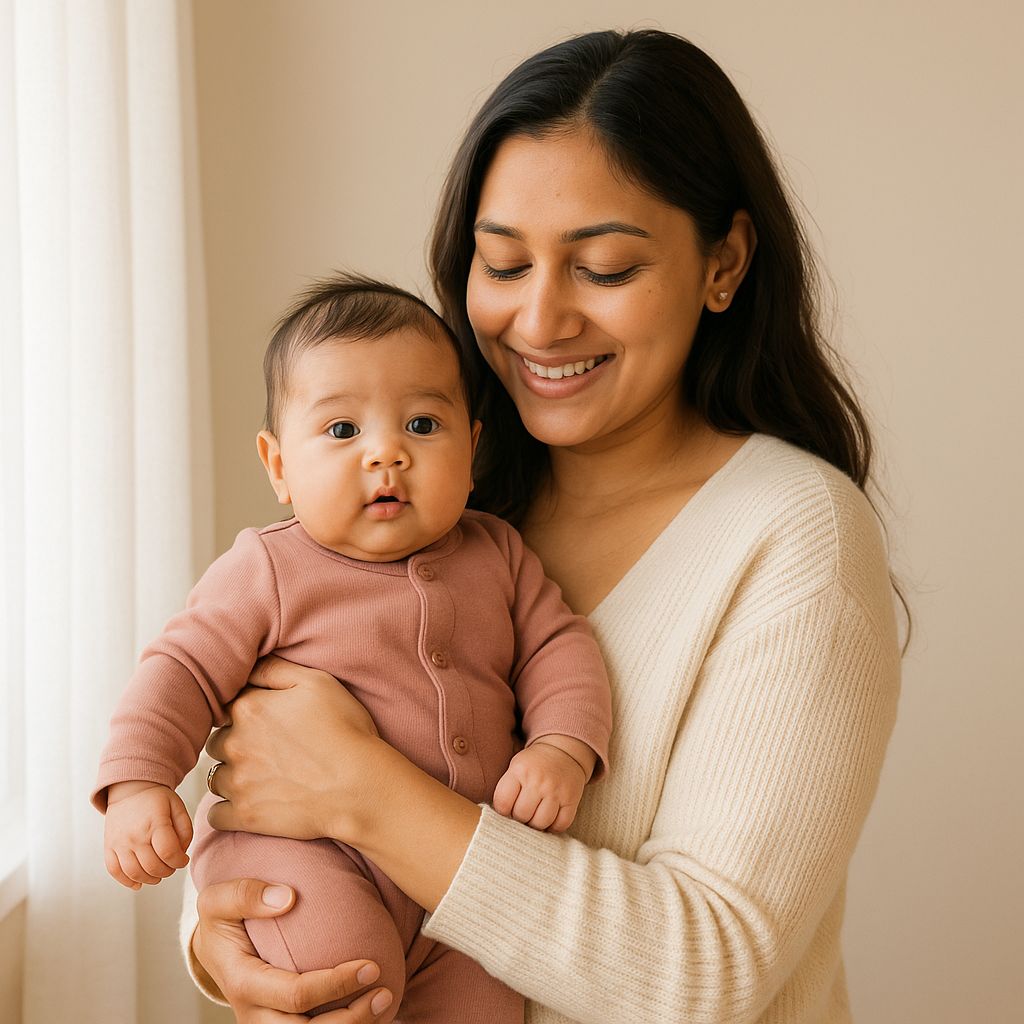
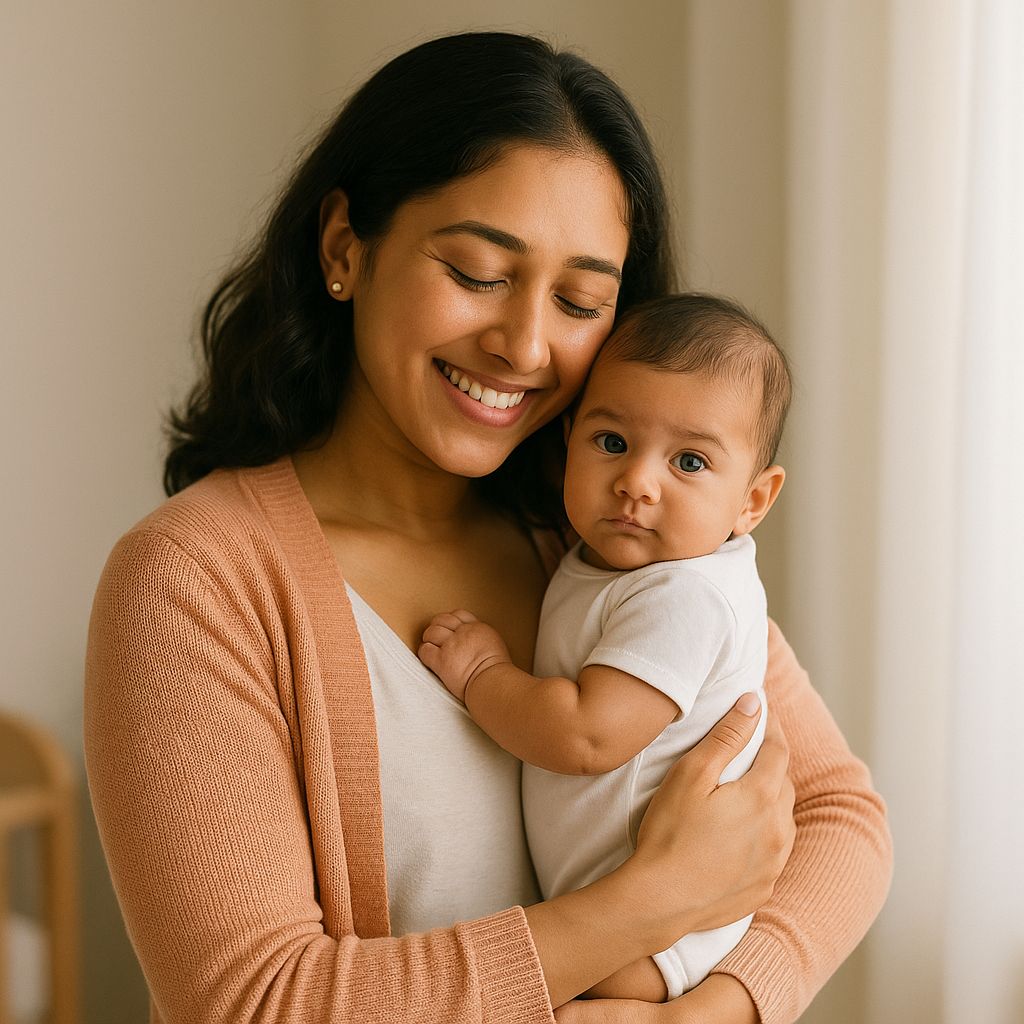
As temperatures soar, parents face the critical task of keeping their babies comfortable, cool, and safe. Unlike adults, infants have immature thermoregulation, which means they are less able to adapt to heat and are more susceptible to heat-related illnesses, including heat rash, dehydration, and even heatstroke. The right clothing choices are essential components of your baby’s summertime safety and comfort strategy.
Understanding Infant Thermoregulation
Newborns and infants have a higher body surface area to weight ratio compared to adults, which makes them prone to faster heat gain or loss. Research published in the journal Pediatrics notes that infants sweat less efficiently and their skin is thinner, making external temperature changes more impactful. Therefore, selecting appropriate clothing is not merely a matter of comfort—it’s a health imperative.
Optimal Fabrics for Hot Weather
The foundation of hot-weather clothing for babies is fabric selection. Scientific evidence suggests that natural, breathable fibers are superior in promoting airflow and facilitating moisture evaporation. Key options include:
- 100% Cotton: Extensively recommended by pediatricians, cotton is lightweight, soft, and highly breathable, reducing the risk of heat rash.
- Muslin: This loosely woven cotton is even more air-permeable, making it excellent for swaddles, blankets, and clothing.
- Bamboo: Bamboo viscose is naturally hypoallergenic, moisture-wicking, and has a cooling effect, according to studies in Textile Research Journal.
- Linen: Less common but effective, linen is another cool, breathable fabric option.
Avoid synthetic fabrics like polyester or nylon, as they trap heat and moisture, increasing the risk of overheating and skin irritation.
Clothing Structure: What to Look For
- Loose Fit: Clothes that fit loosely allow trapped heat to escape and encourage airflow. Tight clothing can impede circulation and contribute to heat retention.
- Minimal Layers: Unless in an air-conditioned environment, dress your baby in a single layer. The American Academy of Pediatrics (AAP) recommends dressing infants in one more layer than an adult would comfortably wear in the same environment.
- Easy Fastenings: Look for snaps, zippers, or wide necklines for easy changes, especially when clothing gets damp from sweat or spills.
Sun Protection: Clothing as a Shield
Babies’ delicate skin is highly susceptible to sunburn. The AAP and Skin Cancer Foundation both advocate for clothing as a primary line of defense. Consider the following:
- Wide-Brimmed Hats: These protect the face, neck, and ears. Choose lightweight, breathable options with a chin strap for security.
- Long Sleeves and Pants: Use lightweight, tightly woven fabrics for coverage during direct sun exposure. Some brands offer UPF-rated clothing for extra UV protection.
- Sunglasses: For older infants, sunglasses with 100% UVA/UVB protection can safeguard their developing eyes.
Practical Tips for Dressing Babies in Heat
- Assess the Environment: If you are indoors with air conditioning, a short-sleeved onesie or romper may suffice. Outdoors, add a sun hat, and opt for longer sleeves if sun exposure is prolonged.
- Layer Smartly: Use removable layers (e.g., a muslin cardigan) for environments where temperatures fluctuate, such as moving between outdoors and air-conditioned spaces.
- Check for Overheating: Feel your baby’s chest or back (not hands or feet) for sweat or warmth. If damp, remove a layer.
- Choose Light Colors: Light shades reflect sunlight, whereas dark colors absorb heat.
- Keep Extras Handy: Babies may sweat or have diaper leaks more in hot weather, so pack extra clothes when out.
Sleepwear Choices in Hot Weather
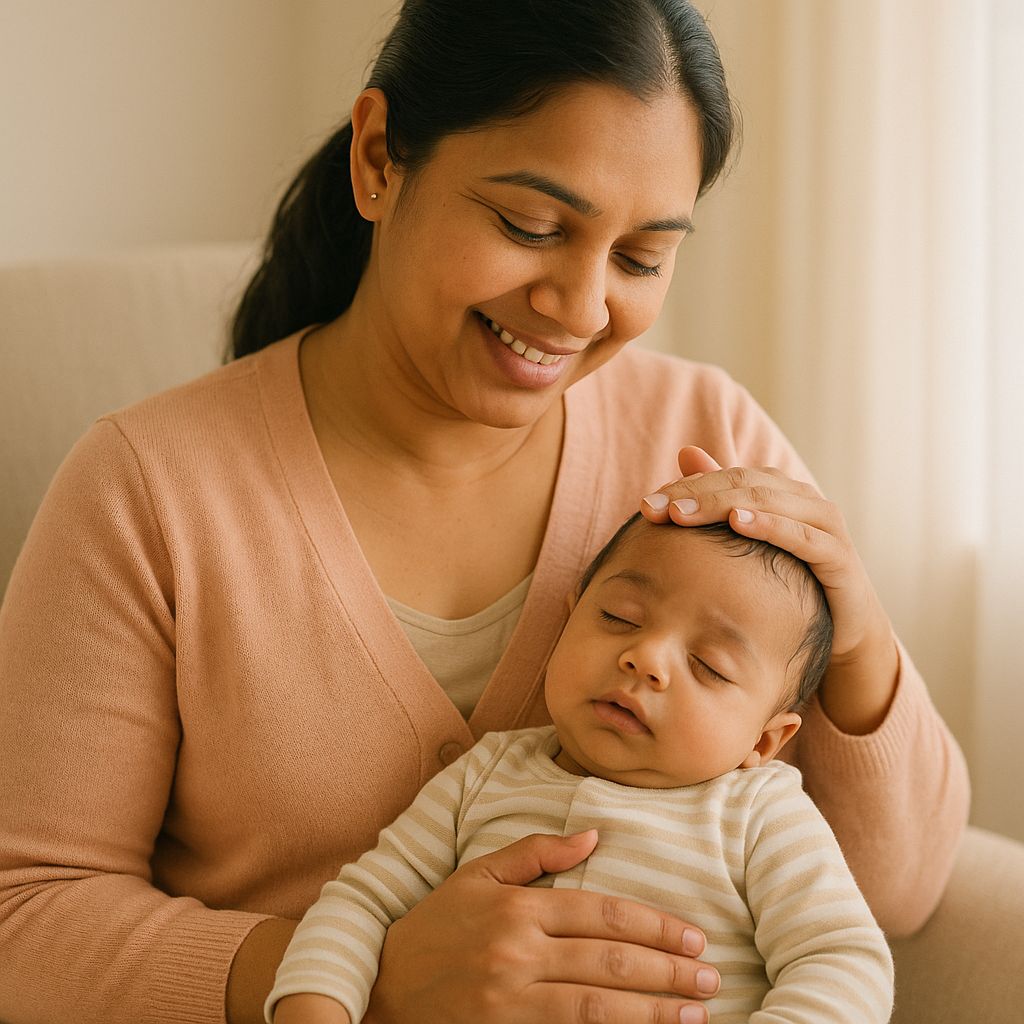
Sleep safety remains paramount. Overbundling is a risk factor for sudden infant death syndrome (SIDS), especially in warm climates, as highlighted in the Pediatrics journal’s safe sleep guidelines. Recommendations include:
- Dress babies in a single layer, such as a short-sleeved bodysuit or lightweight sleep sack.
- Avoid blankets, quilts, and heavy sleepwear.
- Ensure the nursery is well-ventilated and kept between 68–72°F (20–22°C) if possible.
- If swaddling, use a breathable muslin cloth and discontinue as soon as your baby shows signs of rolling.
What to Avoid When Dressing Babies in Hot Weather
- Heavy or synthetic fabrics (e.g., fleece, polyester blends).
- Multiple tight layers.
- Bulky hats or caps that trap heat.
- Plastic or rubberized waterproof clothing, which blocks airflow.
- Excess accessories that can increase the risk of overheating.
Signs of Overheating and Heat-Related Illness
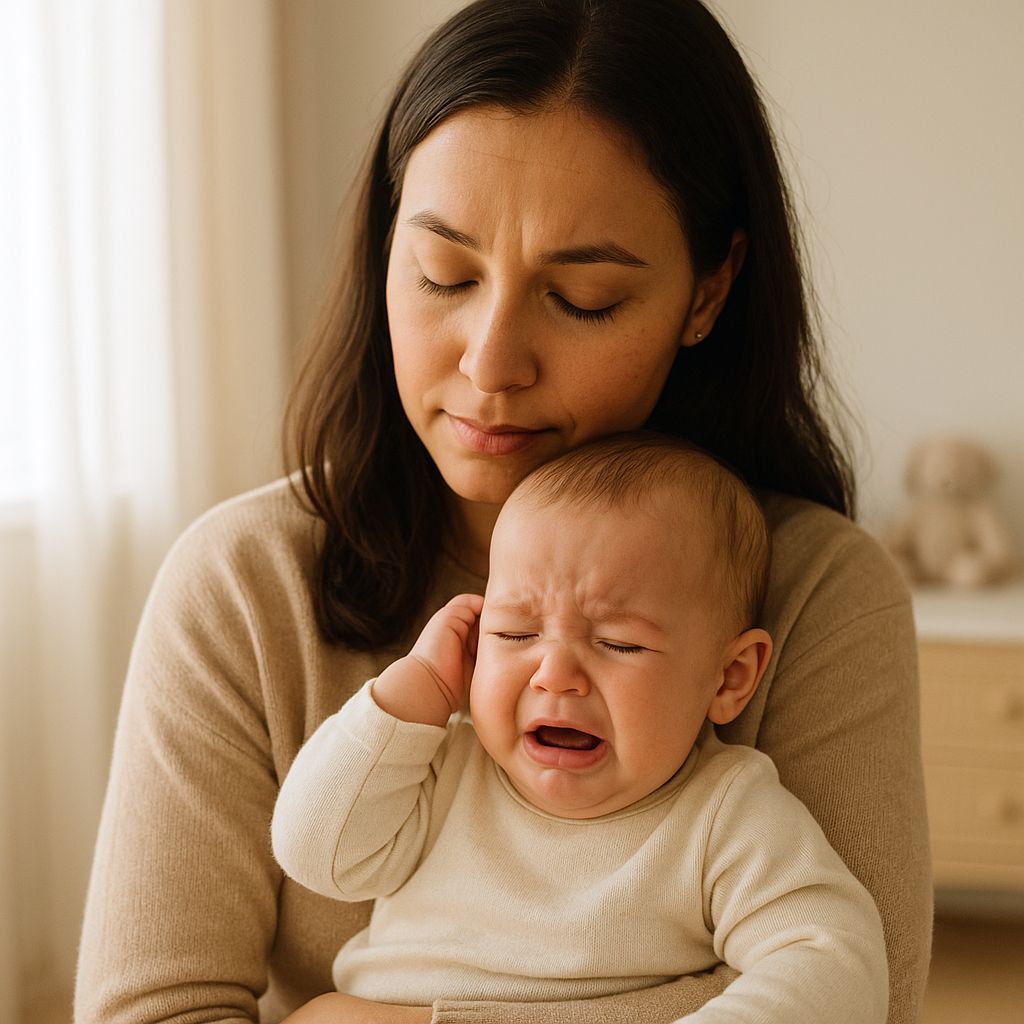
Recognizing overheating early can prevent serious complications. Warning signs in infants include:
- Red, flushed cheeks
- Heavy sweating, especially on the neck/back
- Rapid breathing
- Lethargy or irritability
- Dry mouth or sunken eyes (signs of dehydration)
If your baby exhibits these symptoms, move them to a cooler area, remove excess clothing, and offer fluids (breast milk or formula). Seek medical attention if symptoms persist or worsen.
Frequently Asked Questions
- What type of fabric is best for babies in hot weather?
- Natural, lightweight, and breathable fabrics such as 100% cotton, muslin, and bamboo are ideal for hot weather. These fabrics promote airflow and wick moisture away from the skin, reducing the risk of overheating.
- How do I know if my baby is too hot?
- Signs of overheating in babies include flushed skin, rapid breathing, irritability, sweaty neck or back, and lethargy. Check your baby’s temperature by feeling their chest or back, not hands or feet.
- Should babies wear hats in hot weather?
- Yes, a wide-brimmed, lightweight hat made from breathable fabric helps shield your baby’s face, neck, and ears from harmful UV rays. Avoid thick, tight hats that can trap heat.
- Is it safe for babies to wear sunscreen?
- The American Academy of Pediatrics recommends keeping babies under 6 months out of direct sunlight. If sun exposure is unavoidable, apply small amounts of broad-spectrum sunscreen (SPF 15+) to exposed areas.
- How can I dress my baby for sleep in hot weather?
- Dress your baby in a single layer of lightweight clothing such as a cotton onesie. Avoid blankets; consider a breathable sleep sack if needed. Ensure the room is cool and well-ventilated.
Conclusion
Choosing the best clothing for babies in hot weather is a balance between protection and comfort. Rely on lightweight, breathable fabrics, loose fits, and sun-protective accessories to keep your infant comfortable and safe. Monitor for signs of overheating and adapt their wardrobe as needed. By following evidence-based guidelines, you are helping your baby enjoy the warm months while minimizing heat-related risks.
References
- American Academy of Pediatrics. (2022). Sun Safety: Information for Parents About Sunburn & Sunscreen.
- Pediatrics. (2016). Temperature Regulation and Overheating in Infants.
- Skin Cancer Foundation. (2021). Children and Sun Protection.
- Textile Research Journal. (2020). Bamboo Viscose: Moisture Wicking and Breathability.