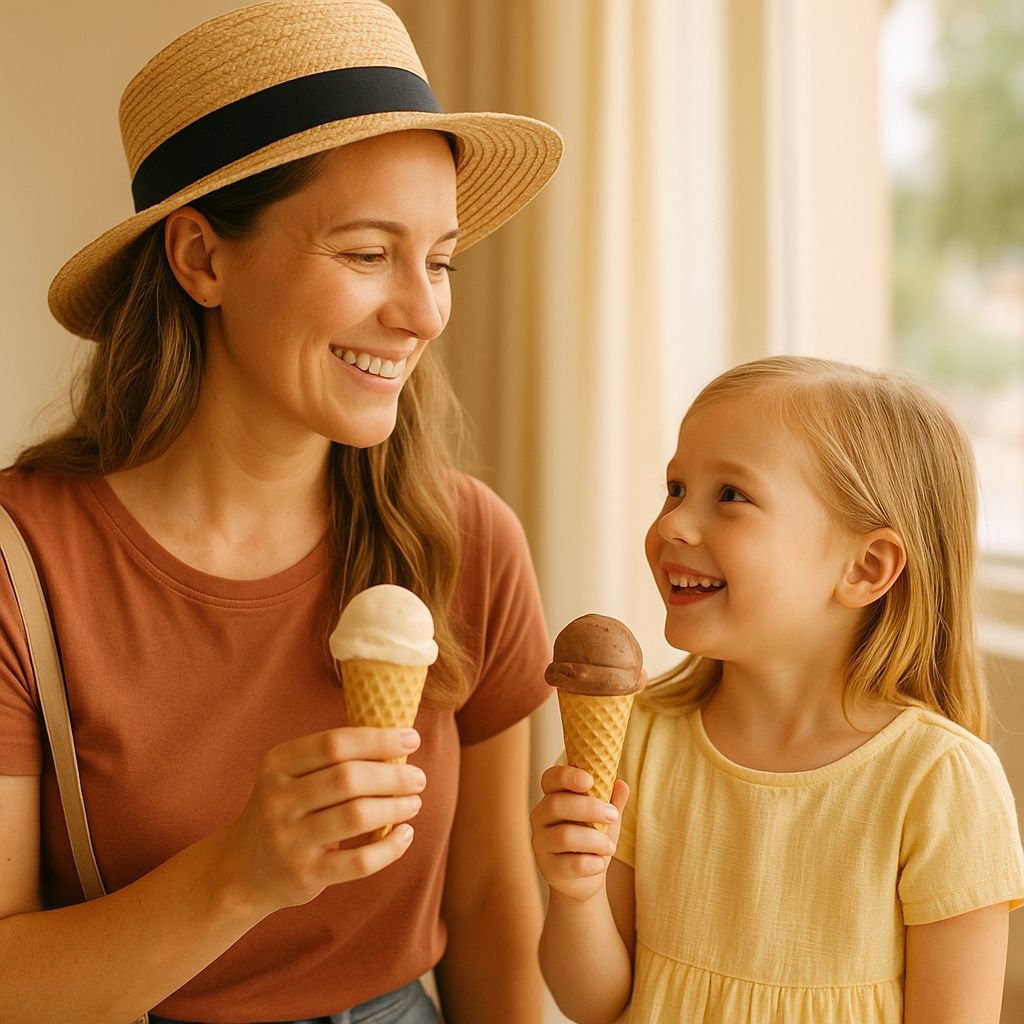

Balancing Treats and Nutrition During Vacations: A Parent’s Guide
Family vacations are a time for adventure, relaxation, and making memories. Alongside the excitement often comes a tempting array of ice creams, pastries, and unfamiliar snacks at every turn. While it’s natural to want your children to enjoy these special treats, parents often worry about maintaining healthy eating habits away from home. The good news: you don’t have to choose between fun and nutrition. With a little planning and flexibility, you can strike a healthy balance that lets your kids indulge mindfully while still nourishing their growing bodies.
Why Balance Matters: The Vacation Nutrition Dilemma
Traveling disrupts routines, including mealtimes and food environments. Children may be exposed to more processed foods, sugary drinks, and oversized portions than usual. While occasional indulgence isn’t harmful, consistently replacing nutritious meals with treats can impact energy levels, digestion, and overall well-being.
Striking a balance ensures that your child enjoys the delights of vacation without sacrificing their nutritional needs. This approach also teaches lifelong lessons about moderation and mindful eating, helping kids build a positive relationship with food.
Setting Realistic Expectations
Before embarking on your trip, set the tone for vacation eating. Explain to your children that vacations are for enjoyment—including special foods—but also for feeling good and staying energized. Involve them in discussions about treats and healthy choices, and set family guidelines together, such as:
- Enjoying one or two treats per day
- Balancing sweet snacks with nourishing meals
- Trying new fruits and vegetables when available
When kids feel included in decision-making, they’re more likely to cooperate and make thoughtful choices.
Planning Ahead: Nutritious Travel Strategies
1. Pack Healthy Snacks
One of the best ways to manage treat consumption is to bring your own nutritious snacks. Healthy, portable options include:
- Cut fruits (apples, grapes, berries)
- Veggie sticks (carrots, cucumbers, snap peas)
- Whole grain crackers or rice cakes
- Yogurt tubes or pouches
- Cheese sticks or cubes
- Homemade trail mix (nuts, seeds, dried fruit)
- Mini sandwiches or wraps
Having these on hand prevents hunger-fueled impulse buys of less nutritious foods at airports, amusement parks, or roadside stops.
2. Research Food Options
Wherever you’re headed, look up local supermarkets, farmers markets, and restaurants with healthy menu choices. Many destinations now cater to families by offering kid-friendly portions of balanced meals. If staying in a hotel with a mini fridge, stock up on milk, yogurt, fresh fruit, and even pre-cut veggies upon arrival.
3. Build Balanced Vacation Meals
When dining out, use the "half-plate rule": aim for half the plate to be fruits and vegetables, with the remainder divided between protein and whole grains. Encourage kids to try local produce or new preparations, making meals part of the adventure. Sharing entrees and ordering sides can help control portions and reduce food waste.
4. Hydration Over Sugary Drinks
Vacations, especially in warm climates, can lead to increased thirst. It’s easy to reach for juices, sodas, or slushies, but water is the best choice. Carry refillable water bottles for each family member. For a treat, try sparkling water with a splash of juice or fresh fruit slices. Staying hydrated helps curb cravings and supports digestion and energy levels.
Mindful Treats: Enjoying Sweets Without Guilt
Vacations wouldn’t be the same without sampling local desserts or enjoying an extra scoop of ice cream. The key is moderation and mindfulness:
- Choose treats that are special to your destination—think gelato in Italy or beignets in New Orleans.
- Share desserts as a family to keep portions reasonable and sample more flavors.
- Pair treats with activity—enjoy a sweet snack after a long walk or day at the park.
- Encourage kids to savor their treats slowly and pay attention to how the food tastes and makes them feel.
Teaching children to enjoy treats as part of the vacation experience—rather than as the main event—instills healthy attitudes that last beyond the trip.
Healthy Habits On-the-Go
1. Stick to a Flexible Schedule
While strict routines may not be possible, aim for structured mealtimes and snacks to prevent constant grazing. Hunger and fatigue can lead to crankiness and overindulgence. If your child is particularly sensitive to routine changes, try to keep mealtimes within an hour or two of their usual schedule.
2. Involve Kids in Food Choices
Let children help pick out snacks at a market or choose from a few menu options. This involvement empowers them and increases the likelihood they’ll eat what’s served. Encourage them to describe what foods look, smell, and taste like—making eating an adventure, not a battleground.
3. Lead by Example
Kids are more likely to make healthy choices if they see their parents doing the same. Enjoy fruits, veggies, and local specialties together. Show excitement about trying new foods, and model moderation with treats.
Overcoming Common Challenges
Challenge 1: Picky Eaters
Vacations can be an opportunity for picky eaters to try new foods in a low-pressure way. Encourage small tastes, celebrate attempts, and avoid making a big deal about refusals. Sometimes, seeing other children or adults enjoy a dish piques their interest.
Challenge 2: Limited Healthy Options
At some destinations, healthy food may be scarce. In these cases, do your best with what’s available—choose grilled over fried foods, opt for fruit instead of fries, and ask for dressings or sauces on the side. Supplement meals with the healthy snacks you’ve packed.
Challenge 3: Food Safety
Traveling abroad? Prioritize safe eating and drinking practices, especially for younger children. Opt for cooked fruits and vegetables, avoid street food in high-risk areas, and stick to bottled or purified water if needed.
Focusing on Experiences, Not Just Food
Remind your family that the true joy of vacation lies in shared experiences—exploring new places, meeting new people, and making memories together. Food is an important part of culture and fun, but it doesn’t have to be the centerpiece of every activity. Plan active outings, sightseeing, and playtime that naturally balance out special treats and meals.
Returning Home: Reinforcing Healthy Routines
After vacation, ease back into regular mealtimes and food choices. Avoid guilt or making up for treats with restrictions. Discuss what everyone enjoyed about vacation eating and what healthy habits you can bring back home—perhaps trying a new recipe inspired by your travels or continuing to involve kids in meal planning.
Conclusion
Balancing treats and nutrition during vacations doesn’t mean strict rules or deprivation. With mindful planning, open communication, and a spirit of adventure, families can enjoy the best of both worlds—savoring special treats while supporting healthy growth and happy memories. By modeling this balance, you’re giving your child the tools for a lifetime of positive eating habits, wherever your travels may lead.
Frequently Asked Questions
- How many treats should I allow my child during vacation?
- There’s no strict number, but moderation is key. Allow one or two treats per day, balancing them with nutritious meals and snacks. Involve your child in making choices to encourage mindful indulgence.
- How can I ensure my child eats healthy while traveling?
- Plan ahead by packing healthy snacks, researching food options, and offering a variety of fruits, vegetables, proteins, and whole grains. Make healthy choices accessible and fun for your child.
- What are some healthy travel snacks for kids?
- Great options include cut fruits, veggie sticks, whole grain crackers, cheese sticks, yogurt pouches, nuts (if age-appropriate), and homemade energy bars. These snacks are nutritious and portable.
- Should I restrict all sweets during vacation?
- Completely restricting sweets can backfire and make them more appealing. Allow treats in moderation and focus on teaching your child to enjoy them as part of a balanced diet.