Balance and Movement Activities for Babies: Building Strong Foundations
Watching your baby discover the world is one of the greatest joys of parenting. Every wiggle, rollover, and wobbly stand is a milestone worth celebrating! Did you know that balance and movement play a huge role in your baby's physical, cognitive, and emotional development? At Growing Giggles, we’re here to help you turn everyday moments into playful opportunities for growth with expert-backed balance and movement activities for babies.
Why Balance and Movement Activities Matter
From the first tummy time to those tentative steps, movement activities help babies build gross motor skills—the abilities needed for big body movements like crawling, standing, and walking. Balance activities teach babies how to control their bodies, react to gravity, and gain confidence. These foundational skills don’t just make babies strong—they also boost brain development, support sensory processing, and even set the stage for social and emotional growth.
Key Benefits
- Muscle Strength: Activities that encourage movement help babies build strong muscles for future milestones.
- Coordination: Balancing teaches babies how to coordinate their limbs and movements.
- Cognitive Growth: Movement stimulates neural connections in the brain.
- Social-Emotional Skills: Playful activities foster confidence and trust between babies and caregivers.
Getting Started: Safety First
Before you jump into movement play, let’s cover a few safety basics:
- Always supervise your baby during activities.
- Use soft surfaces (carpet, playmats, blankets) to cushion falls.
- Check the area for hazards like sharp objects or choking risks.
- Choose toys and equipment that are age-appropriate and in good condition.
- Follow your baby’s cues—never force participation.
Balance and Movement Activities by Age
Newborns (0-3 Months)
At this stage, your baby’s movements are mostly reflexive. Gentle activities help them develop awareness and strength.
- Tummy Time: Place your baby on their tummy for short periods throughout the day. This strengthens neck, shoulder, and arm muscles.
- Side Lying Play: Lay your baby on their side and offer toys to encourage reaching and rolling.
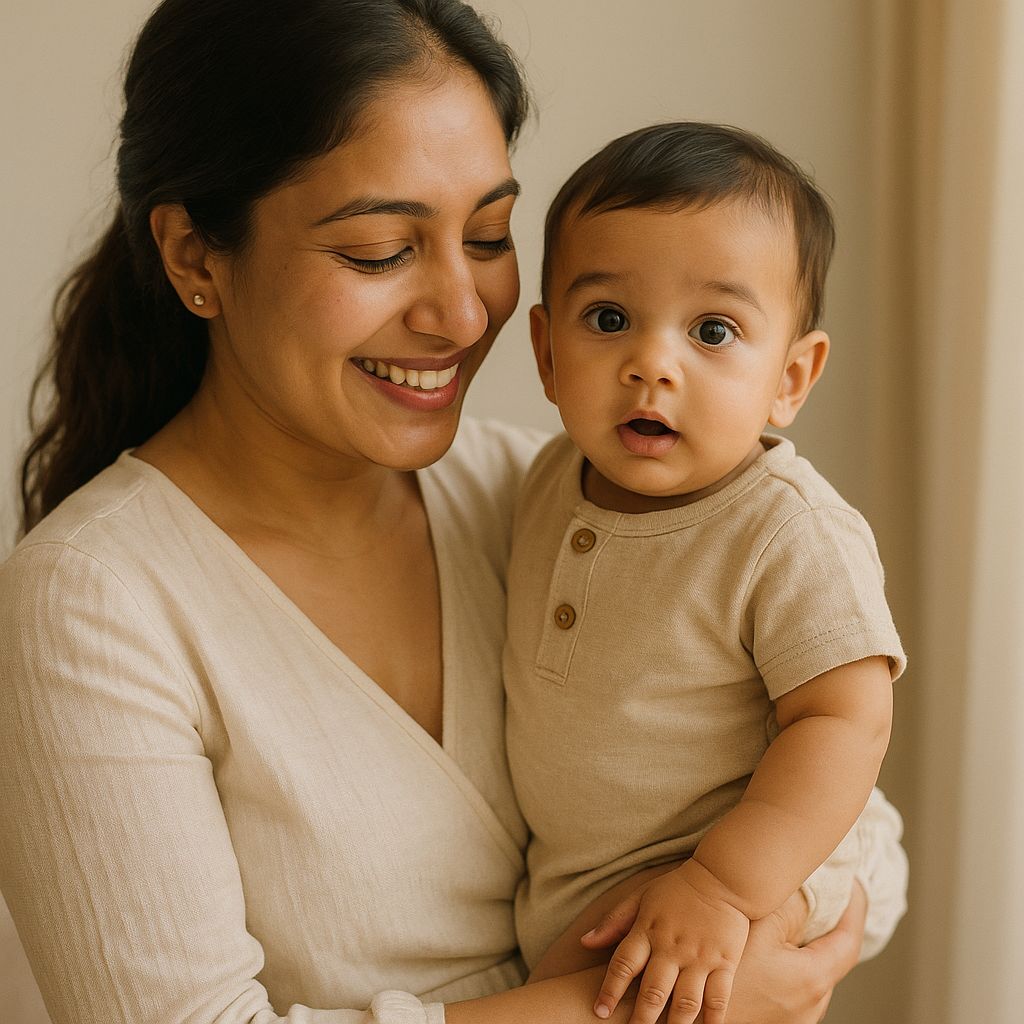
- Gentle Rocking: Hold your baby securely and gently rock or sway. It soothes and introduces balance sensations.
Infants (4-6 Months)
Babies are becoming more active and curious. Encourage controlled movements and introduce new sensations.
- Supported Sitting: Prop your baby up with pillows or your hands. Let them practice sitting and balancing.
- Rolling Games: Place toys just out of reach to motivate rolling and reaching.
- Lap Bounces: Sit your baby on your lap and gently bounce. Sing a song to add rhythm!
Older Infants (7-12 Months)
Get ready for crawling, cruising, and maybe even those first steps! Balance and movement activities can be more dynamic.
- Crawling Courses: Set up a mini obstacle course with pillows and soft toys. Motivate your baby to crawl over, under, and around.
- Stand and Sway: Help your baby stand while holding a sturdy surface (couch, ottoman) and gently sway side to side.
- Push Toys: Offer push toys or walkers for supported movement and balance practice.
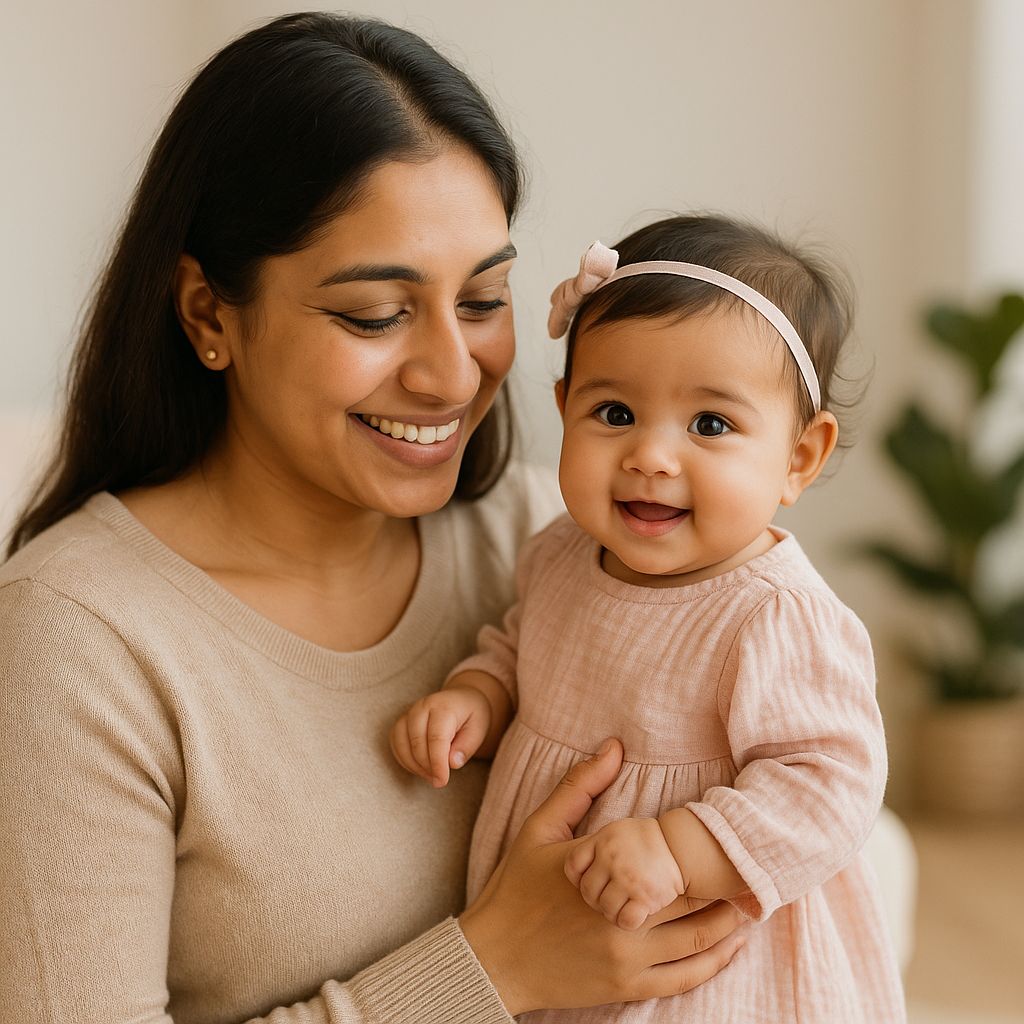
- Dance Together: Hold your baby and dance to music—twirl, dip, and sway for fun balance challenges.
Playful Movement Ideas for All Ages
Balance and movement activities don’t need fancy equipment! Here are simple, effective ideas you can try anytime:
- Pillow Mountain: Stack pillows to create a soft climbing challenge.
- Mirror Play: Place your baby in front of a mirror—watching their own movements is fascinating and encourages exploration.
- Rolling Ball: Gently roll a ball back and forth to encourage reaching, crawling, and coordination.
- Animal Walks: Pretend to be animals together! Crawling like a bear, hopping like a bunny, or wiggling like a worm adds fun and variety.
- Balance Board (for older babies): Use a sturdy, low balance board or wobble cushion under supervision for gentle balance practice.
Tips for Encouraging Movement Play
- Follow Your Baby’s Lead: Let your baby explore at their own pace. Celebrate their curiosity and achievements!
- Keep Sessions Short and Frequent: Babies learn best in bursts. Aim for several short sessions throughout the day.
- Use Music and Rhymes: Movement is more fun with playful songs and rhymes—try classics like “Row, Row, Row Your Boat” or “Ring Around the Rosie.”
- Make It Social: Invite siblings or friends for group play. Babies love watching and imitating others!
- Model Movement: Show your baby how to crawl, roll, or sway. Babies learn by watching you.
How Movement Supports Overall Development
Balance and movement activities aren’t just about muscles—they’re about the whole child. Here’s how movement play supports growth:
- Brain Development: Physical movement helps build neural pathways, laying the groundwork for future learning.
- Sensory Processing: Activities that challenge balance and movement help babies understand their body’s position in space.
- Language and Social Skills: Playful movement is a great opportunity for conversation, laughter, and bonding.
- Emotional Confidence: Mastering new movements gives babies pride and resilience.
Common Challenges and How to Address Them
- Baby Seems Disinterested: Try different activities, follow their lead, and keep sessions short. Sometimes babies need time to warm up!
- Slow Progress: Every baby learns at their own pace. Celebrate small milestones and avoid comparison.
- Safety Concerns: Double-check the play space, supervise closely, and use age-appropriate toys.
FAQs
- Why are balance and movement activities important for babies?
- Balance and movement activities help develop gross motor skills, strengthen muscles, and build coordination. They also support cognitive, social, and emotional growth by encouraging exploration and confidence.
- At what age can I start balance and movement activities with my baby?
- You can begin gentle balance and movement activities from birth, such as tummy time, and gradually introduce more complex activities as your baby grows and achieves new milestones.
- Are there any safety tips for movement play with infants?
- Always supervise your baby, use soft surfaces, avoid sharp objects, and follow your baby's cues. Ensure toys and equipment are age-appropriate and check for hazards in the play area.
- How often should I do these activities with my baby?
- Aim for short, frequent sessions throughout the day. Babies benefit from regular movement play, but always respect their mood and energy levels.
- What if my baby doesn’t seem interested in movement activities?
- Every baby is different. Try various activities, follow your baby's lead, and be patient. If concerns persist, consult your pediatrician for guidance.
When to Seek Help
If your baby seems unusually stiff or floppy, isn’t achieving milestones, or you have concerns about their movement or balance, don’t hesitate to reach out to your pediatrician. Early support can make a big difference, and most babies benefit from extra encouragement and expert advice.
Conclusion: Making Balance and Movement Playful
Balance and movement activities are some of the best ways to help your baby grow strong, confident, and curious. With a little creativity, you can turn everyday moments into opportunities for play and learning. Remember, your love and encouragement are the most important ingredients—so get down on the floor, sing, laugh, and enjoy these magical milestones together!
Further Reading & Resources
For more expert tips and playful ideas, follow Growing Giggles and join our community of curious, caring parents!