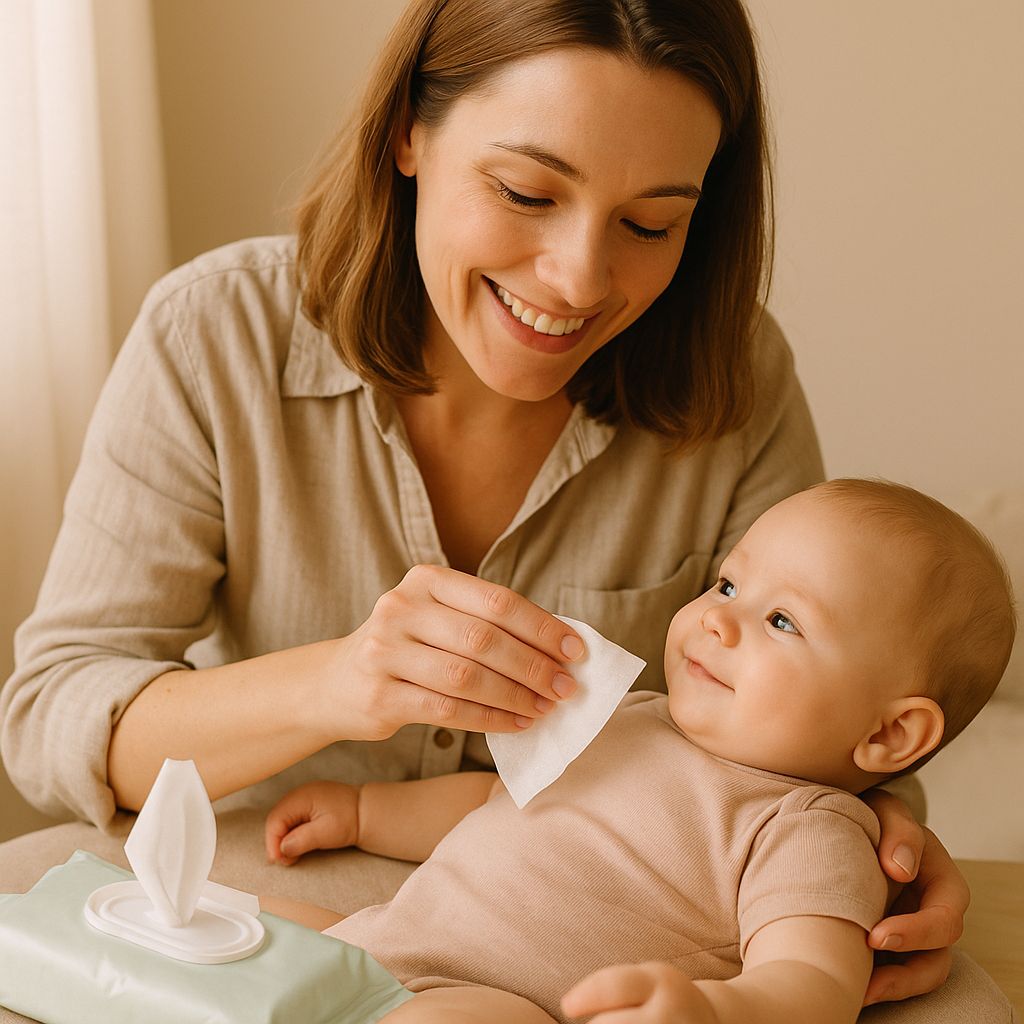

Baby Wipes Guide: Ingredients Parents Should Check
Baby wipes have become an indispensable part of modern parenting, providing convenience and ease for diaper changes, cleaning hands, and managing messes on the go. While wipes are a staple in most homes with infants or toddlers, their safety and suitability for your child’s delicate skin hinge on their ingredients. This comprehensive guide explores what’s inside baby wipes, which ingredients are safe, and what parents should avoid to ensure the best care for their children.
Why Ingredient Awareness Matters
Babies' skin is thinner and more sensitive than adults’, making it more susceptible to irritation, allergic reactions, and absorption of chemicals. The wrong ingredients can lead to rashes, dryness, or even long-term health concerns. As a result, being ingredient-savvy isn’t just about avoiding discomfort — it’s about protecting your child’s health and well-being.
Common Ingredients Found in Baby Wipes
Baby wipes typically consist of a blend of water, cleansing agents, moisturizers, preservatives, and sometimes fragrances. Understanding the purpose of each helps parents make informed decisions:
- Purified Water: The primary ingredient in most wipes, providing moisture and gentle cleaning.
- Cleansing Agents: Mild surfactants that help remove dirt and residue.
- Moisturizers: Ingredients like aloe vera or glycerin that help soothe and hydrate skin.
- Preservatives: Prevent microbial growth and extend shelf life.
- Fragrances: Added for scent, but can cause skin reactions in sensitive babies.
Ingredients to Avoid in Baby Wipes
While many baby wipes claim to be gentle, some contain ingredients that can cause issues. Here are the most common problematic ingredients:
1. Alcohol
Alcohol-based wipes may dry out or irritate baby skin. Look for wipes labeled "alcohol-free."
2. Parabens
Used as preservatives, parabens have been linked to potential hormonal disruption. Many brands now offer paraben-free options.
3. Phenoxyethanol
This preservative, though considered safer than parabens, can cause skin irritation, especially in infants.
4. Artificial Fragrances
Fragrances are a common cause of allergic reactions and skin sensitivities. Opt for fragrance-free wipes for babies with sensitive skin.
5. Methylisothiazolinone & Methylchloroisothiazolinone
These preservatives have been associated with allergic reactions and dermatitis. Many countries have restricted their use in baby products.
6. Propylene Glycol
Though used for moisture retention, propylene glycol can cause irritation in some babies.
7. Sodium Lauryl Sulfate (SLS)
SLS is a strong detergent that can strip skin of natural oils. Most reputable brands avoid SLS in baby wipes.
Safe and Beneficial Ingredients for Baby Wipes
Parents should look for wipes with simple, recognizable, and gentle ingredients:
- Purified Water: The safest and most common base.
- Aloe Vera: Natural moisturizer and skin soother.
- Chamomile Extract: Calming and anti-inflammatory properties.
- Glycerin: Helps retain moisture in the skin.
- Vitamin E: Antioxidant and skin protector.
- Plant-Based Surfactants: Gentle cleansing agents derived from coconut or corn.
Reading Baby Wipe Labels: What Parents Should Know
Understanding labels is key. Here’s how to decode what’s on the package:
- Hypoallergenic: Means the product is less likely to cause allergic reactions.
- Dermatologically Tested: Indicates testing for skin safety, though standards can vary.
- Fragrance-Free: No added scent, ideal for sensitive skin.
- Alcohol-Free: No drying alcohols present.
- Eco-Friendly: Plant-based or biodegradable wipes are better for both baby and environment.
Natural and Organic Baby Wipes: Are They Better?
Many parents gravitate toward natural or organic wipes, hoping for fewer chemicals. These products often use plant-based ingredients and avoid harsh preservatives. However, “natural” or “organic” isn’t regulated in the same way for personal care products, so always check the full ingredient list and look for certifications like USDA Organic or EcoCert.
Baby Wipes for Sensitive Skin
If your baby has eczema or sensitive skin, extra caution is needed. Choose wipes that are:
- Free from fragrances, alcohol, and harsh chemicals
- Enriched with soothing ingredients like aloe or chamomile
- Endorsed by pediatricians or dermatologists
Some brands offer wipes specifically for sensitive skin, often with fewer ingredients and an emphasis on hypoallergenic formulations.
Comparing Popular Baby Wipes Brands
Below is a comparison of how leading brands approach ingredient safety:
| Brand | Free From | Key Ingredients | Certification |
|---|---|---|---|
| WaterWipes | Alcohol, Parabens, Fragrance | 99.9% Water, 0.1% Grapefruit Extract | Dermatologically Tested |
| Pampers Pure | Fragrance, Alcohol, Parabens | Water, Cotton, Botanical Extracts | Hypoallergenic |
| Huggies Natural Care | Alcohol, Parabens | Aloe Vera, Vitamin E | Dermatologically Tested |
| Honest Company | Fragrance, Alcohol, Parabens | Water, Chamomile, Aloe | Made with Plant-Based Materials |
Eco-Friendly and Biodegradable Options
Eco-conscious parents can opt for wipes made from biodegradable materials such as bamboo or cellulose, and those free from synthetic chemicals. These wipes are better for the environment and often gentler on skin.
Proper Use and Storage of Baby Wipes
Even the safest wipes require proper handling:
- Close packages tightly to prevent drying and contamination.
- Store in a cool, dry place.
- Dispose of wipes responsibly; never flush them unless labeled as flushable.
Watch for any changes in your baby’s skin, including redness or rashes, and switch products if needed.
DIY Baby Wipes: A Safe Alternative?
Some parents choose to make their own wipes using soft cloth, water, and a touch of gentle cleanser or oil. DIY wipes allow complete control over ingredients and can save money. However, homemade wipes lack preservatives, so they must be used quickly and kept refrigerated to prevent mold or bacteria growth.
When to Consult a Pediatrician
If your baby develops persistent redness, irritation, or allergic reactions, consult a pediatrician. Sometimes, even safe ingredients can trigger sensitivities in certain children. Your doctor can recommend specific brands or alternatives for your child’s needs.
Final Thoughts
Choosing the right baby wipes is about more than convenience — it’s about safeguarding your child’s health. By checking ingredients, opting for gentle and safe formulations, and being mindful of your baby’s unique needs, you can ensure every diaper change is comfortable and irritation-free. Always prioritize products with minimal, recognizable ingredients and avoid those with harsh chemicals. Your baby’s skin deserves the best!
Frequently Asked Questions
Which ingredients should parents avoid in baby wipes?
Parents should avoid baby wipes containing alcohol, parabens, phenoxyethanol, artificial fragrances, and certain preservatives like methylisothiazolinone. These may cause irritation, allergic reactions, or other health concerns.
Are fragrance-free baby wipes better for sensitive skin?
Yes. Fragrance-free baby wipes are generally recommended for sensitive skin, as artificial fragrances can cause irritation and allergic reactions.
What are some safe ingredients in baby wipes?
Safe ingredients include purified water, aloe vera, chamomile extract, and plant-based cleansers. Always check for hypoallergenic labeling and minimal ingredient lists.
Can I use regular wipes instead of baby wipes?
It's best to use wipes specifically formulated for babies. Adult wipes often contain harsher chemicals unsuitable for delicate baby skin.
Key Takeaways
- Always check the ingredient list on baby wipes to avoid harsh chemicals.
- Look for wipes with minimal ingredients and those labeled as hypoallergenic and fragrance-free.
- Avoid wipes containing alcohol, parabens, phenoxyethanol, and artificial fragrances.
- Natural and plant-based ingredients are generally safer for babies with sensitive skin.
- Proper storage and usage of baby wipes can help prevent irritation and allergic reactions.