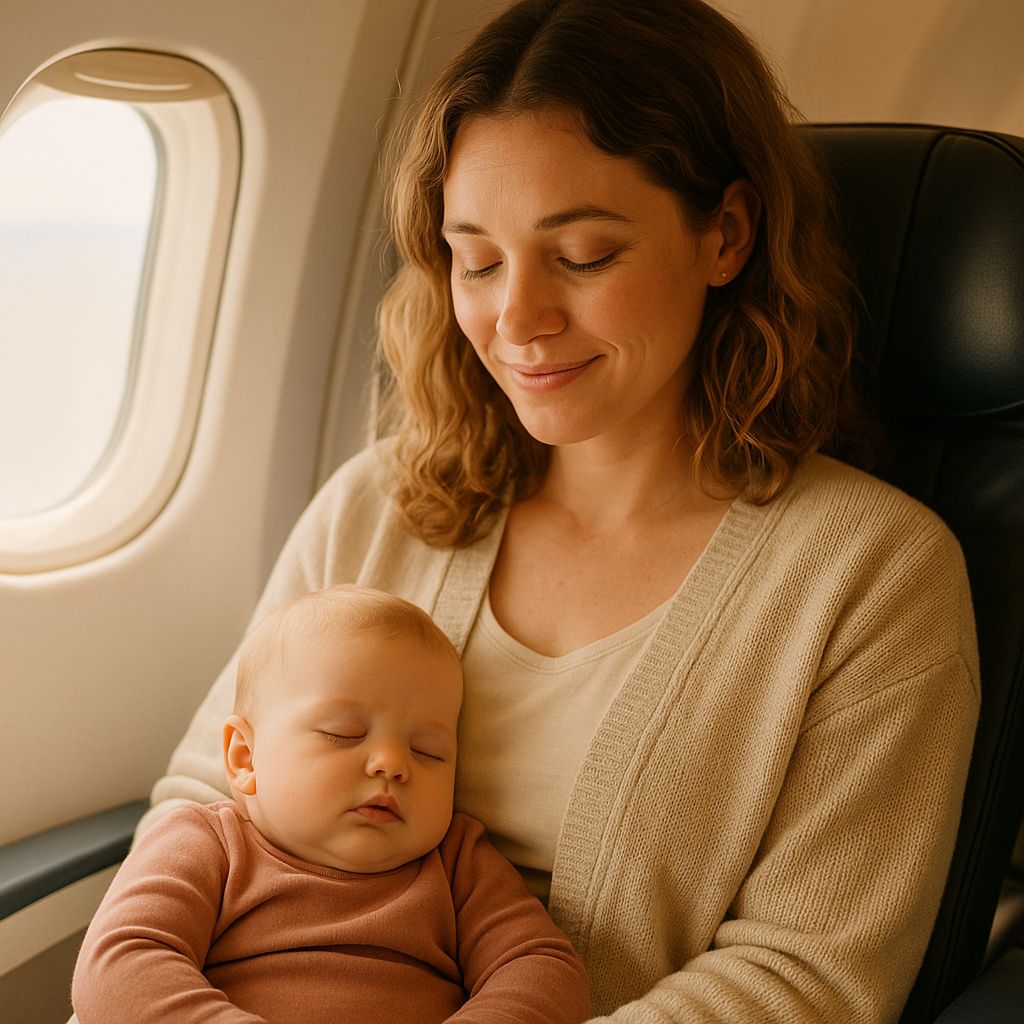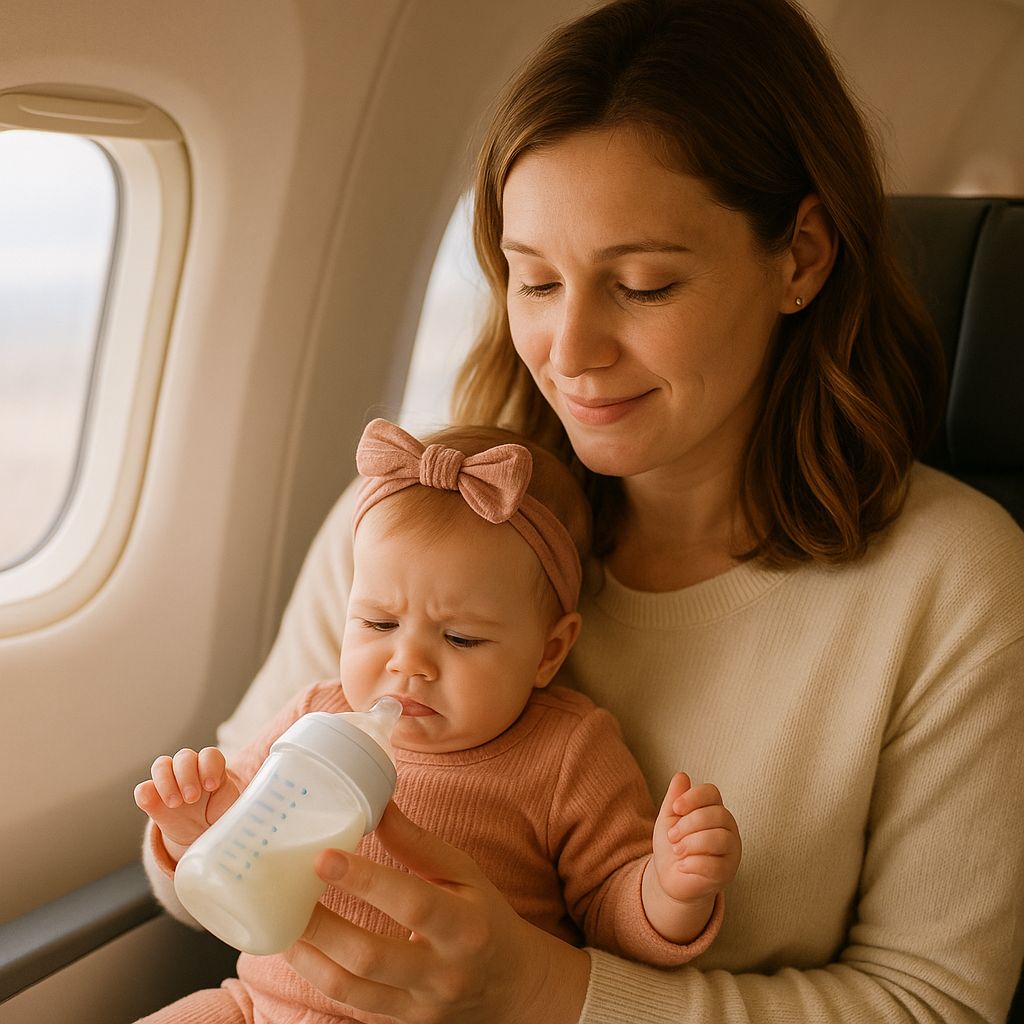

What to Do If Your Baby Refuses Milk While Traveling
Traveling with a baby is an exciting adventure, but it can also present unexpected challenges. One concern that often takes parents by surprise is when a baby refuses milk while traveling. Whether you breastfeed, bottle-feed, or supplement with formula, a sudden refusal to drink milk can be stressful, especially when you’re far from home and your usual resources. This expert guide explores the reasons behind milk refusal during travel, practical solutions, and how to keep your baby comfortable, hydrated, and nourished on the go.
Why Do Babies Refuse Milk While Traveling?
Babies thrive on routine and familiarity. Traveling disrupts both, which can lead to feeding challenges. Understanding potential causes is the first step in resolving the issue:
- Change in Environment: Unfamiliar sights, sounds, and smells can distract or unsettle babies, making them less interested in feeding.
- Disrupted Routine: Different time zones, altered sleep schedules, and missed naps can impact hunger cues and feeding times.
- Jet Lag and Fatigue: Babies can experience jet lag and become overtired or overstimulated, affecting their appetite.
- Digestive Discomfort: New foods, water sources, or stress may cause mild digestive upset, leading to temporary milk refusal.
- Feeding Equipment Changes: A different bottle, nipple, or cup may feel unfamiliar, especially to sensitive babies.
- Illness: Exposure to new environments increases the risk of minor illnesses, which can cause a decrease in appetite.
Immediate Steps to Take When Your Baby Refuses Milk
If your baby refuses milk during travel, try not to panic. Here are immediate steps you can take:
- Stay Calm and Observe: Babies pick up on parental anxiety. Stay calm and observe your baby for other signs of distress or illness.
- Offer Milk Frequently: Instead of sticking to a strict schedule, offer smaller, more frequent feeds.
- Try Different Temperatures: Some babies may prefer milk slightly warmer or cooler than usual in a new environment.
- Use Familiar Equipment: Bring your baby’s favorite bottle, nipple, or sippy cup from home.
- Create a Calm Feeding Environment: Find a quiet, comfortable spot away from crowds and distractions.
- Check for Signs of Dehydration: Monitor for fewer wet diapers, dry lips, or lethargy. If you notice these signs, contact a healthcare provider promptly.
Expert-Proven Solutions for Common Travel Feeding Issues
1. Breastfeeding Support While Traveling
Breastfeeding can be easier than you think on the road, since you don’t need bottles or formula. However, some babies may still refuse feeds due to distractions or discomfort. Tips include:
- Use a nursing cover or find a quiet spot to minimize distractions.
- Stay well-hydrated and nourished yourself, as travel can impact milk supply.
- Offer the breast more frequently, even if your baby seems uninterested at first.
2. Bottle-Feeding and Formula Tips
If you use formula or expressed milk, travel can bring extra challenges. Consider the following:
- Bring enough formula and clean water from home to avoid sudden changes in taste or quality.
- Use the same brand and type of formula as at home.
- Pre-sterilize bottles and nipples before your trip, and bring a portable sterilizer if possible.
- Warm bottles using a travel bottle warmer or request hot water on airplanes and in restaurants.
3. Hydration and Alternative Nutrition
Keeping your baby hydrated is crucial if they’re refusing milk. Depending on age, here’s what you can do:
- Babies Under 6 Months: Breast milk or formula should be the main source of nutrition. Offer feeds more frequently and in calm settings. Avoid water unless recommended by your pediatrician.
- Babies Over 6 Months: Offer small sips of water, oral rehydration solutions, or pureed fruits. Yogurt or soft foods can provide some nutrition if solid foods are part of your baby’s diet.
4. Comfort and Routine During Travel
Try to recreate your baby’s home routine as much as possible:
- Bring favorite blankets, toys, or comfort objects.
- Maintain nap and sleep schedules to the best of your ability.
- Feed in similar positions and settings as you do at home.
5. Managing Jet Lag and Fatigue
Babies, like adults, can feel out of sync when crossing time zones. To help:
- Expose your baby to natural daylight during the day and keep nighttime calm and dark.
- Adjust feeding and sleeping schedules gradually a few days before departure.
- Be patient—appetite and routine usually return to normal within a few days.
When to Seek Medical Advice
Most cases of milk refusal while traveling are temporary and resolve within a day or two. However, consult a pediatrician if:
- Your baby has fewer than 4 wet diapers in 24 hours (for infants under six months) or fewer than 3 for older babies.
- Shows signs of dehydration: dry mouth, sunken eyes, no tears when crying, lethargy.
- Has vomiting, diarrhea, or a fever.
- Refuses all feeds for more than 8 hours.
In these cases, immediate medical attention is necessary to prevent dehydration and ensure your baby’s safety.
Preventing Feeding Issues When Traveling With a Baby
Preparation is key to smooth feeding routines on the go. Here’s how to plan ahead:
- Pack enough formula, breast milk storage bags, bottles, and sterilizing equipment for the trip.
- Bring familiar feeding supplies and comfort items.
- Research your destination for child-friendly facilities and access to clean water.
- Stick as closely as possible to your baby’s feeding and sleeping schedule.
- Introduce small changes—like new bottles or sippy cups—well before your trip, not during it.
Expert Travel Feeding Checklist
- Pack extra feeding supplies, including at least two days’ worth of formula or breast milk.
- Bring your baby’s favorite comfort items and familiar feeding gear.
- Download important medical contacts and know the location of nearby clinics at your destination.
- Stay flexible—travel is unpredictable, so adjust as needed and trust your instincts.
Conclusion
Milk refusal during travel can be unsettling, but it’s usually temporary and manageable with a calm, prepared approach. By understanding the causes, offering support and alternatives, and maintaining routines as much as possible, you can help your baby adjust to new environments. Always monitor for signs of dehydration or illness, and seek medical advice if you have concerns. With the right strategies, you can ensure your baby stays nourished and comfortable—so you can all enjoy your travel adventure together.
Frequently Asked Questions
- Why does my baby refuse milk while traveling?
- Babies may refuse milk due to new environments, disrupted routines, jet lag, or digestive discomfort. Recognizing the underlying reason can help you find the best solution.
- What should I do if my baby won’t drink milk on the trip?
- Offer milk more frequently, use familiar bottles, create a calm environment, and try different milk temperatures. Keep your baby hydrated and monitor for signs of dehydration.
- Is it safe to give my baby alternatives to milk while traveling?
- If your baby is over six months, you can offer appropriate alternatives like purees, yogurt, or small sips of water. For younger babies, focus on frequent small milk feeds and consult your pediatrician before offering alternatives.
- How can I prevent milk refusal during travel?
- Stick to regular routines, bring familiar feeding items, and prepare for changes gradually before your trip. Stay calm and flexible while traveling.