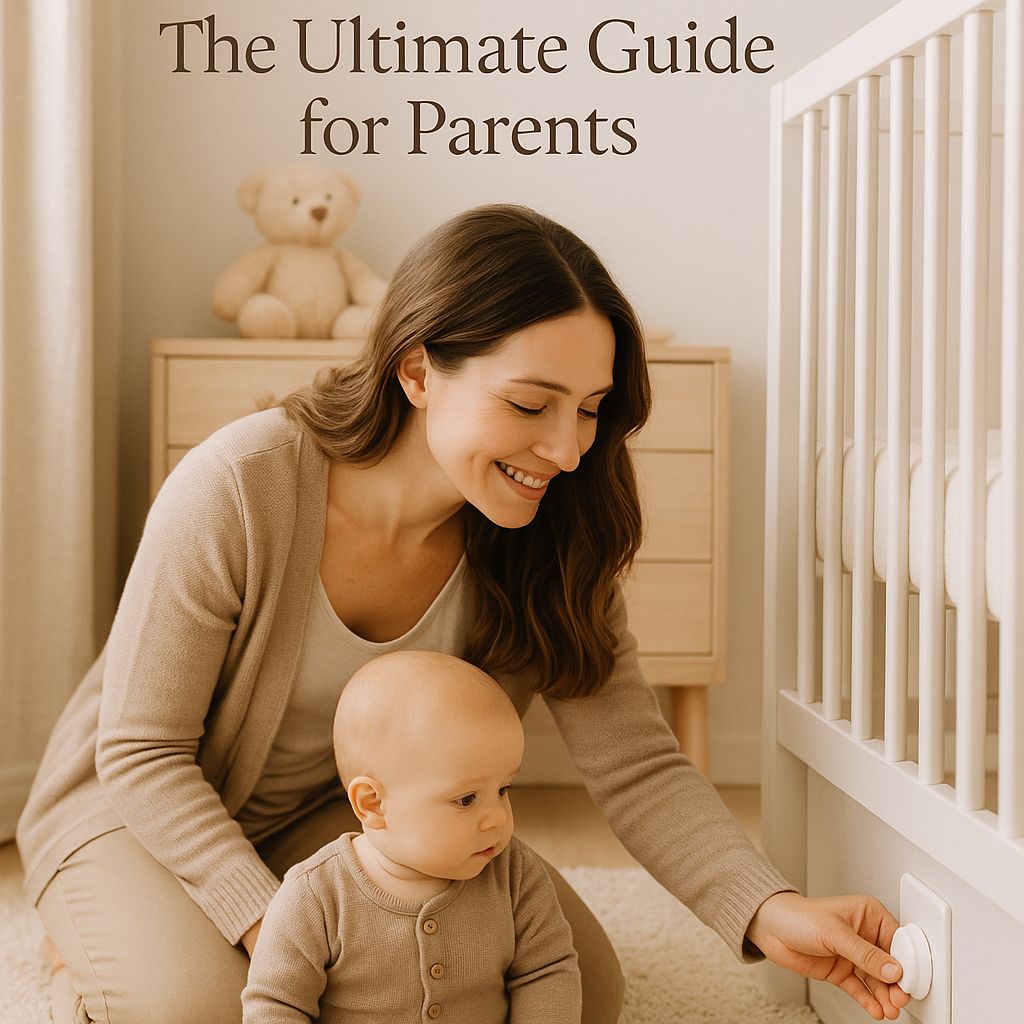

Baby Proofing Products You Should Consider: The Ultimate Guide for Parents
As your little one starts to move, your entire home suddenly becomes a landscape of potential hazards. Baby proofing is an essential step in protecting your child and giving yourself peace of mind. This comprehensive guide explores the most effective baby proofing products you should consider, offering expert recommendations, installation tips, and answers to common parental questions.
Why Is Baby Proofing Important?
Babies are naturally curious. As they start crawling, standing, and walking, their inquisitiveness exposes them to risks you may not have even considered. According to the Centers for Disease Control and Prevention (CDC), unintentional injuries are a leading cause of emergency room visits among young children. Baby proofing is a proactive way to minimize hazards and foster a safe environment for growth and exploration.
When Should You Start Baby Proofing?
The best time to start baby proofing is before your baby becomes mobile—usually around 6 months. This gives you time to address safety concerns without feeling rushed. However, every child develops at their own pace, so keep an eye on your baby’s milestones and adjust accordingly.
Essential Baby Proofing Products for Every Home
Let's break down the most important baby proofing products, organized by area of your home:
1. Safety Gates
- What they do: Block off hazardous areas like stairs, kitchens, or rooms with fragile items.
- Types: Pressure-mounted (ideal for doorways) and hardware-mounted (best for stairs).
- Top Tip: Choose gates certified by the Juvenile Products Manufacturers Association (JPMA) for the highest safety standards.
2. Cabinet and Drawer Locks
- What they do: Prevent your child from accessing dangerous items like cleaning supplies, medications, or sharp objects.
- Types: Magnetic locks, adhesive locks, and sliding latches.
- Installation: Most are easy to install without tools, but ensure they’re firmly attached and test regularly.
3. Outlet Covers and Plugs
- What they do: Block little fingers from electrical outlets to prevent shocks or burns.
- Options: Simple plastic outlet plugs or sliding outlet covers for added security.
- Tip: Look for covers that are difficult for children to remove, but easy for adults.
4. Corner and Edge Protectors
- What they do: Cushion sharp corners on tables, counters, and fireplace hearths to prevent bumps and bruises.
- Features: Soft foam or silicon protectors; some are transparent to blend with your decor.
5. Door Knob Covers and Door Stoppers
- What they do: Prevent children from opening doors to off-limits rooms or pinching fingers in closing doors.
- Style: Knob covers fit over standard knobs, while door stoppers prevent slamming.
6. Furniture and Appliance Straps
- What they do: Anchor heavy furniture and TVs to walls to prevent tipping accidents.
- Why it matters: Curious children may try to climb shelves or dressers, which can easily tip over without proper anchoring.
7. Toilet Locks
- What they do: Keep curious hands (and heads) out of the toilet, reducing drowning and germ risks.
- Installation: Most toilet locks are easy to install and release for adult use.
8. Window Guards and Cord Shorteners
- What they do: Prevent window falls and eliminate the strangulation hazard from blind cords.
- Options: Window stops, mesh guards, and cord winders.
9. Stove Knob Covers and Oven Locks
- What they do: Prevent little hands from turning on burners or opening hot ovens.
- Feature: Many covers are heat-resistant and easy for adults to remove.
10. Baby Monitors
- What they do: Allow you to keep an eye (and ear) on your child from another room.
- Types: Audio, video, and smart monitors with Wi-Fi connectivity and movement sensors.
Additional Baby Proofing Products to Consider
- Anti-scald devices: Regulate water temperature in bathrooms and kitchens to prevent burns.
- Play yard or playpen: Create a safe, enclosed space for supervised playtime.
- Appliance locks: Secure dishwashers, refrigerators, and microwaves.
- Bath spout covers: Soft covers protect against bumps and burns during bath time.
Baby Proofing by Room: A Quick Checklist
- Nursery: Crib safety, window guards, outlet covers, no loose cords.
- Kitchen: Cabinet locks, stove knob covers, appliance locks, corner protectors.
- Bathroom: Toilet locks, anti-scald devices, cabinet locks, non-slip mats.
- Living room: Furniture straps, outlet covers, corner protectors, safety gates at stairs.
- Stairs and hallways: Hardware-mounted gates at top and bottom, non-slip stair treads.
How to Choose the Right Baby Proofing Products
With so many options, it’s important to:
- Assess your home: Get down on your hands and knees to see the world from your baby’s perspective. Identify potential hazards.
- Prioritize quality and safety certifications: Look for products that meet recognized safety standards (e.g., JPMA, ASTM).
- Read reviews: See what other parents say about installation, durability, and effectiveness.
- Consider your child’s temperament and age: Some children are more adventurous than others and may require additional safeguards.
DIY vs. Professional Baby Proofing
Most baby proofing products are designed for easy installation. However, if you have a large home or unique hazards, professional baby proofing services can assess your space and install products for you. This ensures all safety devices are properly fitted and maintained.
Maintaining and Updating Your Baby Proofing Measures
Baby proofing isn’t a “set it and forget it” task. As your child grows, revisit your baby proofing strategy regularly:
- Check for wear and tear on safety devices.
- Update products as your child becomes more mobile or learns new skills (like opening doors or climbing).
- Involve all caregivers in your baby proofing plan so everyone is aware of safety measures.
Common Baby Proofing Mistakes to Avoid
- Ignoring less obvious hazards: Small magnets, button batteries, and pet food can all be dangerous.
- Relying solely on products: Supervision is always crucial, even in a well-proofed home.
- Using outdated or recalled products: Always check for recalls and replace worn or broken items.
Expert Recommendations: Top-Rated Baby Proofing Products
- Regalo Easy Step Walk Thru Gate – Highly rated for durability and ease of use.
- Safety 1st Magnetic Cabinet Locks – Invisible from the outside, strong security.
- Roving Cove Corner Protectors – Soft, transparent, and easy to install.
- Dreambaby Outlet Plugs – Affordable and effective outlet safety.
- Wittle Finger Pinch Guard – Simple foam design prevents door injuries.
- Safety Innovations Furniture Straps – Heavy-duty and easy to install.
Conclusion
Baby proofing is an ongoing process that adapts as your child grows. By investing in high-quality baby proofing products and staying vigilant, you create an environment where your child can explore, learn, and thrive safely. Remember, no product can replace the watchful eyes of a caregiver, but the right tools make all the difference in minimizing risks and maximizing peace of mind.
Frequently Asked Questions
- When should I start baby proofing my home?
- It’s best to start baby proofing before your baby becomes mobile—typically around 6 months old. This ensures your home is safe as soon as your child starts crawling and exploring.
- Are all baby proofing products necessary?
- Not every product will be needed for every home. Assess your living space, identify potential hazards, and choose products that address your specific safety concerns.
- How often should I check my baby proofing devices?
- Check all baby proofing products regularly, especially after cleaning or rearranging furniture. Babies grow quickly and may eventually learn to outsmart certain devices, so reassessment is key.
- Can I install baby proofing products myself?
- Many baby proofing products are designed for easy DIY installation, but always follow the manufacturer’s instructions for proper and secure fitting.