
Baby Mouth Ulcers: Safe Home Treatments Every Parent Should Know
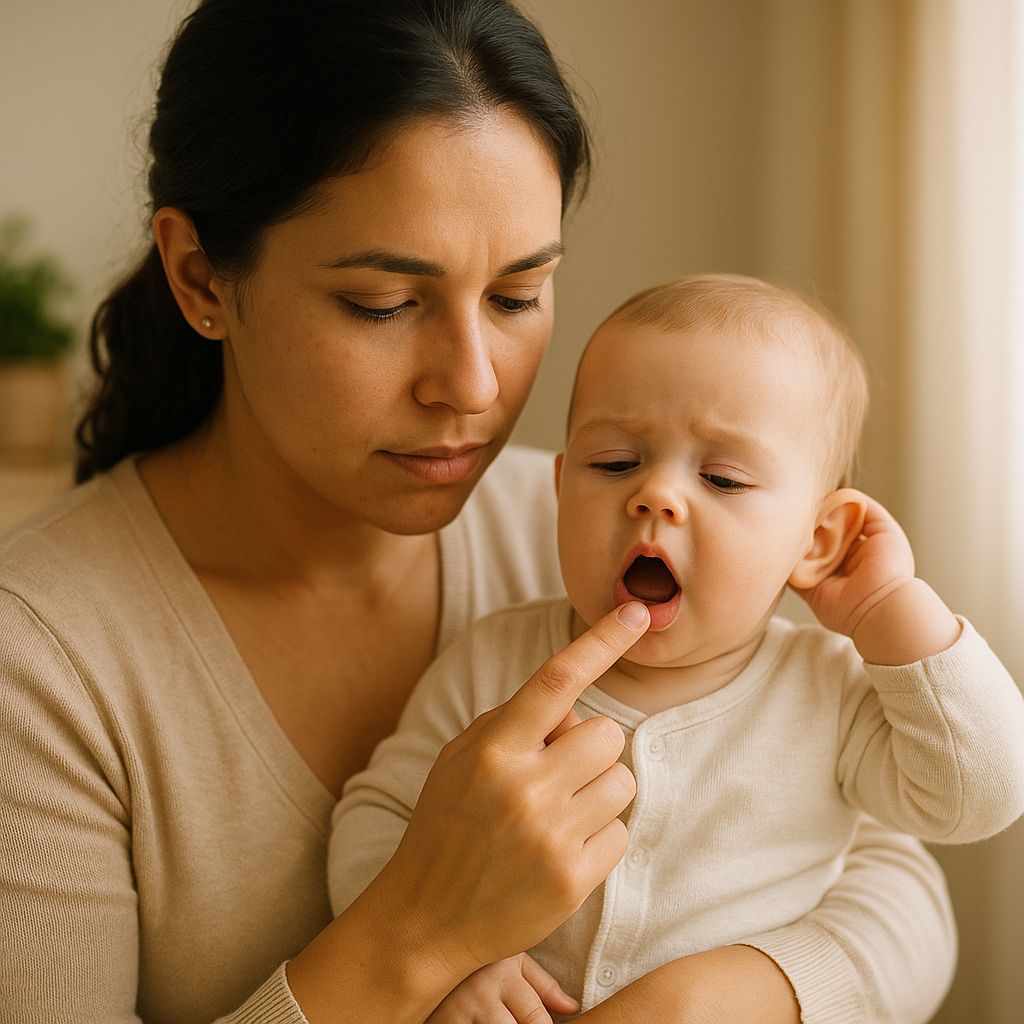
Every parent wants to see their baby smiling, feeding well, and comfortable. So, when mouth ulcers strike, they can turn mealtime and soothing rituals into a challenge. These small, painful sores in the mouth can cause distress for both babies and parents. The good news? Most baby mouth ulcers are not dangerous and can be safely managed at home with simple, effective remedies. In this comprehensive guide, we’ll help you understand the causes of baby mouth ulcers, safe home treatments, when to seek medical help, and how to prevent future occurrences.
What Are Mouth Ulcers in Babies?
Mouth ulcers, also known as aphthous ulcers or canker sores, are small, shallow lesions that appear on the inside of the lips, cheeks, or tongue. They can make feeding, drinking, and even sucking on a pacifier uncomfortable for your little one. While they are common and typically not serious, it’s essential to know how to manage them safely, especially in infants and toddlers.
Common Causes of Mouth Ulcers in Babies
- Viral infections (e.g., hand-foot-and-mouth disease, herpes simplex virus)
- Injury from accidental biting or rough feeding
- Irritation from teething
- Reaction to acidic, spicy, or rough-textured foods
- Poor oral hygiene
- Vitamin deficiencies (especially B vitamins, iron, or folic acid)
- Allergic reactions
Symptoms to Watch for
Recognizing mouth ulcers early can help you take swift action. Common signs include:
- Small, white or yellow sores inside the mouth
- Redness or swelling around the sores
- Increased drooling
- Refusal to feed or breastfeed
- Crankiness or irritability
- Fever (if ulcers are due to infection)
Is It Safe to Treat Baby Mouth Ulcers at Home?
In most cases, mouth ulcers in babies are mild and heal on their own within a week or two. However, there are safe and gentle home treatments that can soothe discomfort and speed up healing. Always avoid harsh chemicals or adult oral gels. If your baby is younger than 6 months or has other symptoms (like high fever or dehydration), consult your pediatrician before trying home remedies.
Safe Home Treatments for Baby Mouth Ulcers
1. Maintain Gentle Oral Hygiene
- Clean Hands and Utensils: Always wash your hands before feeding or treating your baby's mouth.
- Soft Cloth or Gauze: For babies without teeth, wipe their gums gently with moist, sterile gauze after feeds.
- Baby Toothbrush: If your baby has teeth, use a soft-bristled toothbrush designed for infants.
2. Offer Soothing Foods and Drinks
- Breast Milk: Breast milk has natural healing and soothing properties. Offer more frequent, smaller feeds if your baby is fussy.
- Cool Foods: For babies eating solids, offer cool, smooth foods like yogurt, applesauce, or pureed fruits and vegetables (avoid citrus). Cold foods numb discomfort and are easier to swallow.
- Chilled Spoons or Teethers: Let your baby suck on a cold spoon or chilled (not frozen) teething toy to relieve pain.
3. Natural Remedies for Relief
- Coconut Oil: Dab a tiny amount of virgin coconut oil on the ulcer using a clean finger or cotton swab. Its antimicrobial and soothing properties help reduce irritation.
- Honey (for babies over 1 year): Honey has natural antibacterial properties. For children older than 12 months, apply a thin layer directly on the ulcer 2-3 times a day.
- Ghee or Clarified Butter: In some cultures, a tiny amount of pure ghee is safely used to coat ulcers for comfort and healing.
- Aloe Vera Gel: Food-grade aloe vera gel can be dabbed gently on the ulcer to soothe pain (ensure your child is not allergic).
4. Keep Your Baby Hydrated
- Dehydration is a risk if your baby refuses to feed due to mouth pain. Offer breast milk, formula, or water (if age-appropriate) frequently in small amounts.
5. Avoid Irritants and Triggers
- No Acidic or Spicy Foods: Avoid giving citrus fruits, tomatoes, or spicy foods until ulcers heal.
- No Salty or Crunchy Snacks: These can worsen pain and slow healing.
- No Commercial Adult Oral Gels: Many contain benzocaine or lidocaine, which are unsafe for infants.
6. Comfort Measures
- Extra Cuddles: A fussy baby may need more comfort and reassurance during this time.
- Distraction: Play soft music, gentle games, or read favorite books to distract your baby from the discomfort.
When to Consult a Pediatrician
While home care is effective for most cases, seek medical attention if:
- Ulcers are large, numerous, or persist for more than 10 days
- Baby refuses to eat or drink, risking dehydration
- Ulcers are accompanied by high fever, swollen gums, or a rash
- Signs of dehydration appear (dry mouth, no tears when crying, fewer wet diapers)
- Your baby seems excessively lethargic or unwell
Preventing Mouth Ulcers in Babies
Prevention is key to reducing the frequency of mouth ulcers. Here’s how you can protect your little one:
- Good Oral Hygiene: Start cleaning your baby’s mouth and gums early, even before teeth erupt.
- Safe Feeding Practices: Use soft-tipped spoons, avoid force-feeding, and ensure nipples or bottles are clean and undamaged.
- Balanced Diet: Once your baby starts solids, provide a varied diet rich in vitamins and minerals, focusing on B vitamins, iron, and folic acid.
- Avoid Known Triggers: If your child reacts to a certain food, eliminate it from their diet.
- Prevent Viral Infections: Practice good hand hygiene and keep your baby away from sick individuals when possible.
Frequently Asked Questions About Baby Mouth Ulcers
- What causes mouth ulcers in babies?
- Mouth ulcers can be caused by viral infections, accidental bites, teething, food reactions, or vitamin deficiencies. Less commonly, underlying health issues may be a factor.
- How long do baby mouth ulcers take to heal?
- Most ulcers heal within 7 to 10 days with proper home care. Persistent or worsening ulcers need medical attention.
- Can I use honey for my baby's mouth ulcer?
- Honey is safe only for babies older than one year due to the risk of infant botulism in younger babies. For older infants, honey may help soothe ulcers.
- When should I see a doctor for my baby’s mouth ulcer?
- If the ulcers are large, last more than 10 days, interfere with feeding, are accompanied by fever or dehydration, see your pediatrician promptly.
- Are mouth ulcers contagious among babies?
- If ulcers are caused by viral infections, they can be contagious. Avoid sharing toys, utensils, or pacifiers, and practice good hygiene.
Conclusion
Mouth ulcers in babies can be distressing, but most are minor and respond well to gentle, safe home treatments. Maintaining good oral hygiene, providing soft and soothing foods, and using natural remedies can significantly ease discomfort. Remember, your pediatrician is always your best resource if you’re unsure or concerned about your baby’s health. With the right knowledge and care, you can help your little one heal quickly and keep those precious giggles coming.
References
- American Academy of Pediatrics. Oral Health in Children. 2023.
- World Health Organization. Infant and Young Child Feeding: Model Chapter for Textbooks. 2022.
- National Institutes of Health. Oral Ulcers. MedlinePlus, 2023.