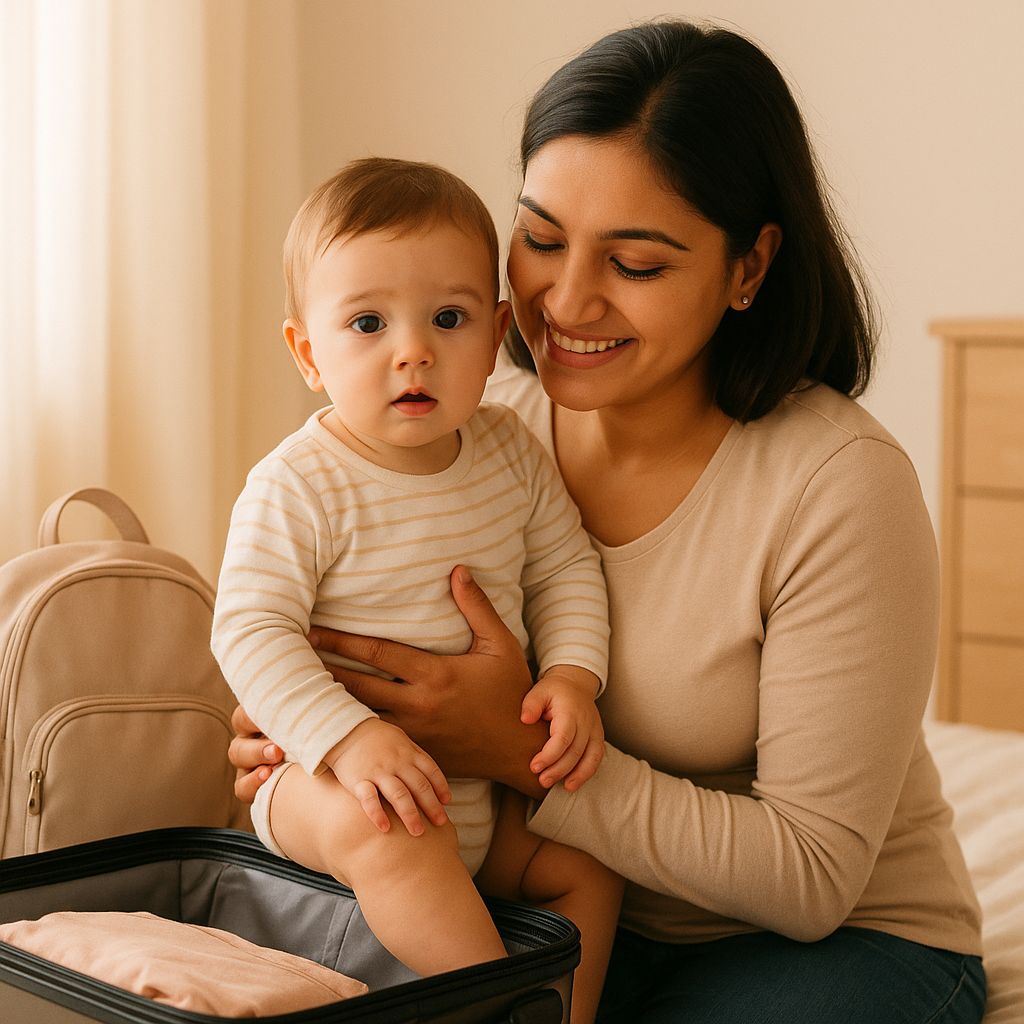

Baby Ko Travel Ke Time Sick Hone Se Kaise Bachayein: Expert Tips for Safe Journeys
Traveling with your baby can be an exciting adventure, but it also brings unique challenges—especially when it comes to keeping your little one healthy and comfortable. Parents often worry about their baby falling sick during travel due to exposure to new environments, germs, and disrupted routines. This comprehensive guide addresses all your concerns and offers expert strategies to protect your baby from illness during travel.
Why Do Babies Get Sick During Travel?
Babies are more vulnerable to illnesses due to their developing immune systems. Travel exposes them to new bacteria, viruses, climate changes, and sometimes crowded places. Factors that contribute to sickness include:
- Stress and fatigue: Disruption in sleep and feeding schedules can weaken immunity.
- Exposure to germs: Airports, trains, buses, and public places may harbor pathogens.
- Climate changes: Sudden temperature shifts can affect a baby's health.
- Motion sickness: Some babies experience discomfort or nausea during travel.
Planning Ahead: Essential Preparations
Proper planning is the first step to safeguard your baby's health during travel:
- Consult your pediatrician: Before travel, discuss your plans with your doctor. Get advice on vaccinations, medications, and emergency procedures.
- Choose the right mode of transport: Consider your baby’s age, health, and comfort. Shorter journeys and direct routes reduce stress.
- Travel timing: Schedule travel during your baby’s nap times for a smoother experience.
- Accommodation: Ensure your destination is baby-friendly, with access to clean water, proper bedding, and medical facilities.
Packing Essentials: Baby Travel Kit
Prepare a well-stocked travel kit to handle common issues and emergencies:
- Diapers and wipes: Pack extra for unexpected delays.
- Feeding supplies: Breast milk, formula, bottles, and sterilizing equipment.
- Medicines: Fever reducer, oral rehydration salts, teething gel, and any prescribed medicines.
- Clothes: Extra sets for changing weather and accidents.
- Blanket and swaddle: For comfort and warmth.
- First-aid kit: Band-aids, antiseptic, thermometer, nasal aspirator.
- Hand sanitizer and disinfectant wipes: For cleaning surfaces and hands.
- Toys and pacifiers: To soothe and entertain your baby.
Maintaining Hygiene: Protecting Against Germs
Hygiene is critical to prevent illness. Follow these tips:
- Wash hands frequently: Use soap and water or hand sanitizer, especially before feeding or changing diapers.
- Disinfect surfaces: Clean seat handles, tray tables, and hotel room surfaces.
- Avoid contact with sick individuals: Keep your baby away from anyone showing symptoms of illness.
- Use clean feeding equipment: Sterilize bottles and pacifiers regularly.
Managing Feeding and Hydration During Travel
Proper feeding is crucial for immunity and comfort:
- Breastfeeding: Offers natural immunity and is convenient during travel.
- Formula feeding: Prepare bottles with boiled water, ensure formula is fresh, and follow hygiene protocols.
- Hydration: Offer regular feeds. If your baby is older than 6 months, provide small sips of water.
- Monitor signs of dehydration: Fewer wet diapers, dry mouth, or irritability.
Dealing with Motion Sickness
Motion sickness is common in babies, especially during car or bus journeys:
- Choose comfortable seating: Place your baby in a rear-facing car seat, preferably in the middle seat.
- Avoid heavy meals before travel: Keep feeds light and frequent.
- Maintain airflow: Keep the car well-ventilated.
- Distract your baby: Use toys or soothing music.
- Consult your doctor: For severe cases, ask about safe medications.
Protecting Against Climate Changes
Sudden weather changes can affect your baby’s health:
- Dress in layers: Adjust clothes based on temperature.
- Carry weather-appropriate gear: Sun hats, raincoats, or warm blankets.
- Monitor baby’s body temperature: Check for signs of overheating or chills.
Preventing Common Travel Ailments
Some common ailments during travel include colds, diarrhea, and skin rashes:
- Colds: Keep your baby away from drafts, feed regularly, and use saline drops for nasal congestion.
- Diarrhea: Practice strict hygiene, use bottled water, and monitor for dehydration.
- Skin rashes: Dress in breathable fabrics, change diapers promptly, and use gentle creams.
Emergency Preparedness: What To Do If Your Baby Falls Sick
Despite all precautions, sometimes babies may still fall sick. Be prepared:
- Know emergency contacts: Locate nearby hospitals or clinics at your destination.
- Carry health records: Keep a copy of your baby’s medical history and vaccination records.
- Monitor symptoms: If your baby develops fever, vomiting, or unusual behavior, seek medical advice immediately.
- Stay calm: Keep your baby comfortable, hydrated, and continue feeding.
Travel Safety Tips for Parents
In addition to health tips, ensure safety throughout your journey:
- Use proper car seats: Always secure your baby in an age-appropriate car seat.
- Keep supervision: Never leave your baby unattended in public places.
- Identify safe play areas: Let your baby crawl or play only in clean, supervised spaces.
- Maintain routines: Try to stick to feeding and sleeping schedules as much as possible.
Common Mistakes To Avoid
- Ignoring pre-travel medical advice.
- Skipping hygiene steps due to convenience.
- Overpacking or underpacking essentials.
- Exposing your baby to extreme weather or crowded places.
- Neglecting signs of sickness or dehydration.
Conclusion
Traveling with a baby doesn’t have to be stressful if you prepare thoughtfully and follow preventive strategies. Advance planning, hygiene, proper feeding, and emergency readiness are the pillars of safe and healthy travel. Remember, your baby’s comfort and health come first—so pack wisely, stay alert, and enjoy your journey together!
Frequently Asked Questions (FAQ)
- Kya air travel baby ke liye safe hai? Generally, air travel is safe for babies older than 2 weeks, unless advised otherwise by your pediatrician. However, ensure proper hydration, feed during take-off/landing to ease ear pressure, and carry necessary medicines.
- Travel ke dauraan baby ko kaise hydrate rakhein? Regularly breastfeed or offer formula, and if your baby is older, give small sips of water. Avoid dehydration by monitoring wet diapers and ensuring they feed on schedule.
- Baby ke travel bag mein kya-kya items honi chahiye? Diapers, wipes, extra clothes, feeding bottles, formula/breast milk, medicines, hand sanitizer, baby blanket, toys, and first-aid kit are essential for any baby travel bag.
- Kya baby ko travel se pehle vaccination zaruri hai? Travel se pehle recommended vaccinations complete karna zaruri hai, especially if you’re traveling to a place with different health risks. Consult your pediatrician for advice.
- Travel ke time baby ko motion sickness ho sakta hai? Yes, kuch babies ko motion sickness ho sakta hai. Symptoms include vomiting, irritability, or excessive crying. Choose comfortable seating, avoid heavy meals before travel, and consult your doctor for remedies.