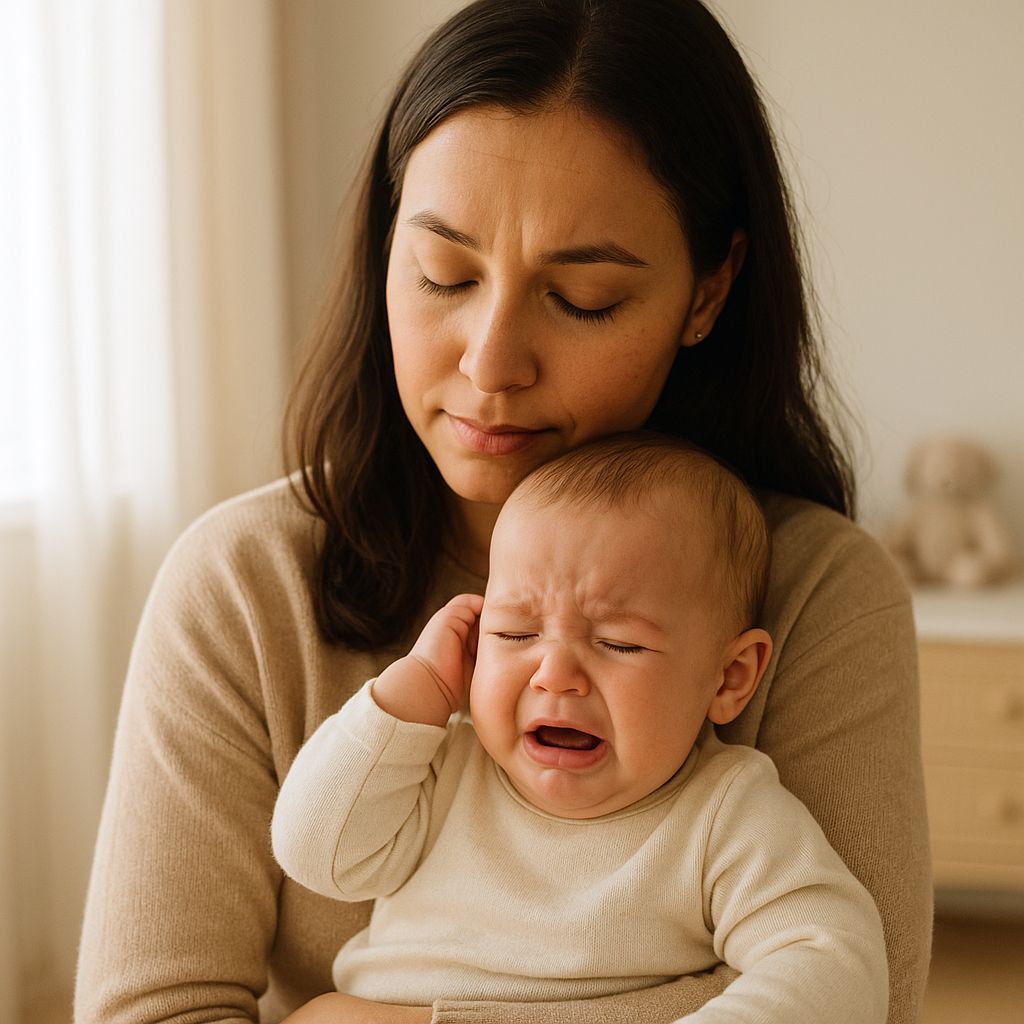

Baby ko Halki si Wheezing Ho Rahi Hai? Home Care Guide for Parents
As a parent, nothing can be more worrisome than hearing your baby struggle with their breathing. If you notice a mild, whistling sound—known as wheezing—while your baby breathes, it’s natural to feel concerned. Wheezing is a high-pitched, musical sound produced when air flows through narrowed breathing tubes in the lungs. It is relatively common in babies and young children, particularly during viral infections or allergic reactions.
Understanding Wheezing in Babies
Wheezing is not a disease in itself, but a symptom indicating that your baby’s airways are narrowed or inflamed. While mild wheezing often resolves on its own, it’s crucial for parents to understand its causes, recognize warning signs, and know how to provide safe and effective home care.
What Does Wheezing Sound Like?
You may hear a soft, high-pitched whistling sound when your baby exhales (breathes out), or sometimes even when they inhale (breathe in). This sound may become more prominent when your baby is crying, feeding, or after physical activity.
Common Causes of Mild Wheezing in Babies
- Viral Respiratory Infections: The most frequent cause, particularly during cold and flu season. Viruses like RSV (Respiratory Syncytial Virus) or the common cold can cause airway inflammation.
- Allergies: Exposure to dust mites, pollen, pet dander, or mold can trigger allergic reactions.
- Asthma: Some babies have underlying asthma, which can cause recurrent wheezing.
- Airway Irritants: Smoke, strong odors, perfumes, or pollution can irritate sensitive airways.
- Gastroesophageal Reflux (GERD): Stomach acid reflux into the throat can cause wheezing in some infants.
- Congenital Airway Issues: Rarely, structural abnormalities can cause persistent wheezing.
When Should You Worry? Warning Signs to Watch For
While mild wheezing often resolves without complications, seek immediate medical attention if your baby shows any of the following:
- Rapid, labored, or noisy breathing
- Poor feeding or refusal to feed
- Bluish or grayish color around lips, tongue, or fingernails
- Lethargy, excessive sleepiness, or unresponsiveness
- Retractions (sucking in of the skin between or below ribs when breathing)
- Grunting or persistent coughing
These can be signs of severe respiratory distress or low oxygen levels.
Home Care Guide: How to Help Your Baby with Mild Wheezing
If your baby is otherwise active, feeding well, and does not have any of the above warning signs, you can try the following home care strategies:
1. Keep Your Baby Hydrated
- Offer breast milk or formula regularly. For babies older than 6 months, small sips of water may be given alongside their usual feeds.
- Hydration helps thin mucus and makes it easier for your baby to breathe and cough it out.
2. Use a Cool-Mist Humidifier
- Place a cool-mist humidifier in your baby’s room, especially during dry seasons or if the air is heated indoors.
- Moist air can ease breathing and soothe irritated airways.
- Clean the humidifier daily to prevent mold or bacteria growth.
3. Keep the Air Clean
- Avoid smoking or vaping around your baby, and keep them away from smoky environments.
- Minimize exposure to dust, incense, perfumes, and strong cleaning products.
- Use air purifiers if your home is prone to dust or pollution.
4. Positioning for Comfort
- Hold your baby upright when feeding or during wheezing episodes, which can help make breathing easier.
- For supervised naps during the day, carrying your baby in a semi-upright position (such as in your arms or a baby carrier) may provide relief.
- Always place your baby on their back to sleep, as per safe sleep guidelines.
5. Gentle Nasal Suction
- If your baby’s nose is congested, use saline drops and a bulb syringe or nasal aspirator to gently clear the mucus.
- This can help your baby breathe more comfortably, especially before feeds and sleep.
6. Maintain a Calm Environment
- Keep your baby away from crowded or noisy places where airborne viruses might spread.
- Ensure your baby gets ample rest to support their immune system.
What NOT to Do
- Do not give any over-the-counter cough, cold, or asthma medications without consulting your pediatrician.
- Avoid using vapor rubs, essential oils, or herbal remedies directly on your baby, as they can cause irritation and are not recommended for infants.
- Do not use hot steam (like from boiling water) as it can be dangerous and cause burns.
Prevention Tips: Reducing the Risk of Wheezing
- Keep your baby’s environment smoke-free.
- Maintain good hand hygiene for all family members to reduce the spread of infections.
- Stay up to date with your baby’s vaccinations, including the flu shot if recommended by your doctor.
- Limit exposure to sick individuals, especially during cold and flu season.
- Regularly clean air filters, bedding, and stuffed toys to minimize dust and allergens.
When to Call the Doctor
Contact your pediatrician if:
- Your baby’s wheezing persists for more than a few days.
- The wheezing gets worse or is accompanied by a high fever (above 100.4°F or 38°C for infants under 3 months).
- Your baby is feeding less, vomiting, or seems more irritable than usual.
- You notice any of the warning signs mentioned above.
Medical Treatments for Wheezing (When Prescribed)
In certain cases, your doctor may recommend:
- Inhaled medications: Like bronchodilators (e.g., salbutamol) delivered via nebulizer for specific conditions.
- Oral medications: Only if indicated for underlying causes like allergies or asthma.
- Hospital care: For severe symptoms, dehydration, or if your baby needs oxygen or close monitoring.
Remember: Never self-medicate your baby. Always follow your doctor’s recommendations.
Frequently Asked Questions
- What are the common causes of mild wheezing in babies?
- Common causes include viral respiratory infections, allergies, exposure to smoke or pollutants, and sometimes asthma. It’s important to observe your baby’s other symptoms and consult a doctor if needed.
- Is mild wheezing in a baby an emergency?
- Mild wheezing alone is usually not an emergency, but if your baby has difficulty breathing, is feeding poorly, or has bluish lips/skin, seek immediate medical attention.
- Can I use a humidifier for my baby’s wheezing?
- Yes, a cool-mist humidifier can help ease breathing by keeping the air moist, but ensure it is cleaned regularly to avoid mold and bacteria growth.
- Should I give my baby any medication for wheezing?
- Never give over-the-counter medications to your baby unless prescribed by a pediatrician. Some medications can be harmful to infants.
- How can I prevent wheezing episodes in my baby?
- Limit exposure to smoke, dust, strong perfumes, and sick individuals. Keep your baby’s environment clean and ensure vaccinations are up to date.
Conclusion: Supporting Your Baby’s Breathing at Home
Mild wheezing in babies is commonly due to temporary airway irritation or viral infections and often resolves with supportive home care. By maintaining a clean, smoke-free environment, ensuring hydration, and monitoring your baby closely, you can help your little one recover comfortably. However, always be vigilant for signs of distress and consult your pediatrician promptly if symptoms worsen or you are concerned. Your attentiveness is key to your baby’s healthy breathing and well-being.