
Baby Fever Home Care: Fluids, Rest and Red Flags Parents Should Know
Few worries are as acute for parents as when their baby develops a fever. The experience can be unsettling—especially for first-time parents—but understanding the essentials of home care, including hydration, rest, and recognizing critical warning signs, can empower families to confidently support their child’s recovery.
What Is Fever, and Why Does It Happen?
Fever is a natural, protective response of the body to infection or illness. For infants and young children, a fever is typically defined as a rectal temperature above 100.4°F (38°C). It signals that the immune system is fighting off invaders, such as viruses or bacteria. While fever itself is not harmful, it is important to monitor your baby closely and ensure they are comfortable and safe.
How to Measure Your Baby’s Temperature Accurately
Proper temperature measurement is vital. For babies under 3 years, a rectal thermometer gives the most accurate reading. Axillary (underarm) and temporal thermometers are alternatives, but may be less reliable. Avoid oral temperature measurement in infants.
- Clean and lubricate the rectal thermometer before use.
- Gently insert the thermometer about 1/2 inch into the rectum.
- Wait for the beep and record the reading.
- Always monitor your child’s behavior and other symptoms alongside the number.
Fluid Management: Hydration Is Key
Fever increases fluid loss through sweat and rapid breathing, making dehydration a real risk for babies. Keeping your infant well-hydrated is a cornerstone of fever management.
For Newborns and Young Infants (<6 months)
Breast milk or formula should be offered frequently. These provide not only hydration but essential nutrients and immune support. Do not give water to infants under 6 months unless directed by a healthcare provider.
For Older Babies (6+ months)
In addition to breast milk or formula, small amounts of water and oral rehydration solutions (like Pedialyte) can be given if your baby is eating solids. Avoid fruit juices, sodas, and sugary drinks, which can worsen dehydration.
Signs of Dehydration in Babies
- Dry mouth and lips
- Less frequent wet diapers (fewer than 4 in 24 hours)
- Sunken soft spot (fontanelle) on the head
- No tears when crying
- Lethargy or irritability
If you notice signs of dehydration, contact your pediatrician immediately.
Rest: Promoting Recovery
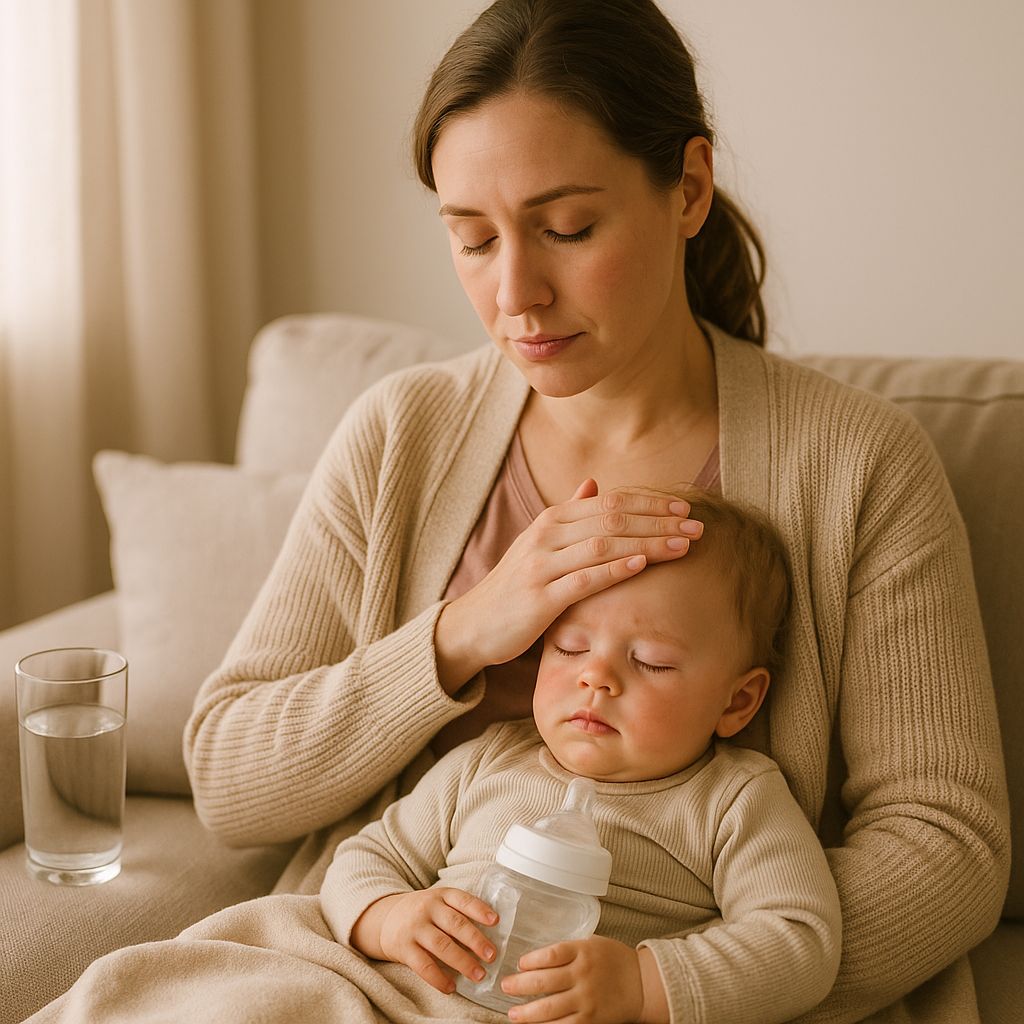
Rest is a critical component of healing. Babies with fever often appear sleepy and less active. This is normal—let them sleep as much as they need.
Creating a Restful Environment
- Keep the room quiet and comfortably cool (not cold).
- Dress your baby in light clothing; avoid heavy blankets or layers.
- Offer comfort through cuddling, rocking, and gentle reassurance.
- Maintain regular feeding schedules, but do not force feed.
Allow your baby to rest undisturbed. Overstimulation or frequent waking can prolong recovery.
Medications: When and How to Use Fever Reducers
Fever reducers, such as acetaminophen (Tylenol) or ibuprofen (Motrin), can be used to improve comfort—not necessarily to normalize temperature. Never give aspirin to children, due to risk of Reye's syndrome.
- Acetaminophen is safe for infants older than 3 months. Ibuprofen is safe for babies older than 6 months.
- Use only the dosing syringe provided and follow your pediatrician’s instructions.
- Do not alternate medications unless advised by a healthcare professional.
Medication can help your child eat, drink, and rest better, but is not always required if they are comfortable.
Red Flags: When to Seek Medical Attention
Most fevers in babies are caused by viral infections and resolve on their own. However, certain symptoms demand urgent evaluation:
- Fever in babies younger than 3 months (any temperature above 100.4°F)
- Difficulty breathing or persistent coughing
- Seizures or convulsions
- Persistent vomiting or diarrhea
- Signs of dehydration (see above)
- Lethargy: baby is difficult to wake, unresponsive, or very weak
- Rash that does not blanch (fade) when pressed
- Bulging fontanelle or stiff neck
- High-pitched crying or inconsolable irritability
If your baby displays any of these symptoms, seek medical care immediately.
Common Causes of Fever in Babies
Understanding possible causes can help inform your response:
- Viral infections: Most common, including colds, flu, or gastroenteritis.
- Bacterial infections: Such as ear infections, pneumonia, or urinary tract infections.
- Teething: May cause a mild rise in temperature, but not true fever.
- Vaccinations: Fevers can occur after immunizations, usually mild and short-lived.
Always observe your baby’s overall behavior, not just temperature alone.
Practical Home Care Tips: Step-by-Step Guide
- Monitor Temperature: Check every 4-6 hours. Write down readings and note any changes in behavior.
- Offer Fluids: Breastfeed or give formula as often as your baby wants. For older infants, supplement with water or oral rehydration solutions if recommended.
- Promote Rest: Keep your baby comfortable and let them sleep.
- Watch for Red Flags: Know when to call your doctor or seek emergency care.
- Medication as Needed: Use fever reducers for comfort, following medical guidance.
- Keep Clean: Wash hands frequently. Clean feeding bottles and pacifiers.
- Limit Visitors: Avoid exposing your sick baby to others.
What Not to Do When Your Baby Has a Fever
- Do not use cold baths or ice packs; these can cause shivering and discomfort.
- Do not overdress or bundle your baby.
- Do not give medications for fever without consulting your pediatrician.
- Do not ignore changes in behavior or feeding patterns.
- Do not wait to seek help if your instincts tell you something is wrong.
Supporting Recovery: What to Expect
Most fevers resolve within 3-5 days. Your baby’s appetite may decrease; this is normal. Focus on fluids and rest rather than food. Watch for gradual improvement in activity and mood. If fever lasts longer than 5 days, or your baby’s symptoms worsen, call your healthcare provider.
Frequently Asked Questions
- What fluids are best for babies with fever?
- For infants under 6 months, breast milk or formula is best. For older babies, water and electrolyte solutions may be recommended in addition to usual feeds. Avoid sugary drinks and juices.
- When should I worry about my baby's fever?
- Seek immediate medical care if your baby is under 3 months with a fever, shows signs of dehydration, has difficulty breathing, persistent vomiting, or is lethargic and unresponsive.
- Can I give medication to reduce my baby's fever?
- Consult your pediatrician before giving any medication. Acetaminophen or ibuprofen may be used for comfort in babies older than 3 or 6 months, respectively, but dosing and safety must be strictly followed.
- How can I help my baby rest when they have a fever?
- Create a calm environment, keep the room comfortable, and avoid overstimulation. Hold, cuddle, and offer feeds as needed. Let your baby sleep as much as they wish during recovery.
Conclusion: Trust Your Instincts and Stay Informed
Fever is a common childhood symptom, but it can be safely managed at home with attentive care. Prioritize fluids, rest, and careful monitoring. Know the red flags—and trust your parental instincts. If you ever feel uncertain, reach out to your pediatrician. With calm, informed action, you can help your baby recover comfortably and safely.