
Baby Feeding Guide: What and When to Feed
Feeding your baby is one of the most important—and sometimes most confusing—tasks as a parent. From the newborn days to the toddler years, your child’s nutritional needs evolve quickly. If you’ve ever wondered what and when to feed your baby, you’re not alone! This comprehensive baby feeding guide will walk you through each stage, offer expert tips, and answer common questions so you can confidently nourish your little one.
Why Baby Feeding Matters
Your baby’s nutrition is the foundation for healthy growth, brain development, and future eating habits. The early years are a time of rapid physical and mental change, so offering the right food at the right time is key. Whether you’re breastfeeding, formula feeding, or starting solids, understanding your baby’s needs helps set them up for a lifetime of wellness.
Stages of Baby Feeding
- Newborn (0-6 months): Breast milk or formula only
- Infant (6-12 months): Gradual introduction of solids alongside breast milk/formula
- Toddler (12+ months): Transition to family foods, focus on balanced nutrition
Newborn Feeding (0-6 Months)
What to Feed
For the first 6 months, your baby’s diet should be exclusively breast milk or infant formula. These provide all the nutrients your baby needs during this stage. Breast milk offers antibodies that protect against illness, and formula is specially designed to mimic breast milk nutrients.
When to Feed
- Newborns: Feed every 2-3 hours (8-12 times per day)
- By 2-4 months: Feeding frequency may decrease to every 3-4 hours
Let your baby’s hunger cues guide you. Signs include rooting, sucking motions, and putting hands to mouth. Crying is often a late sign of hunger.
Tips for Breastfeeding
- Offer both breasts each feeding session
- Watch for proper latch to avoid soreness
- Stay hydrated and well-nourished yourself
- Seek support from lactation consultants if needed
Tips for Formula Feeding
- Follow package instructions for preparation
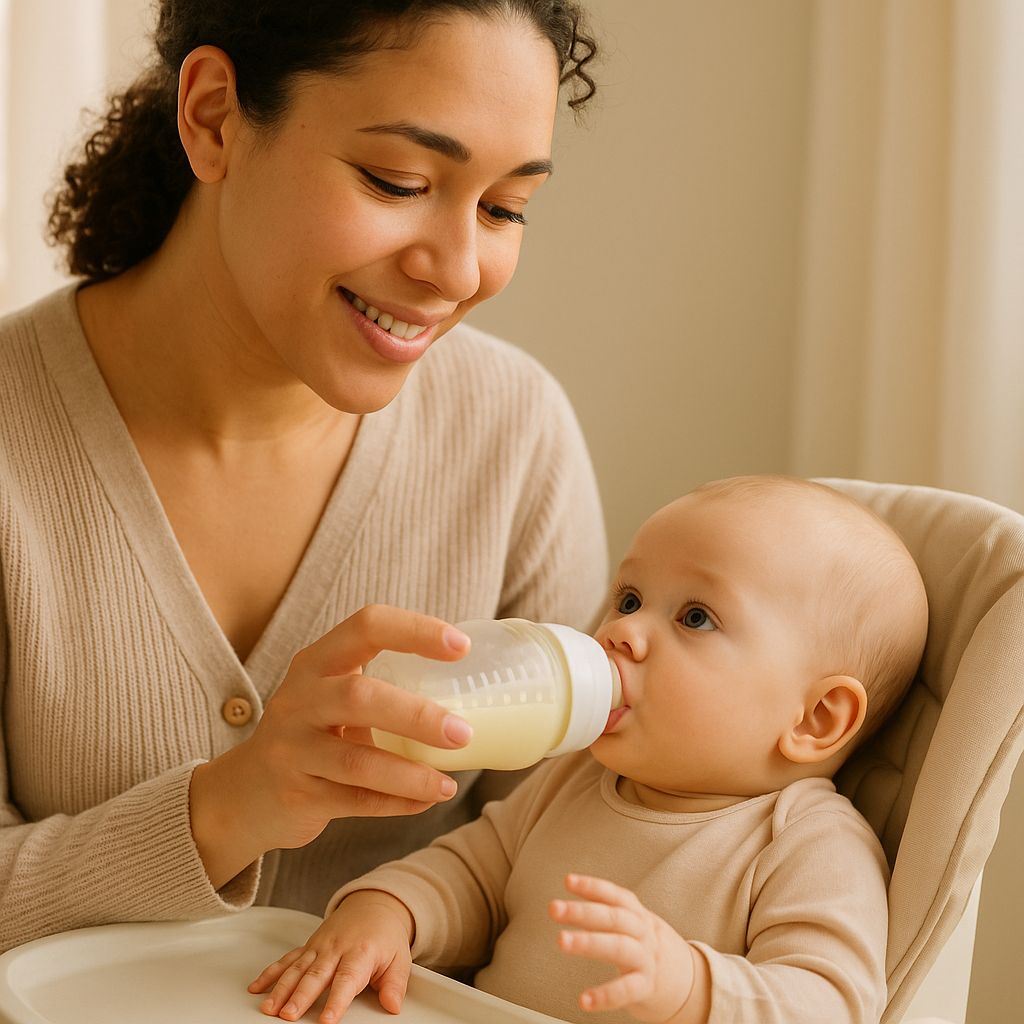
- Hold your baby upright during feeds
- Never prop bottles—risk of choking
- Discard unused formula after an hour
Introducing Solids (6-12 Months)
Signs Your Baby Is Ready
- Can sit up with minimal support
- Shows interest in food, reaches for it
- Lost the tongue-thrust reflex
- Can hold head up steadily
What to Feed
Start with simple, single-ingredient foods. Common first foods include:
- Iron-fortified baby cereal (rice, oatmeal, barley)
- Pureed vegetables (carrots, peas, sweet potatoes)
- Pureed fruits (bananas, apples, pears)
- Pureed meats or beans
Continue breast milk or formula alongside solids until 12 months.
How to Introduce Solids
- Offer solids once a day, gradually increasing to 2-3 times
- Use a small spoon and soft, smooth textures
- Wait 3-5 days between new foods to watch for allergies
- Include iron-rich foods as first choices
Feeding Schedule Example (6-8 Months)
| Time | Feed |
|---|---|
| Morning | Breast milk/formula + iron-fortified cereal |
| Midday | Breast milk/formula + pureed veggies |
| Afternoon | Breast milk/formula + pureed fruit |
| Evening | Breast milk/formula |
Finger Foods (8-12 Months)
As your baby develops a pincer grasp, introduce soft finger foods:
- Small pieces of banana, avocado, cooked carrots
- Soft scrambled eggs
- Small pieces of toast
- Cheese (in small, soft cubes)
Always supervise your baby while eating and avoid choking hazards.
Toddler Feeding (12+ Months)
What to Feed
- Whole milk (unless advised otherwise by your pediatrician)
- Family foods in small, manageable pieces
- Fruits and vegetables daily
- Whole grains (bread, pasta, rice)
- Protein sources (meat, fish, eggs, beans, tofu)
Limit sugar, salt, and processed foods. Continue offering a variety of foods to encourage healthy eating habits.
When to Feed
- Three meals per day
- 2-3 healthy snacks
Let your toddler decide how much to eat. Portion sizes will vary—don’t stress if they eat a little or a lot.
Sample Toddler Feeding Schedule
| Meal | Food Example |
|---|---|
| Breakfast | Whole grain toast, scrambled egg, fruit |
| Snack | Yogurt, berries |
| Lunch | Chicken, steamed veggies, rice |
| Snack | Cheese, apple slices |
| Dinner | Fish, sweet potato, peas |
Common Feeding Challenges
Picky Eating
Picky eating is normal, especially for toddlers. Offer a variety of foods without pressure. It can take up to 15 tries for a child to accept a new food!
Food Allergies
Introduce common allergens (egg, peanut, soy, wheat, fish, dairy) one at a time after 6 months. Watch for signs of allergic reactions: rash, swelling, vomiting, or difficulty breathing. If you have a family history of allergies, consult your pediatrician first.
Choking Hazards
- Cut foods into small, manageable pieces
- Avoid whole grapes, hot dogs, nuts, popcorn, and hard candies under age 4
- Always supervise eating
Expert Tips for Successful Feeding
- Follow your baby’s cues, not the clock
- Make mealtimes pleasant and stress-free
- Offer new foods with foods your baby already likes
- Keep trying! It’s normal for babies to reject foods at first
- Be mindful of portion sizes—babies have small stomachs
- Model healthy eating as a family
Frequently Asked Questions
- When can I introduce solids to my baby?
- Most babies are ready for solid foods around 6 months old, but always consult your pediatrician for guidance based on your baby's individual development.
- Should I breastfeed or formula feed my baby?
- Both breastfeeding and formula feeding can provide adequate nutrition. The best choice depends on your situation, preferences, and medical advice. Some parents combine both methods.
- How often should I feed my baby?
- Newborns typically feed every 2-3 hours. As babies grow, feeding frequency decreases. Follow your baby's hunger cues and adjust as needed.
- What are signs my baby is ready for solid foods?
- Signs include sitting up with support, showing interest in food, losing the tongue-thrust reflex, and being able to hold their head up steadily.
- Are there foods I should avoid giving my baby?
- Avoid honey before age 1, cow's milk as a main drink before 12 months, choking hazards (like whole grapes), and foods high in salt or sugar.
Final Thoughts
Feeding your baby doesn’t have to be a stressful experience. With a little knowledge and a lot of patience, you’ll help your child develop healthy habits and a love for good food. Remember, every baby is unique—what works for one may not work for another. Trust your instincts, consult your pediatrician with concerns, and enjoy this special bonding time.
For more tips, recipes, and expert advice, check out the rest of Growing Giggles!