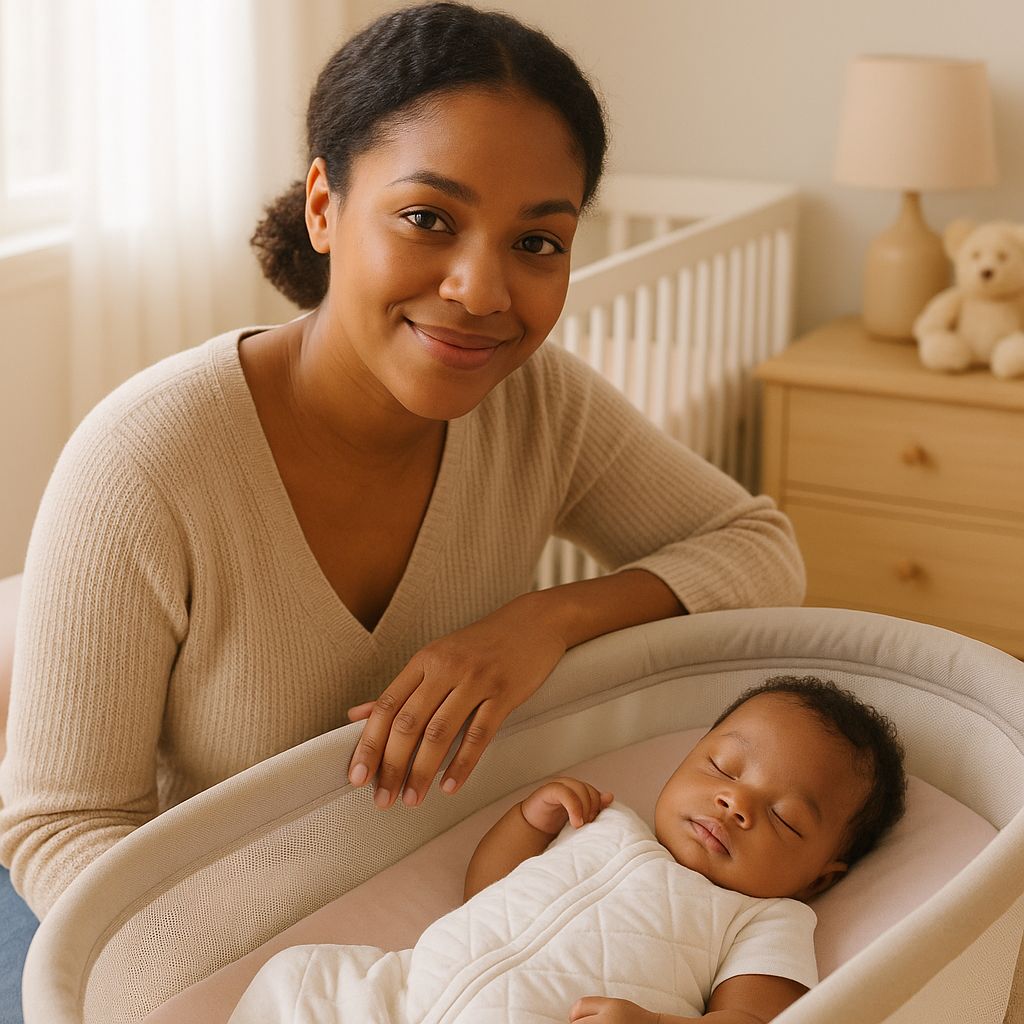

Baby Essentials That Help During Sleep Challenges
Sleep challenges are a rite of passage for every parent. Whether you have a newborn waking every hour, a baby struggling with teething, or a toddler resisting bedtime, these moments can feel overwhelming. The good news? The right baby essentials can transform sleepless nights into more restful, soothing experiences for both baby and parent. In this comprehensive guide, we'll explore expert-recommended products, practical tips, and the science behind what truly helps—so you can build your toolkit for better sleep.
Understanding Baby Sleep Challenges
Babies experience sleep disruptions for many reasons, including:
- Developmental leaps
- Growth spurts
- Teething discomfort
- Separation anxiety
- Changes in routine or environment
While these challenges are normal, they can leave families exhausted. Fortunately, a thoughtful selection of baby sleep essentials can help soothe, comfort, and support restful nights. Let's dive into the must-have products for each stage and situation.
Swaddles and Sleep Sacks: Comfort & Security
Swaddling is a time-tested technique that mimics the cozy feeling of the womb, calming the startle reflex and helping babies drift into sleep. Modern swaddles are designed for safety and ease of use:
- Traditional Swaddles: Soft, breathable muslin cloth wraps that allow you to customize snugness.
- Velcro or Zipper Swaddles: Convenient for quick changes and consistent fit, reducing risk of loose fabric.
- Sleep Sacks: Ideal for older babies, these wearable blankets keep little ones warm without the hazards of loose bedding.
When choosing swaddles and sleep sacks, look for:
- Breathable, hypoallergenic materials
- Easy-to-use closures
- Proper sizing (too tight or too loose can be unsafe)
Always transition out of swaddling as soon as your baby shows signs of rolling over.
White Noise Machines: Creating a Sleep Sanctuary
Babies are accustomed to the rhythmic sounds of the womb. White noise machines replicate this calming environment, masking household noises and signaling it's time to rest. Key features to consider:
- Volume Control: Choose a device with adjustable volume to avoid overstimulation.
- Sound Variety: Options like gentle rain, ocean waves, or lullabies can help you find the perfect match.
- Timer Functions: Automatic shut-off prevents unnecessary overnight use.
Place the machine at a safe distance from your baby's crib, and keep volume below 50 decibels (about the level of a soft conversation).
Pacifiers: Instant Comfort & Sleep Support
Pacifiers offer immediate soothing for many babies, providing comfort during sleep transitions and middle-of-the-night wake-ups. When used safely, they can:
- Reduce the risk of Sudden Infant Death Syndrome (SIDS)
- Help babies self-soothe
- Ease teething discomfort
Choose pacifiers made from BPA-free materials and designed for your baby's age. Regularly inspect for wear, and always follow safe sleep guidelines.
Blackout Curtains: Darkness for Deeper Sleep
Light exposure disrupts melatonin production, making it harder for babies to fall and stay asleep. Blackout curtains are an effortless way to create a sleep-friendly environment:
- Block outside light and street noise
- Support nap time consistency
- Help babies distinguish day from night
Install blackout curtains in your nursery and consider portable options for travel.
Breathable Crib Bedding: Safety & Comfort
Safe sleep guidelines recommend a firm mattress and fitted sheet, free of loose blankets or pillows. Breathable bedding reduces overheating and improves comfort:
- Organic cotton sheets
- Waterproof yet breathable mattress covers
- Mesh crib liners (only if recommended by your pediatrician)
Avoid items that can pose suffocation risks. When in doubt, keep the crib simple and safe.
Humidifiers & Air Purifiers: Healthy Air for Restful Nights
Air quality plays a crucial role in sleep. Humidifiers prevent dry air, especially during winter months, and air purifiers remove allergens, dust, and pet dander. Look for:
- Cool-mist humidifiers (safer for babies)
- HEPA filters in air purifiers
- Regular cleaning and maintenance
Improved air quality can reduce congestion, coughing, and eczema flare-ups—helping your baby sleep more soundly.
Night Lights: Gentle Guidance for Nighttime Wakings
As babies grow, gentle night lights can provide comfort and help parents navigate feedings or diaper changes without overstimulating the child. Choose:
- Soft, warm hues (avoid blue light)
- Dimmer controls
- Portable options for travel
A night light eases transitions and encourages self-soothing as your baby learns to settle back to sleep.
Sleep Training Tools: Consistency & Support
For families ready to implement gentle sleep training, tools like:
- Sleep clocks: Teach older babies and toddlers when it's time to rest or wake.
- Routine charts: Visual cues for bedtime steps.
- Comfort objects: A special blanket or lovey (for babies over 12 months) provides security.
Consistency is key. Pair these tools with a calming bedtime routine for best results.
Expert Tips for Managing Sleep Challenges
- Observe your baby's cues: Sleep needs change with age; adjust routines and products accordingly.
- Maintain a consistent bedtime routine: Bath, books, and cuddles signal it's time to wind down.
- Use sleep essentials as part of your overall strategy: Products are most effective when paired with routines and responsive care.
- Stay patient: Sleep challenges are temporary. With the right support, restful nights return.
- Consult your pediatrician: For persistent sleep issues or safety concerns, seek professional guidance.
Real-Life Success Stories
Parenting communities share countless stories of how sleep essentials changed their nights:
"The white noise machine was a game-changer. My baby went from waking every hour to sleeping for four-hour stretches."
"Swaddling helped soothe my fussy newborn. It made him feel safe and supported—finally, we could both rest."
"Blackout curtains and a consistent routine made nap times easy. My toddler knows when it's time to wind down."
These stories remind us: every baby is unique, but a supportive sleep environment makes a difference.
How to Choose the Right Sleep Essentials
With so many products on the market, look for essentials that:
- Meet safety standards (check certifications and recalls)
- Fit your baby's age and developmental stage
- Are easy to clean and maintain
- Suit your family's lifestyle (travel-friendly, budget-conscious, etc.)
Reviews from other parents, expert recommendations, and your own observations will guide you to the right choices.
When to Seek Additional Support
If sleep challenges persist despite your efforts, consult your pediatrician. Signs that warrant attention:
- Frequent, prolonged wake-ups
- Difficulty breathing or persistent congestion
- Signs of discomfort, pain, or illness
- Developmental concerns
Professional guidance ensures your baby’s health and well-being.
Conclusion: Restful Nights Are Possible
Sleep challenges are part of raising children, but you don’t have to navigate them alone. The right baby essentials—swaddles, white noise machines, blackout curtains, and more—provide comfort and support when you need it most. Pair these tools with warmth, patience, and consistent routines, and you'll give your child (and yourself) the gift of restful nights. Remember, every family is unique; trust your instincts, lean on expert advice, and celebrate small victories along the way.