
Avoiding Common Travel Risks with Babies: Essential Tips for Safe Family Adventures
Traveling with babies is a rewarding experience that fosters family bonding and exposes your child to new environments. However, it also brings unique risks that require careful planning and vigilance. Whether you are embarking on a road trip, flying overseas, or exploring local destinations, understanding and avoiding common travel risks with babies is crucial for a safe and enjoyable journey.
Why Travel Risks Are Higher for Babies
Babies are more susceptible to illness, injury, and environmental stressors than older children or adults. Their immune systems are still developing, they have less ability to regulate body temperature, and their routines are easily disrupted by changes in environment and schedule. As a parent, your role is to anticipate these risks and take proactive measures to minimize them.
1. Health Risks: Germs, Illness, and Dehydration
Exposure to Germs and Illness
Airports, public transportation, and crowded tourist spots are breeding grounds for germs. Babies, especially under six months, have limited immunity and are vulnerable to respiratory infections, gastrointestinal illnesses, and other communicable diseases.
- Prevention: Maintain strict hygiene by washing hands frequently and using hand sanitizer. Avoid contact with sick individuals and minimize time in crowded spaces.
- Vaccinations: Ensure your baby’s vaccinations are up-to-date. For international travel, consult your pediatrician about destination-specific immunizations.
- Bring Essentials: Pack antibacterial wipes, baby-safe disinfectant, and extra clothing in case of spills.
Dehydration and Nutrition
Travel disrupts feeding routines and increases the risk of dehydration. Changes in climate, air conditioning, and increased activity can also stress your baby's body.
- Keep breastfed and formula-fed babies on their usual schedule as much as possible.
- Offer water to babies old enough for it, especially in hot climates.
- Monitor signs of dehydration: fewer wet diapers, dry mouth, or lethargy.
2. Environmental Risks: Sun, Heat, Cold, and Insects
Sunburn and Heatstroke
Babies’ skin is delicate, and they are prone to sunburn and overheating. Even brief exposure can cause burns or heat exhaustion.
- Dress your baby in lightweight, sun-protective clothing and a wide-brimmed hat.
- Apply baby-safe sunscreen to exposed skin (for babies over 6 months).
- Keep your baby in the shade whenever possible.
- Never leave your baby in a parked car, even briefly.
Cold Weather Risks
Cold environments can lead to hypothermia or frostbite. Babies lose heat faster than adults and may not show obvious signs of discomfort.
- Layer clothing and use thermal wear for colder climates.
- Keep extremities (hands, feet, head) covered.
- Monitor for signs of cold stress: pale skin, shivering, lethargy.
Insect Bites and Disease
Traveling to tropical or rural areas exposes babies to insect-borne diseases like malaria, dengue, or Zika.
- Use mosquito nets around sleeping areas.
- Apply insect repellent approved for infants.
- Dress your baby in long sleeves and pants in high-risk areas.
- Consult your pediatrician for destination-specific recommendations.
3. Transportation Risks: Car, Air, and Public Transit
Car Travel
Car accidents remain a leading cause of injury during travel. Proper car seat usage is non-negotiable for safety.
- Use a rear-facing, age-appropriate car seat, installed according to manufacturer instructions.
- Never hold your baby in your lap while driving.
- Take breaks every 2 hours to avoid fatigue and allow your baby to stretch.
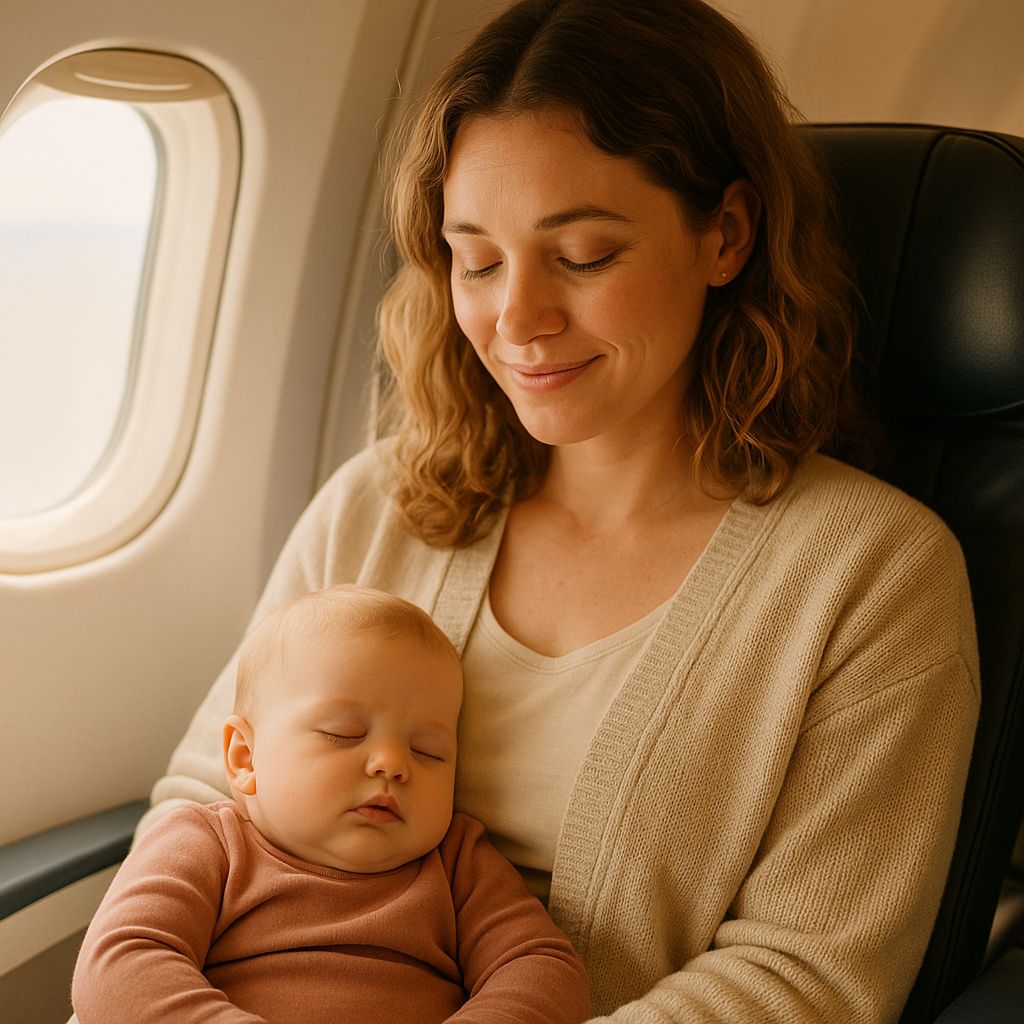
Air Travel
Flying presents risks such as ear pain, dehydration, and exposure to germs.
- Feed your baby during takeoff and landing to help with ear pressure.
- Bring extra formula, breast milk, or snacks.
- Sanitize hands and surfaces regularly.
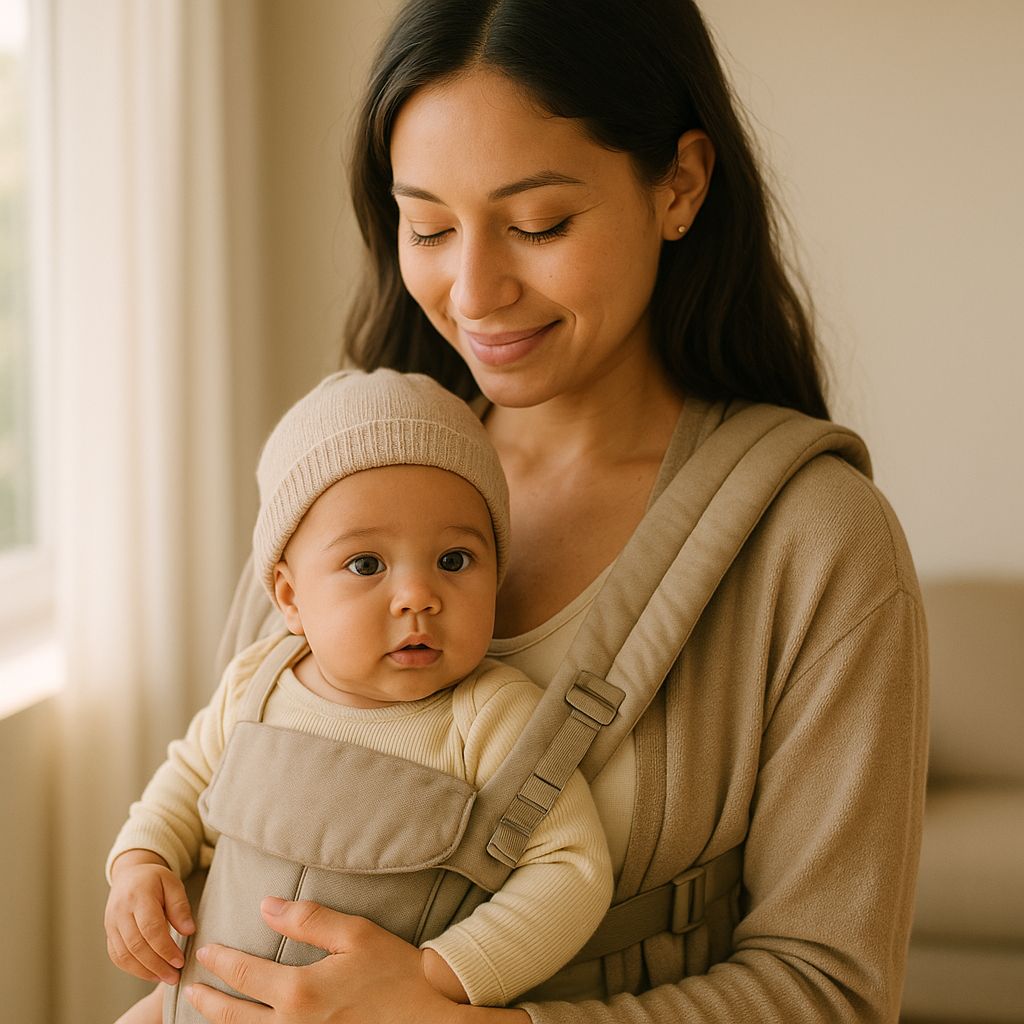
- Use a baby carrier to keep your child secure during turbulence.
Public Transit
Buses, trains, and taxis often lack proper safety restraints for babies.
- Bring your own portable car seat or travel harness.
- Secure your baby as best as possible in unfamiliar vehicles.
- Be vigilant in crowded stations and platforms.
4. Accommodation Risks: Hotels, Rentals, and Campsites
Accommodations can pose hidden risks: unsafe cribs, exposed electrical outlets, and unfamiliar surroundings.
- Inspect the room for hazards upon arrival: cords, outlets, sharp edges, and choking hazards.
- Request a crib that meets safety standards or bring a portable travel crib.
- Keep emergency contact information and a first-aid kit accessible.
5. Emergency Preparedness: Medical Care and Local Protocols
Emergencies can happen anywhere. Know how to access medical help wherever you travel.
- Research local hospitals and clinics before your trip.
- Carry a list of emergency numbers and your baby's medical information.
- Consider travel insurance that covers pediatric emergencies.
- Learn basic first-aid for infants.
6. Packing for Safety: Essentials for Minimizing Risk
Smart packing is the foundation of safe travel with babies. Your checklist should include:
- Health: Medications, thermometer, baby-safe pain relievers, oral rehydration salts.
- Hygiene: Diapers, wipes, hand sanitizer, disinfectant.
- Comfort: Blankets, pacifiers, favorite toys.
- Safety Gear: Car seat, stroller, baby carrier, mosquito net.
- Sun and Weather: Sunscreen, hats, layers, rain cover.
- Documentation: Health records, insurance details, permission for medical treatment if traveling without both parents.
7. Routine and Comfort: Reducing Stress and Anxiety
Babies thrive on consistency. Travel can disrupt sleep schedules, feeding times, and familiar routines, increasing stress and risk of illness.
- Stick to your baby’s sleep and feeding schedule as much as possible.
- Bring familiar items from home to soothe your baby.
- Allow extra time for transitions and avoid overscheduling.
8. Destination-Specific Risks: Urban vs. Rural, Domestic vs. International
Different destinations present unique challenges:
- Urban: Pollution, noise, crowded spaces, traffic hazards.
- Rural: Limited healthcare, wildlife, insect exposure, uneven terrain.
- International: Language barriers, different medical standards, unfamiliar foods, local disease outbreaks.
Research your destination thoroughly, consult your pediatrician, and adjust your plans based on the risks present.
9. Navigating Emergencies: What to Do If Your Baby Gets Sick or Injured
Even with careful planning, emergencies can happen. Stay calm and act quickly:
- Know the nearest healthcare facility and how to get there.
- Carry your baby’s medical history and insurance information.
- For minor issues, use your first-aid kit and call your pediatrician for advice.
- For serious emergencies, call local emergency services and seek immediate care.
10. Expert Insights: Consulting Your Pediatrician
Before any trip, schedule a pre-travel consultation with your pediatrician. Discuss:
- Vaccinations and destination-specific health risks.
- Strategies for managing routine disruptions.
- Medications to bring and signs of illness to watch for.
Conclusion: Safe Travels Begin with Informed Parenting
Traveling with babies requires extra vigilance, but the rewards are immense. By anticipating common travel risks, preparing thoroughly, and staying informed, you can create safe, enriching experiences for your family. Remember: preparation, flexibility, and expert guidance are your best allies for avoiding travel hazards and ensuring your baby’s health and happiness.
Further Reading
Frequently Asked Questions
- What are the most common travel risks for babies?
- The most common travel risks for babies include exposure to germs and illnesses, dehydration, sunburn, temperature extremes, unsafe accommodations, and transportation-related hazards such as improper car seat usage.
- How can I keep my baby healthy while traveling?
- Maintain strict hygiene, ensure up-to-date vaccinations, keep your baby hydrated, avoid exposure to sick individuals, and pack all necessary medications and health supplies. Choose safe, clean accommodations and always use appropriate safety gear during transit.
- Are there specific precautions for international travel with babies?
- Yes. Consult your pediatrician about destination-specific vaccinations and health risks. Learn about local healthcare facilities, carry translations of medical documents, and avoid areas with known disease outbreaks or unsafe water.
- What should I pack to minimize travel risks with a baby?
- Pack essentials like baby medications, first-aid supplies, hygiene products, sun protection, insect repellent (baby-safe), weather-appropriate clothing, portable safety gear (car seat, stroller), and comfort items to reduce stress.