
How to Adjust Feeding Schedules While Traveling: A Parent’s Guide
Traveling with children is an adventure in itself—one that can be both rewarding and challenging. Among the top concerns for parents is how to adjust feeding schedules while traveling. Whether you’re crossing time zones, enduring long road trips, or navigating airport layovers, maintaining your child’s nutrition and comfort is essential for a smoother journey. This comprehensive guide offers expert strategies tailored to infants, toddlers, and older children, helping families stay nourished, happy, and healthy on the go.
Why Feeding Schedules Matter When Traveling
Children thrive on routine, and mealtimes are a cornerstone of their daily rhythm. Consistent feeding schedules support healthy digestion, energy, mood, and sleep—factors that can become disrupted during travel. Sudden changes, jet lag, and unfamiliar environments may throw off hunger cues, making it important for parents to plan ahead and remain flexible.
Common Challenges of Feeding While Traveling
- Time Zone Changes: Jet lag can impact hunger and sleep; children may wake up hungry in the middle of the night or refuse meals at local times.
- Travel Delays: Flights, trains, or car rides often run longer than expected, disrupting meal and snack times.
- Lack of Familiar Foods: Picky eaters may struggle with new cuisines or unfamiliar ingredients.
- Limited Facilities: Breastfeeding, bottle warming, or preparing special diets can be tricky in transit.
Pre-Trip Planning: Setting Up for Success
- Research Your Destination: Learn about available foods, grocery stores, and restaurants. If your child has allergies or dietary restrictions, locate safe options ahead of time.
- Pack Wisely: Bring enough formula, breast milk, or shelf-stable snacks to cover the journey and unforeseen delays. Don’t forget utensils, bibs, bottles, wipes, and a spill-proof water bottle.
- Adjust Gradually (for Time Zones): If crossing time zones, shift your child’s feeding schedule by 15-30 minutes daily a few days before departure.
- Discuss with Your Pediatrician: For infants or children with special health needs, ask your pediatrician for personalized feeding advice.
Strategies by Age Stage
Infants (0-12 Months): Feeding on the Go
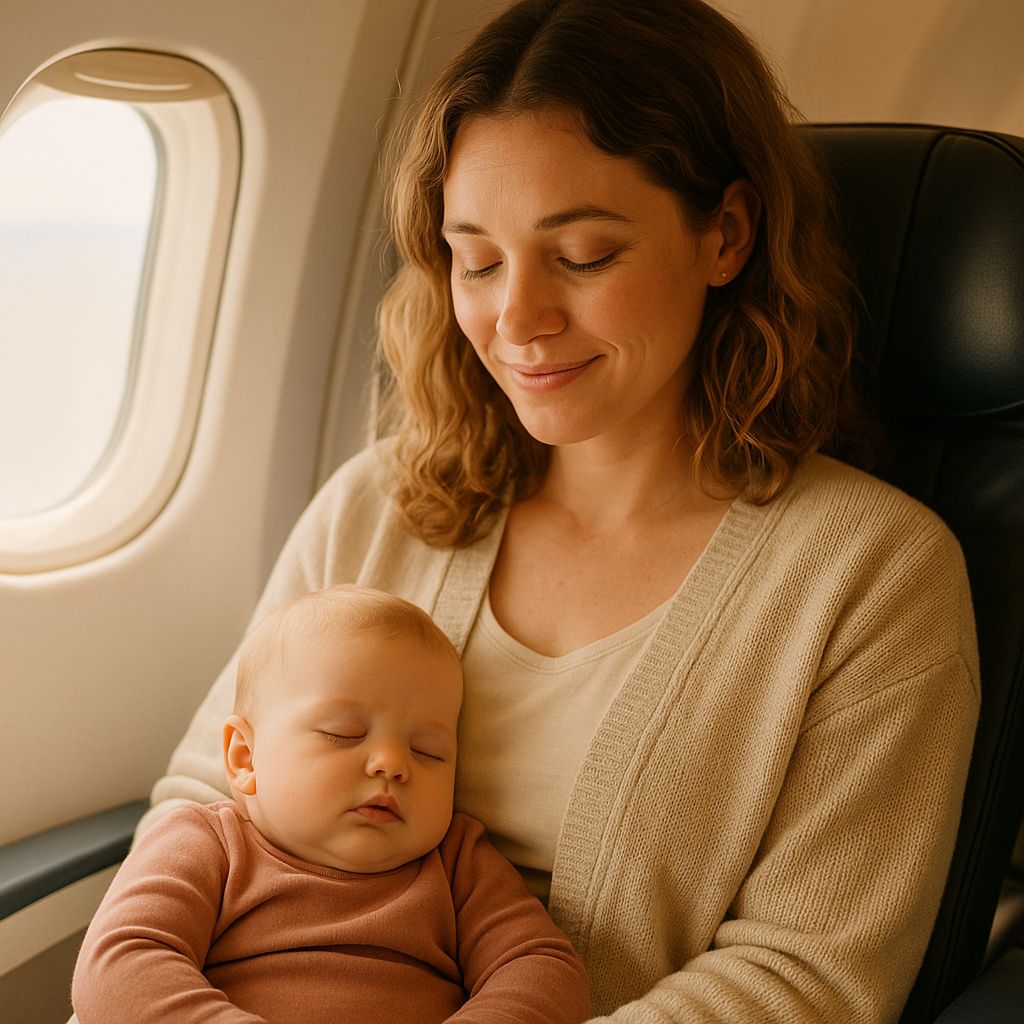
- Breastfeeding: Breast milk is always ready, making it the most convenient option. Nurse during takeoff and landing to help with ear pressure, and feed on demand to comfort your baby in new environments.
- Formula Feeding: Pre-measure formula powder into separate containers, and bring enough sterilized water. Pack extra bottles and consider travel-friendly bottle warmers. Always have extra formula for delays.
- Introducing Solids: Bring single-ingredient purees or pouches your baby already trusts. Avoid introducing new foods right before or during travel to minimize reactions.
- Respond to Cues: Babies may eat less or more during travel—let hunger and thirst cues guide you rather than the clock.
Toddlers (1-3 Years): Flexible Meal and Snack Times
- Stick to Routine When Possible: Try to keep at least one main meal at the usual time, using local time as soon as you arrive.
- Pack Familiar Foods: Dry cereal, crackers, fruit, pouches, and cheese sticks travel well. Familiarity helps reduce anxiety during transitions.
- Offer Small, Frequent Snacks: Hunger may strike at odd times. Healthy snacks between meals can prevent meltdowns.
- Hydration: Always offer water, especially in hot climates or during flights to avoid dehydration.
Preschoolers and Older Children (3+ Years): Empowering Choices
- Involve Kids in Planning: Let them help choose snacks or meals to increase their willingness to eat.
- Maintain Flexibility: Explain that travel means some meals will be different, but favorite foods can be part of the plan.
- Set Expectations: Discuss in advance when meals might be later or earlier, and reassure them that snacks are available if hunger strikes.
- Encourage Routine: Aim for consistent meal structure (breakfast, lunch, dinner) in the new time zone, even if timing is a bit off initially.
Dealing with Jet Lag and Time Changes
Jet lag is often hardest on young children, disrupting both sleep and appetite. Here’s how to help your family adjust feeding schedules while traveling across time zones:
- Start Shifting at Home: If possible, adjust your child’s meals closer to the destination time zone in the days before departure.
- Switch to Local Time ASAP: Begin meals and snacks according to the new time zone as soon as you arrive, but don’t force your child to eat if they’re not hungry.
- Offer Familiar Foods: Comforting favorites can help ease the adjustment.
- Monitor for Hunger Cues: Look for behavioral signs your child is hungry, especially in the first two days.
- Stay Hydrated: Water is crucial for combatting travel fatigue and digestive upsets.
Travel Meal Planning: What to Pack
Smart meal planning can make all the difference. Consider these essentials for your travel pantry:
- Non-perishable snacks: dry cereal, crackers, pretzels, granola bars, fruit pouches, dried fruit, nuts (if age appropriate).
- Fresh produce: apple slices, grapes, carrot sticks (pre-washed and cut).
- Proteins: shelf-stable cheese sticks, nut butter packets, hard-boiled eggs.
- Hydration: refillable water bottles, juice boxes (limited to avoid sugar overload).
- Feeding gear: utensils, bibs, wipes, spill-proof cups, and insulated containers.
Eating Out: Navigating Restaurants and Airports
- Scout Menus Online: Check for kid-friendly options and allergy information before you go.
- Request Simple Preparations: Plain pasta, rice, grilled chicken, or steamed veggies are usually safe bets for picky eaters.
- Don’t Skip Meals: Even if your child isn’t hungry, offer something small at regular intervals to avoid later meltdowns.
- Use the Airport Lounge: If available, lounges often have healthier, more varied food choices and a quieter environment for feeding.
Managing Feeding During Transportation
On Airplanes
- Feed infants during takeoff and landing to relieve ear pressure.
- Request hot water for formula or baby food from the flight attendants.
- Bring more food than you think you’ll need in case of delays.
On Road Trips
- Use insulated bags to keep perishable foods safe.
- Plan stops around meal times for breaks and stretching.
- Bring a travel high chair or booster seat for safe feeding at rest stops.
On Trains and Ferries
- Scout on-board dining options ahead of time.
- Keep wipes and napkins handy for easy clean-up.
Handling Picky Eaters and Food Refusals
Travel can heighten food refusal due to stress or excitement. Prioritize your child’s comfort:
- Allow them to skip a meal if they’re not hungry, but offer a healthy snack later.
- Encourage—but don’t force—trying new foods. Familiar snacks can fill the gap until they adjust.
- Stay calm and avoid power struggles around food. Routine will return once you’re home.
Healthy Eating On the Go: Quick Tips
- Wash hands (or use sanitizer) before meals.
- Avoid street foods or tap water in areas where food safety is a concern.
- Be cautious with dairy and raw foods in unfamiliar regions.
- Prioritize fruits, vegetables, proteins, and whole grains.
Returning Home: Re-establishing Routine
After your trip, it may take a few days for children to readjust to their usual feeding schedule. Stay consistent, offer familiar meals, and be patient with transitions. Most children bounce back quickly once routines are restored.
Conclusion
While traveling can disrupt feeding schedules, the right preparation and a flexible mindset empower families to keep kids healthy and happy. Prioritize familiar foods, respond to hunger cues, and remember that a few days of off-schedule meals won’t harm your child’s nutrition in the long run. Travel is about making memories—so savor the journey, one snack at a time!
Frequently Asked Questions
- How can I keep my baby’s feeding schedule on track when changing time zones?
- Gradually shift feeding times before your trip and adapt to the new time zone as soon as possible. Offer feedings based on your baby’s hunger cues and comfort, even if the timing isn’t perfect.
- What foods should I pack for my toddler while traveling?
- Pack familiar, non-perishable snacks (like dry cereal, cut fruit, crackers, and pouches), along with a water bottle. Avoid overly sugary or messy foods to minimize stress.
- How do I handle meal times on long flights?
- Bring enough formula, breast milk, or snacks for the entire journey, plus extra in case of delays. Feed during takeoff and landing to help with ear pressure, and follow your child’s cues for hunger.
- Is it okay to let my child eat at irregular times while traveling?
- Yes, occasional schedule changes are expected. Prioritize your child’s hunger cues over the clock, and return to your regular schedule gradually after your trip.
- How do I avoid tummy troubles from unfamiliar foods?
- Stick to familiar foods as much as possible, introduce new foods gradually, and encourage hand washing before meals to reduce the risk of digestive upset.