
Activities to Strengthen Muscles in Babies: A Comprehensive Guide for Parents
Building strong muscles in babies is a foundational aspect of their growth and development. From the first days of life, babies rely on muscle strength to achieve key milestones such as holding up their heads, rolling over, sitting, crawling, and eventually walking. As parents and caregivers, understanding the types of activities that encourage muscle development—and knowing how to implement them safely—is crucial. In this expert guide, we explore evidence-based activities to strengthen muscles in babies, practical tips, and common questions to help you nurture your child's physical well-being.
Why Muscle Strengthening Matters in Early Childhood
Muscle strength is not only essential for movement but also for maintaining posture, balancing, and exploring the environment. Strong muscles support your baby's motor skill milestones, such as:
- Head control
- Rolling over
- Sitting independently
- Crawling
- Standing and walking
These milestones are interconnected with cognitive and social-emotional development, as babies gain confidence and curiosity through movement.
Understanding Baby Muscle Development
Babies develop muscle strength in a predictable sequence, known as cephalocaudal development—from head to toe. Initially, babies build neck and upper body strength, followed by core, arm, and leg muscles. This pattern guides the type of activities you can introduce at each age stage.
Typical Age Stages for Muscle Growth
- Newborn (0-3 months): Focus on head and neck control.
- Infant (3-6 months): Begin rolling and reaching.
- Older Infant (6-12 months): Sitting, crawling, standing, and cruising.
Top Activities to Strengthen Muscles in Babies
Here are expert-recommended activities, organized by age stage, that support muscle development:
1. Tummy Time
Tummy time is the cornerstone of baby muscle development. It helps strengthen the neck, shoulders, arms, and core muscles.
- Start with a few minutes several times a day from birth.
- Gradually increase duration as your baby becomes comfortable.
- Use a soft mat or blanket and offer toys to encourage reaching.
Tip: Interact with your baby during tummy time by talking, singing, or placing yourself at eye level to encourage engagement.
2. Reaching and Grasping
Encourage your baby to reach for toys or your fingers, which builds shoulder, arm, and hand strength.
- Hold toys slightly out of reach during tummy time or while your baby is lying on their back.
- Use colorful and textured objects to stimulate interest.
- Allow your baby to grasp and shake rattles or soft items.
3. Assisted Sitting
As babies gain head control (usually around 4-6 months), assisted sitting helps strengthen back and core muscles.
- Support your baby in a sitting position using pillows or your hands.
- Encourage reaching for toys placed in front of them.
- Gradually reduce support as your baby gains stability.
4. Rolling Over Activities
Help your baby practice rolling from tummy to back and vice versa, which activates core and limb muscles.
- Place toys to the side to encourage rolling movements.
- Use gentle guidance, never force rolling.
- Celebrate milestones to boost confidence.
5. Supported Standing and Cruising
When babies begin to pull themselves up (usually around 8-12 months), supported standing and cruising along furniture builds leg and core strength.
- Hold your baby's hands and encourage gentle bouncing.
- Allow your baby to cruise along a safe, padded couch or play table.
- Offer toys that can be pushed to motivate movement.
6. Crawling and Floor Exploration
Crawling is a full-body workout for babies, engaging arms, legs, and core muscles.
- Create a safe, open space for crawling.
- Scatter toys to encourage exploration.
- Join your baby on the floor and model crawling.
7. Water Play
Supervised water play (in a baby-safe pool or bathtub) offers resistance and supports muscle development.
- Let your baby splash and kick in shallow water.
- Use floating toys to encourage reaching.
- Always supervise closely and never leave your baby unattended.
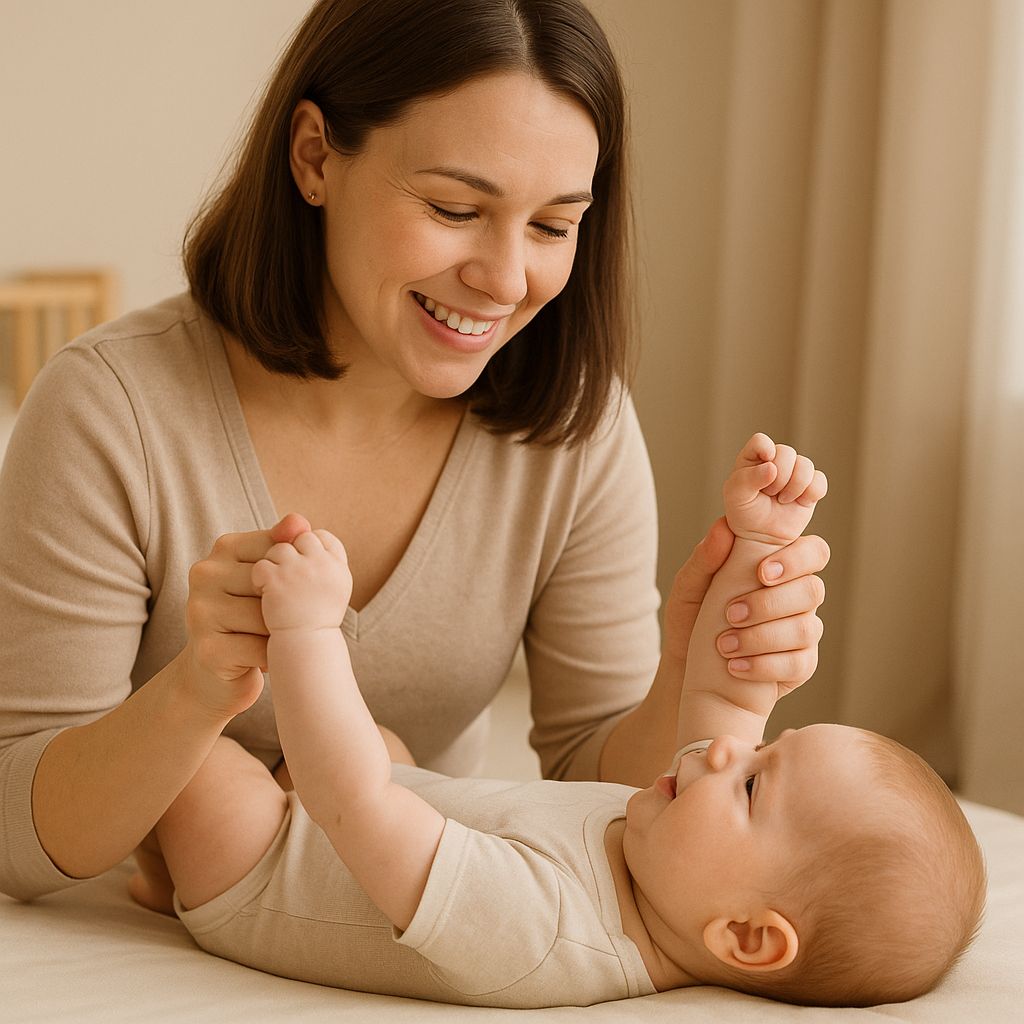
8. Baby Yoga and Gentle Stretching
Simple baby yoga routines and gentle stretches can support flexibility and muscle tone.
- Perform gentle bicycle motions with your baby's legs.
- Stretch arms overhead and out to the sides.
- Use guided baby yoga videos for inspiration.
Tips for Safe and Effective Baby Muscle Strengthening
- Always supervise your baby during activities.
- Follow your baby’s cues—stop if they seem tired or upset.
- Use age-appropriate toys and avoid items with small parts or sharp edges.
- Consult your pediatrician if your baby misses milestones or you have concerns about physical development.
- Make activities fun and interactive—babies learn best when engaged and happy.
Understanding Motor Milestones and Progress
Tracking your baby’s progress helps ensure activities are beneficial and not overwhelming. Typical motor milestones include:
- 2-3 months: Lifts head during tummy time
- 4-6 months: Rolls over, sits with support
- 6-9 months: Sits without support, begins crawling
- 9-12 months: Pulls to stand, cruises, walks with assistance
If your baby isn’t reaching these milestones, discuss your concerns with your pediatrician. Early intervention can provide tailored support.
Using Household Items for Muscle Strengthening
You don’t need expensive equipment to support your baby’s muscle development. Common household items can be safely used:
- Pillows: For assisted sitting or creating crawling obstacles.
- Blankets: Provide a soft surface for tummy time and rolling.
- Plastic containers: Stack for reaching and grasping games.
- Safe mirrors: Encourage lifting head and reaching.
Always supervise play and ensure items are clean, free from sharp edges, and too large to be swallowed.
Common Questions About Baby Muscle Strengthening
Why is muscle strengthening important for babies?
Muscle strengthening is vital for babies as it lays the foundation for motor skills, such as crawling, sitting, and walking. Strong muscles support healthy growth, coordination, and physical confidence.
What age should I start muscle strengthening activities with my baby?
You can start gentle muscle-strengthening activities like tummy time from birth, gradually increasing duration and complexity as your baby grows and meets developmental milestones.
Are there risks associated with baby muscle strengthening exercises?
Most activities are safe when supervised and age-appropriate. Avoid forceful movements and always consult your pediatrician if you have concerns about your baby's development or physical activities.
How can I tell if my baby is benefiting from these activities?
You'll notice improved head control, increased ability to lift limbs, rolling over, and eventually crawling. Consistent participation in strengthening activities supports these milestone achievements.
Can household items be used for baby muscle strengthening?
Yes! Soft pillows, blankets, and safe toys are excellent for supporting activities like tummy time, reaching, and grasping exercises. Always ensure items are clean and free from choking hazards.
Encouraging Your Baby’s Physical Development
The most important element in your baby’s muscle-strengthening journey is your involvement. Babies learn through interactive play, encouragement, and positive feedback. Create a routine that incorporates strengthening activities daily, and celebrate every milestone—big or small. Remember that every baby develops at their own pace, so patience and flexibility are key.
When to Seek Professional Guidance
If your baby shows signs of delayed motor development, such as difficulty lifting their head, not rolling by six months, or not crawling by nine months, consult your pediatrician. Early intervention services can provide targeted support and ensure your baby receives the help they need.
Conclusion: Supporting Healthy Growth Through Muscle Strengthening
Muscle strengthening activities are a vital component of your baby’s growth and development. From tummy time to crawling and assisted standing, each activity supports physical, cognitive, and emotional progress. By integrating safe and stimulating exercises into your daily routine, you lay the foundation for lifelong health, movement, and confidence. Use this guide to empower your parenting journey, and watch your baby thrive as they explore, play, and grow stronger every day.
References:
- American Academy of Pediatrics. "Physical Activity Recommendations for Children and Adolescents."
- Centers for Disease Control and Prevention. "Developmental Milestones."
- Zero to Three. "Encouraging Physical Activity in Infants and Toddlers."