
Activities to Improve Baby’s Motor Skills: Expert Guide for Infants
Motor skills are the building blocks of your baby's physical development, enabling them to interact with their world, explore their surroundings, and eventually achieve independence. Understanding and supporting your infant’s motor skill development is critical during the first year of life. This expert guide explores the best activities to improve baby’s motor skills, how to recognize milestones, and practical tips for parents to foster healthy growth.
Understanding Motor Skills in Infants
Motor skills are divided into two categories:
- Gross Motor Skills: Involve large muscle groups and include actions like rolling, crawling, and sitting.
- Fine Motor Skills: Involve smaller muscle groups and include actions like grasping, reaching, and manipulating objects.
Both are essential for your baby's overall development, helping them progress from simple movements to complex physical tasks.
Importance of Early Motor Skill Development
Early motor skill development offers multiple benefits:
- Promotes muscle strength and coordination
- Enhances cognitive abilities through exploration
- Encourages social interaction and communication
- Lays the foundation for future learning and independence
Babies develop at their own pace, but active engagement and play can accelerate these skills.
Activities to Improve Baby’s Motor Skills by Age Stage
Newborn to 3 Months
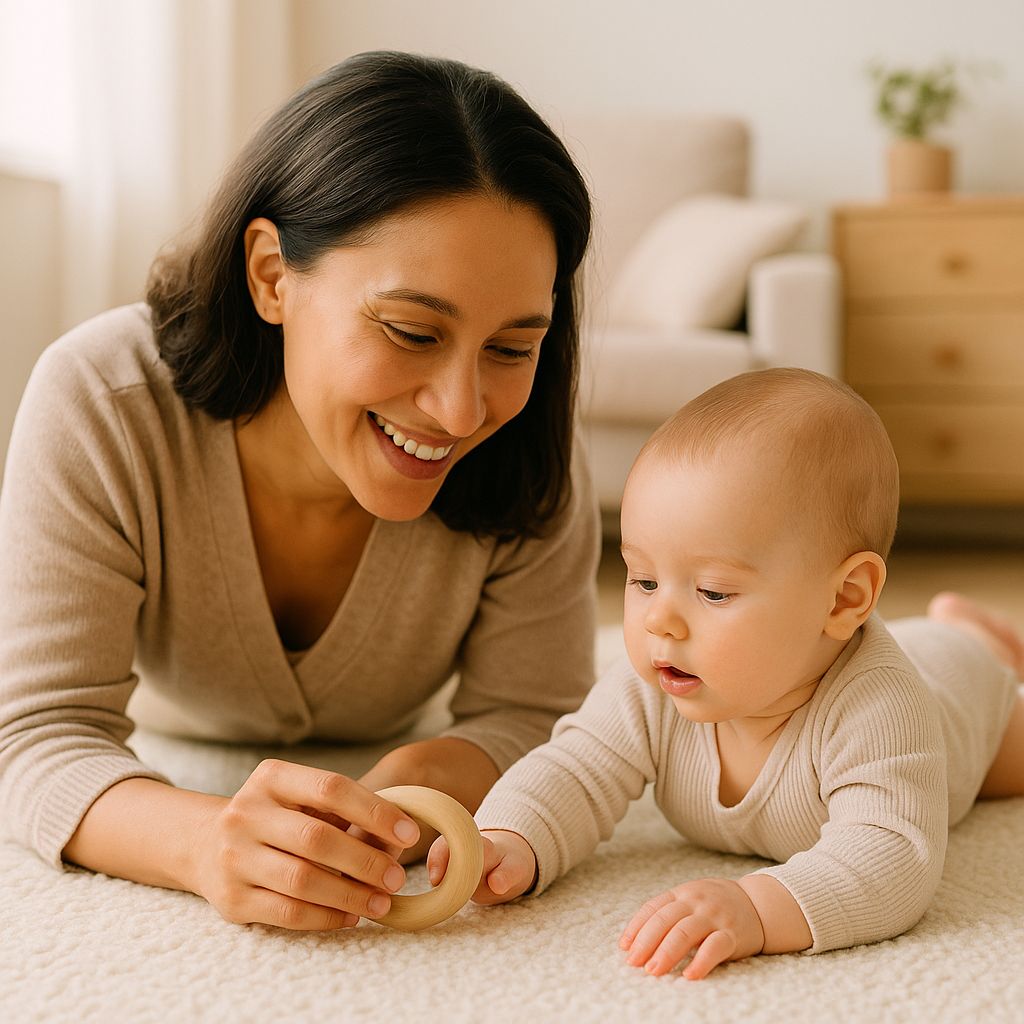
- Tummy Time: Place your baby on their stomach for short periods while awake. This activity strengthens neck, shoulder, and arm muscles, laying the groundwork for rolling and crawling.
- Gentle Movement: Move your baby's arms and legs in a bicycling motion during diaper changes or playtime. This encourages flexibility and muscle tone.
- Visual Tracking: Hold a toy or your finger within your baby’s line of vision and slowly move it side to side. This helps develop eye coordination and head movement.
3 to 6 Months
- Reaching and Grasping: Offer rattles or soft toys for your baby to reach, grasp, and shake. This builds grip strength and hand-eye coordination.
- Supported Sitting: Prop your baby up with pillows or your hands so they can practice sitting. This strengthens core muscles and balance.
- Mirror Play: Place a baby-safe mirror in front of your infant. Watching their reflection encourages head and arm movement.
6 to 9 Months
- Rolling Over: Encourage your baby to roll by placing toys just out of reach. Celebrate their efforts to motivate continued movement.
- Crawling Practice: Create a safe space with a soft mat and place toys at varying distances. Crawling builds coordination, strength, and spatial awareness.
- Object Transfer: Offer two toys for your baby to transfer from one hand to the other, enhancing fine motor skills and bilateral coordination.
9 to 12 Months
- Pulling Up: Provide sturdy furniture or activity tables for your baby to pull up and stand. This activity strengthens leg muscles and balance.
- Finger Foods: Offer small, safe pieces of food for your baby to pick up and eat. This refines their pincer grasp and hand control.
- Stacking and Sorting: Introduce soft blocks or stacking rings for your baby to manipulate. These toys encourage problem-solving and coordination.
Gross Motor Skill Activities Explained
- Tummy Time Variations: Use different surfaces (blanket, play mat) and add colorful toys to keep tummy time engaging.
- Baby Yoga: Gentle stretches and movements guided by parents can help flexibility and body awareness.
- Ball Play: Rolling a soft ball back and forth encourages reaching, crawling, and tracking.
- Obstacle Course: Set up pillows and soft objects for baby to crawl over or around, developing navigation and balance.
Fine Motor Skill Activities Explained
- Finger Painting: Using edible paints, let your baby explore textures and colors while strengthening fingers.
- Rattle Exploration: Offer different shapes and sizes of rattles to grip, shake, and move.
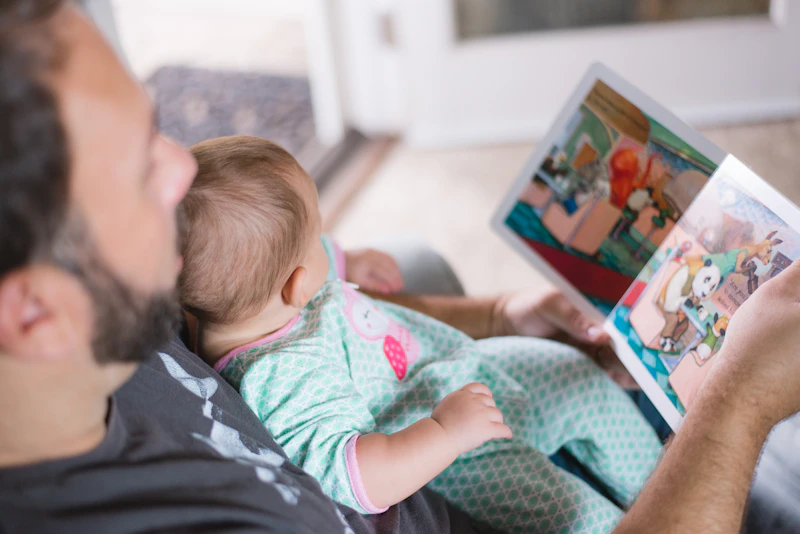
- Soft Books: Turning pages or crinkling fabric books refines finger movement and coordination.
- Shape Sorters: Simple sorters with large pieces encourage pinching and manipulation.
Creating a Safe Environment for Motor Skill Development
Safety is paramount as your baby explores new movements. Ensure:
- Play areas are free from hazards and sharp objects
- Supervision is always present during activities
- Toys are age-appropriate and non-toxic
- Floor spaces are clean and cushioned
Recognizing Motor Skill Milestones
Babies achieve milestones at their own pace, but common indicators include:
- By 3 months: Holding head up, opening hands, tracking objects
- By 6 months: Rolling, sitting with support, reaching and grasping
- By 9 months: Crawling, transferring objects, pulling up
- By 12 months: Cruising, picking up small items, stacking
If your baby misses several milestones, consult your pediatrician for guidance and early intervention.
Tips for Parents: Supporting Your Baby’s Motor Skills
- Be Consistent: Practice motor skill activities daily for optimal results.
- Follow Your Baby’s Lead: Observe their interests and comfort level.
- Encourage Exploration: Allow your baby to try new movements and experiment with different toys.
- Offer Praise: Celebrate achievements to build confidence.
- Adapt Activities: Modify play as your baby grows and develops new abilities.
Common Questions About Infant Motor Skill Development
- Why are motor skills important for infants?
- Motor skills enable movement and exploration, which are essential for learning, independence, and social interaction.
- What age should I start motor skill activities with my baby?
- Activities can begin from birth, with simple actions like tummy time and gentle movement. Adapt activities as your baby grows.
- How can I tell if my baby has a motor skill delay?
- Watch for signs like difficulty holding their head up, limited movement, or not reaching milestones. Consult your pediatrician if concerned.
- Are there safe toys or tools for motor skill development?
- Use age-appropriate toys like rattles, play mats, and stacking rings. Always supervise play and check for safety.
When to Seek Professional Help
If your baby consistently misses milestones or you notice unusual movement patterns, it’s important to seek professional advice. Early intervention leads to better outcomes. Pediatricians and occupational therapists can provide specific guidance and support.
Conclusion: Empowering Your Baby’s Physical Growth
Improving your baby’s motor skills is a journey that combines play, exploration, and loving support. By incorporating age-appropriate activities, observing milestones, and creating a safe environment, parents can pave the way for their infant’s healthy physical development. Remember, every baby is unique – celebrate their progress and remain proactive in nurturing their growth.
For more parenting tips and expert advice on infant development, visit Growing Giggles and join our community of engaged parents.