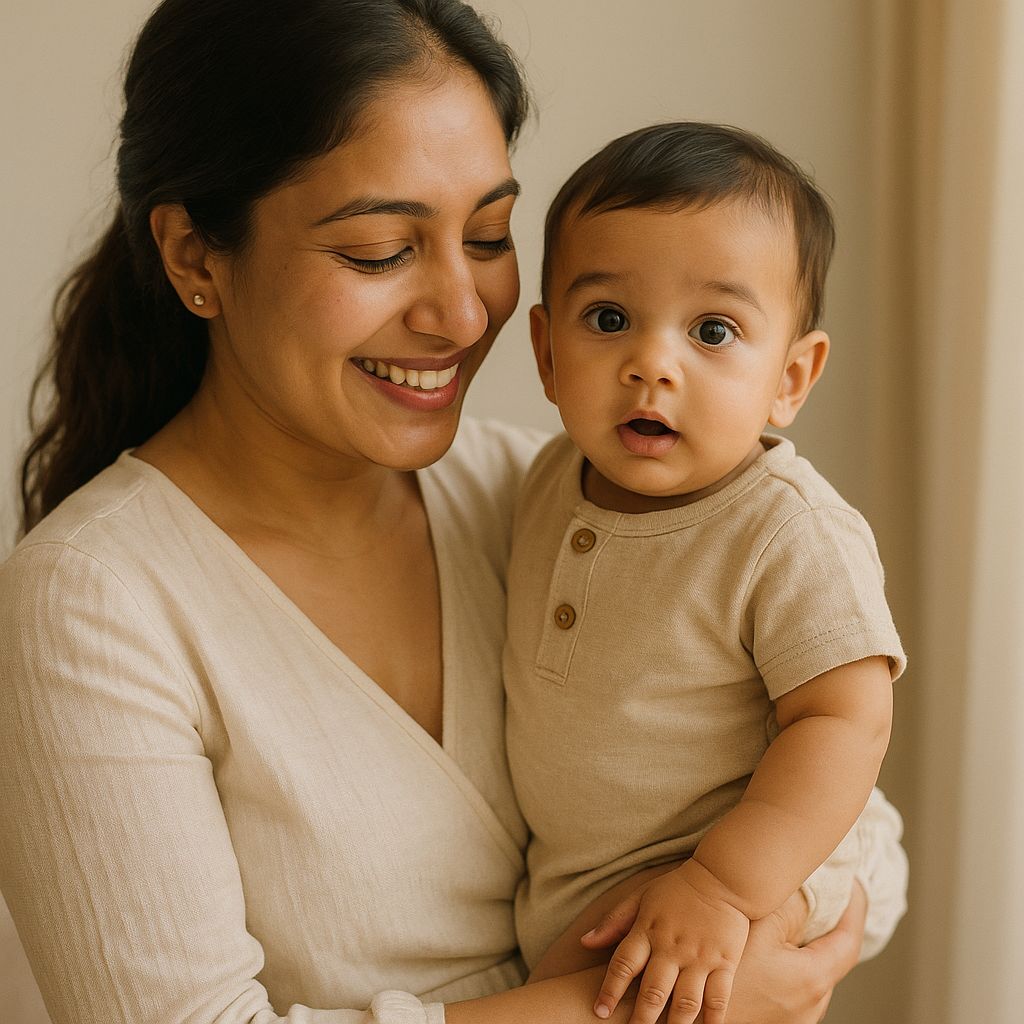
Activities for 3–6 Month Babies: Fun Ways to Boost Early Development
Between 3 and 6 months, your baby is blossoming with new abilities—from stronger head control to curious interaction with the world around them. This stage is all about exploring, bonding, and laying the foundation for future milestones. Wondering how to play with your little one at this age? You’re in the right place! We’ll walk you through a variety of activities for 3–6 month babies that are both fun and developmentally supportive.
Why Play Matters in Early Months
Play isn’t just about fun; it’s a crucial part of your baby’s growth. Through simple activities, babies learn to use their muscles, tune into sights and sounds, and begin to understand social cues. Plus, play strengthens your bond, making your baby feel safe and loved.
What Can Babies Do at 3–6 Months?
- Hold their head up during tummy time
- Reach for and grasp objects
- Kick their legs and move arms more purposefully
- Smile, coo, and laugh
- Track moving objects with their eyes
- Respond to voices and familiar faces
- Roll from tummy to back (often closer to 6 months)
Best Activities for 3–6 Month Babies
Let’s dive into some engaging play ideas that support your baby’s early development. These activities require little to no special equipment and can be done at home.
1. Tummy Time Adventures
Tummy time remains a superstar activity at this stage. Place your baby on a soft blanket and get down on their level. Use colorful toys or mirrors to encourage reaching and lifting their head. Try making funny faces or talking, which adds a social element.
- Tip: If your baby fusses, start with short sessions (2–3 minutes) and gradually increase.
- Variation: Place a rolled towel under their chest for extra support.
2. High-Contrast Books & Cards
Babies love bold patterns! Show your baby high-contrast black-and-white books or cards. Move them slowly from side to side to help your baby track objects visually. Describe what you see, even if your baby doesn’t understand yet—your voice is their favorite sound.
3. Gentle Music & Singing
Music stimulates brain development and soothes babies. Sing lullabies, nursery rhymes, or play gentle tunes. Clap your hands or sway with your baby. Encourage cooing or babbling along!
4. Mirror Play
Babies are fascinated by faces—including their own! Prop a baby-safe mirror nearby during tummy time or when your baby is lying on their back. Watch them smile, wiggle, and reach toward their reflection.
5. Soft Toy Exploration
Offer your baby soft, lightweight toys or cloths to grasp and squeeze. Rattles, plush animals, and textured fabrics are all great choices. Let your baby explore at their own pace.
- Safety: Choose toys without hard parts or loose pieces.
6. Talking & Face Time
Simple conversation goes a long way! Make eye contact and talk to your baby about what you’re doing, how you feel, or what’s around you. Exaggerate facial expressions—babies love to mimic.
7. Sensory Blanket Play
Lay out a blanket with different textures (cotton, fleece, crinkly fabric). Place your baby on their back or tummy and let them touch, kick, or roll onto the materials. Describe the sensations: "This is soft," "That’s crinkly."
8. Gentle Massage
After bath time or during a calm moment, gently massage your baby’s arms, legs, and back. This activity promotes body awareness, relaxation, and bonding. Use slow, gentle strokes and talk softly to your baby as you massage.
9. Grasp & Reach Play
Encourage your baby to reach for toys just out of grasp. Hold a rattle, finger puppet, or soft ring a few inches away and let your baby try to grab it. This builds hand-eye coordination and strengthens muscles.
10. Supported Sitting
Many babies start to enjoy sitting with support. Prop your baby with pillows or sit them on your lap, holding them upright. Offer toys to reach for and praise their efforts! Sitting upright gives a new perspective and helps strengthen core muscles.
Incorporating Activities into Daily Routine
Consistency is key for babies. Try to fit in short play sessions throughout the day—after naps, before feeding, or during diaper changes. Even a few minutes of focused play makes a difference.
- Keep sessions short: 5–10 minutes is plenty
- Follow your baby’s cues—if they seem tired or cranky, pause and try later
- Rotate activities to keep things fresh
- Involve siblings or other caregivers for extra stimulation
Safety Tips for Playing with 3–6 Month Babies
- Never leave your baby unattended during play
- Use age-appropriate toys free from choking hazards
- Always support your baby’s head and neck during movement
- Check that play surfaces are clean and soft
- If your baby seems overwhelmed, stop and comfort them
Parent Bonding: Why Your Involvement Matters
Your presence is the best toy your baby could have! Eye contact, talking, and gentle touch reassure your baby and make them feel loved. Even simple activities like singing or smiling at your baby create lasting connections.
Common Challenges & How to Overcome Them
- Baby isn’t interested in toys: Try different textures, colors, or sounds. Sometimes a parent’s face is more engaging than any toy!
- Short attention span: Babies at this age can only focus for a few minutes. Switch up activities and don’t force play if your baby seems tired.
- Fussiness during tummy time: Start with brief sessions, use props, or incorporate singing and talking for distraction.
Signs Your Baby is Enjoying Play
- Smiling, laughing, or cooing
- Reaching for objects
- Making eye contact
- Moving arms and legs energetically
- Relaxed, happy demeanor
When to Seek Advice
Every baby develops at their own pace. If you notice your baby isn’t making eye contact, doesn’t respond to sounds, or seems unusually stiff or floppy, consult your pediatrician for guidance.
Frequently Asked Questions
- What activities are safe for 3–6 month old babies?
- Safe activities include supervised tummy time, gentle singing, soft toys, high-contrast books, and sensory play with household items. Always ensure your baby is supported and never leave them unattended.
- How often should I play with my 3–6 month old?
- Short, frequent play sessions throughout the day are best. Babies at this age have short attention spans, so 5–10 minutes at a time is ideal.
- What skills do activities for 3–6 month babies help develop?
- Activities encourage motor skills, sensory awareness, social interaction, and language development. They help babies learn to reach, grasp, track objects, and respond to voices.
- Can I use toys or do I need special equipment?
- You don’t need special equipment; everyday household items, your voice, and gentle touch are perfect for play. Simple toys like rattles, soft cloths, and mirrors are great, too.
- Is tummy time still important at 3–6 months?
- Yes, tummy time remains essential. It strengthens neck, shoulder, and arm muscles and prepares your baby for crawling and sitting.
Final Thoughts: Enjoying the Journey
These months are packed with wonder and discovery. By incorporating a variety of activities for 3–6 month babies into your routine, you’ll help your little one learn, grow, and thrive—all while making precious memories together. Remember, your loving interaction is the most important ingredient for early development. So, relax, have fun, and savor these sweet moments!