25 Engaging Activities for 1–2 Year Olds: Fun, Learning, and Bonding
Keeping a 1–2 year old entertained is both an art and a science! At this age, your little one is learning at lightning speed, and everything is an adventure. But sometimes, coming up with new, stimulating activities can feel overwhelming. Whether you’re a parent, grandparent, or caregiver, our expertly curated list of activities for 1–2 year olds will help you create magical moments together—no fancy toys required.
Why Play Matters at 1–2 Years Old
Play is so much more than just fun for toddlers—it's how they learn! Through play, 1–2 year olds develop crucial skills, including:
- Language: Mimicking sounds, naming objects, and conversing with you.
- Motor skills: Stacking, grasping, running, climbing, and balancing.
- Sensory exploration: Discovering new textures, colors, and sounds.
- Social-emotional growth: Sharing, expressing emotions, and building trust.
The best part? Many of the most effective activities use everyday objects you already have at home!
Indoor Activities for 1–2 Year Olds
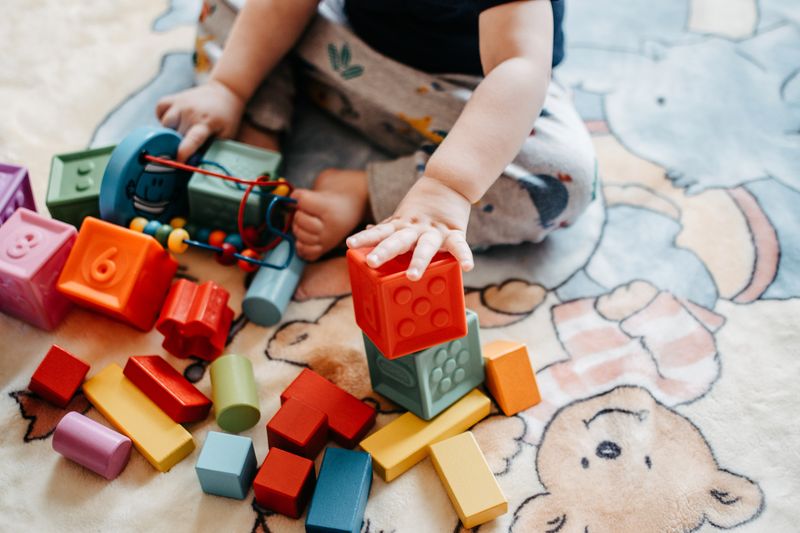
- Stacking Blocks or Cups
Use soft blocks, stacking cups, or even plastic containers to build towers. Knocking them over is half the fun! - Sensory Bins
Fill a shallow bin with safe objects—rice, beans, water, or fabric scraps. Let your toddler scoop, pour, and explore with supervision. - Simple Puzzles
Large-piece wooden puzzles encourage problem-solving and hand-eye coordination. - Treasure Basket
Fill a basket with safe household items (wooden spoon, scarf, soft brush) for your toddler to explore. Rotate items weekly to keep things exciting. - Cushion Obstacle Course
Arrange cushions and pillows for your toddler to climb, crawl, and tumble on. Great for gross motor skills and burning energy indoors! - Bubble Popping
Blow bubbles for your little one to chase and pop. Bubbles are magical for toddlers and help with visual tracking. - Music & Dance Party
Play favorite tunes and dance together. Add simple instruments like shakers or drums for extra fun. - Peek-a-Boo Variations
Use hands, scarves, or even a cardboard box for endless giggles. - Sticky Note Wall
Stick colorful notes at toddler height for them to peel, move, and stick elsewhere. Great for fine motor skills and color recognition! - Finger Painting
Use washable, non-toxic paints. Let your little artist create masterpieces—messy but memorable! - Read Together
Choose board books with bright pictures and simple text. Encourage your toddler to turn pages and point to objects. - Puppet Play
Use socks or paper bags to make simple puppets and put on a mini show. Let your child try making them talk or sing, too!
Outdoor Activities for 1–2 Year Olds
- Nature Walks
Let your toddler walk (or ride in a stroller) and explore sticks, leaves, and stones. Point out birds and insects, encouraging curiosity. - Water Play
Fill a shallow tub with water, provide cups and spoons, and let the splashing begin! Always supervise closely. - Sidewalk Chalk
Toddlers love scribbling on the driveway or sidewalk. Encourage drawing shapes or just making colorful marks. - Ball Games
Rolling, throwing, or kicking a soft ball builds coordination and is guaranteed fun. - Sandbox Adventures
Digging, scooping, and pouring in a sandbox develop motor skills and creativity. - Bubble Chase
Take bubble fun outside for more running and giggles. - Puddle Jumping
After a rain, dress your toddler in boots and let them stomp in puddles. Simple joys are the best! - Garden Helpers
Let your toddler dig with a small shovel, water plants, or pick up leaves. They’ll love feeling helpful! - Nature Scavenger Hunt
Create a simple list (find a leaf, a rock, a flower) and explore together. - Visit the Playground
Swings, slides, and climbing structures are perfect for burning energy and building strength. - Animal Watching
Visit a local park to watch birds, squirrels, or ducks. Mimic their sounds and movements for extra fun. - Picnic Snack
Bring a blanket and snacks outside. Eating outdoors makes even everyday food feel special.
Sensory Play for 1–2 Year Olds
Sensory play is especially important in the toddler years. It stimulates brain development, calms fussy moods, and encourages exploration. Try these ideas:
- Playdough Exploration: Use homemade or store-bought playdough. Show your toddler how to squish, roll, and poke it.
- Texture Walk: Lay out towels, bubble wrap, and soft mats for your toddler to walk or crawl on barefoot.
- Food Play: Let your child squish cooked pasta or explore yogurt with their fingers (messy but educational!).
- Ice Cube Painting: Freeze water with a bit of food coloring in an ice tray. Let your child "paint" on paper as the cubes melt.
Fine Motor Activities for Toddlers
- Sticker Play: Peeling and sticking stickers is great for pincer grasp and creativity.
- Threading Large Beads: Use chunky beads and a shoelace or pipe cleaner to make simple necklaces (always supervise!).
- Drop & Sort Games: Cut holes in a container lid and let your toddler drop pom poms, lids, or blocks through.
Gross Motor Activities for Toddlers
- Animal Walks: Show your child how to waddle like a duck, hop like a bunny, or crawl like a bear.
- Push & Pull Toys: Toddler-sized carts, wagons, or sturdy boxes are perfect for pushing or pulling around the house.
- Dance and Freeze: Play music and pause it randomly—encourage your little one to freeze in place!
Tips for Successful Play with 1–2 Year Olds
- Follow your child’s lead; toddlers are naturally curious and will show you what interests them.
- Don’t worry about doing activities “perfectly.” It’s about bonding and having fun!
- Rotate toys and activities to keep things fresh and engaging.
- Always supervise play, especially with small objects or messy materials.
Frequently Asked Questions
- How long should I let my 1–2 year old play each day?
- Toddlers benefit from several play sessions spread throughout the day. Aim for at least 1–2 hours of active play, mixing structured and unstructured activities.
- What activities are safe for a 1-year-old?
- Safe activities include supervised sensory bins, stacking blocks, soft ball play, water play (with close supervision), simple puzzles, and singing or dancing together.
- How can I encourage my toddler to play independently?
- Set up a safe play space with a few age-appropriate toys and activities. Stay nearby, but allow your child to explore and experiment on their own before stepping in.
- Are screens okay for 1–2 year olds?
- The American Academy of Pediatrics recommends little to no screen time for children under 2, focusing instead on hands-on, interactive play and bonding.
Final Thoughts
Remember, the best activities for 1–2 year olds are rooted in simplicity, safety, and connection. There’s no need for fancy gadgets—just your time, attention, and a dash of creativity. With these fun ideas, you’ll help your child build essential skills, express themselves, and enjoy the world around them. Happy playing!