
Winter Sleep Tips for Babies: Safe, Restful Nights in the Cold Season
As winter approaches and temperatures drop, parents often find themselves worried about keeping their babies warm and comfortable during sleep. However, ensuring your infant’s safety and sleep quality during colder months involves more than just bundling up. The risk of overheating or unsafe sleep environments increases with well-intentioned efforts to keep babies cozy. This article presents evidence-based, clinical strategies for keeping your baby safe, warm, and well-rested during winter nights.
Understanding Infant Sleep Needs in Winter
Babies, especially newborns and infants under 12 months, are particularly vulnerable to temperature extremes. Their bodies are less efficient at regulating temperature, making them susceptible to both hypothermia and overheating. According to the American Academy of Pediatrics (AAP), maintaining a moderate room temperature and following safe sleep practices can significantly reduce the risk of sudden infant death syndrome (SIDS) and other sleep-related incidents.
1. Maintain an Optimal Room Temperature
The AAP recommends keeping the nursery or baby’s sleep space at a temperature between 68–72°F (20–22°C). This range supports thermal comfort without increasing the risk of overheating or chilling. Use a room thermometer to monitor the temperature, as central heating can fluctuate or be uneven in different parts of the home.
- Insulation: Ensure windows and doors are well-sealed to prevent cold drafts.
- Ventilation: Avoid direct airflow from heaters or fans onto your baby’s crib.
2. Choose Appropriate Sleepwear
Layering is the key to keeping your baby warm without overheating. Opt for snug, breathable layers, and avoid bulky coats or multiple heavy blankets. The National Institute of Child Health and Human Development (NICHD) recommends wearable blankets (sleep sacks) made from cotton or fleece as safe alternatives to loose blankets.
- Base Layer: A fitted cotton onesie or bodysuit.
- Second Layer: Footed pajamas or a long-sleeve sleeper.
- Outer Layer: A sleep sack with appropriate TOG (thermal overall grade) rating for winter.
Research shows that babies generally need just one more layer than an adult would wear to feel comfortable at the same temperature.
3. Avoid Loose Bedding and Overheating
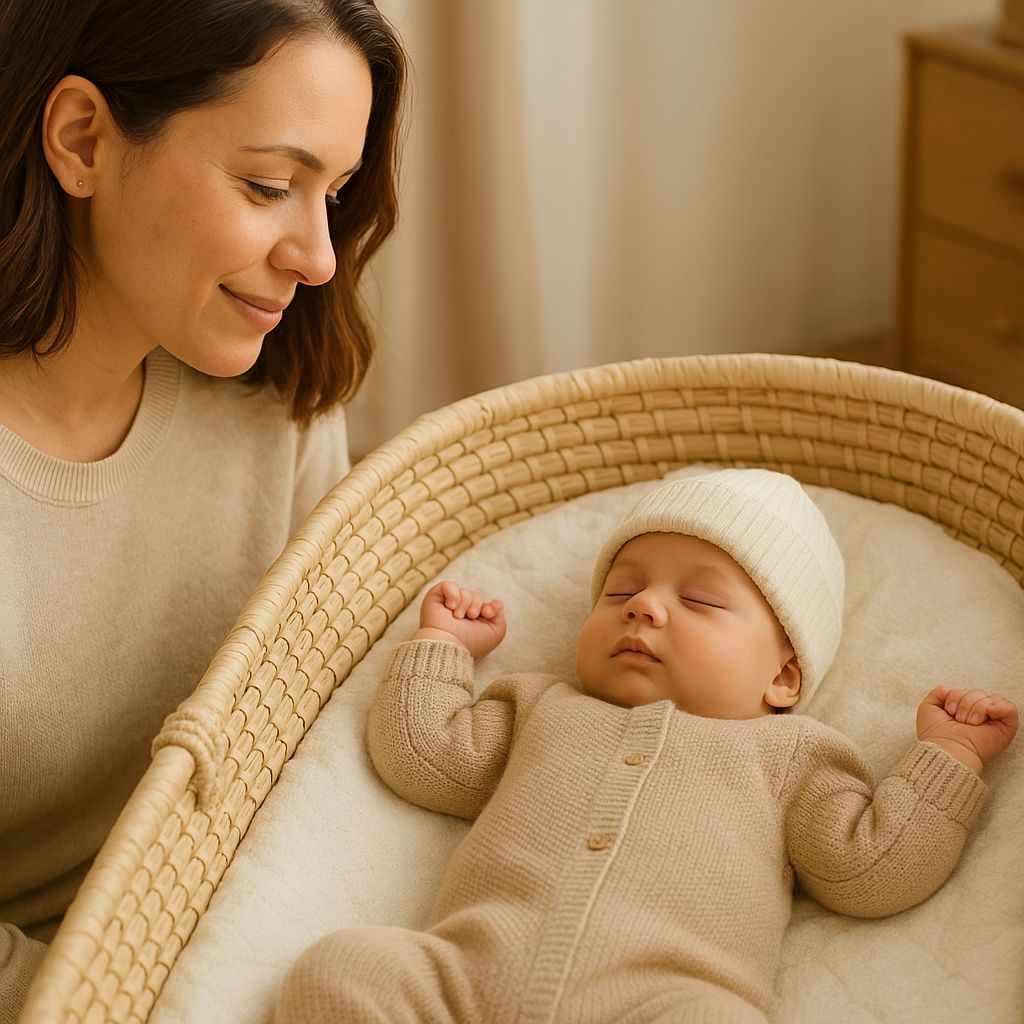
Loose blankets, pillows, and stuffed animals increase the risk of suffocation and SIDS. Instead, use a fitted sheet on a firm mattress. Overdressing or excessive layers can lead to overheating, which is a significant risk factor for SIDS. Always check your baby’s chest or back to gauge their warmth—if your baby is sweating or their skin feels hot, remove a layer.
4. Monitor Humidity and Air Quality
Winter heating can dry out indoor air, leading to nasal congestion or dry skin. The ideal humidity for a nursery is 40–60%. Use a cool-mist humidifier to maintain moisture, and keep the device clean to prevent mold or bacterial growth. Good air quality is also essential; avoid using fireplaces or unvented heaters in baby’s sleep space.
5. Safe Use of Heaters and Supplemental Heat
Portable heaters and electric blankets may seem tempting but can be dangerous. If you must use a heater, ensure it has an automatic shut-off, keep it away from bedding and furniture, and place it out of baby’s reach. Never use electric blankets or hot water bottles in the crib. Instead, rely on appropriate layering and maintain the room temperature within the recommended range.
6. Create a Consistent Bedtime Routine
Winter nights can disrupt routines due to earlier darkness and changes in family schedules. Maintain consistent sleep and wake times, and use calming bedtime rituals such as a warm (not hot) bath, dim lighting, and gentle rocking. Consistency helps regulate your baby’s circadian rhythm, improving overall sleep quality.
7. Address Common Winter Sleep Challenges
- Night Wakings Due to Cold: If your baby wakes frequently and their chest or back feels cold, add a light layer or increase the TOG rating of their sleep sack.
- Congestion or Dry Air: Use a humidifier and ensure your baby’s head is slightly elevated if congestion is an issue (never use pillows; raise the crib head slightly if medically indicated and approved by your pediatrician).
- Diaper Changes: Keep all supplies nearby. Use warm wipes or quickly change diapers to minimize exposure to cold air.
8. Recognize Signs of Hypothermia and Overheating
Parents should be alert for signs that their baby is either too cold or too warm:
- Hypothermia symptoms: Cool skin (especially chest/back), pale or blue lips, lethargy, weak cry.
- Overheating symptoms: Sweating, flushed cheeks, rapid breathing, restlessness.
If you observe any of these signs, adjust layers and room temperature as needed. Seek medical attention if symptoms persist.
9. Special Considerations for Preterm and Low-Birth-Weight Infants
Preterm and low-birth-weight babies are at higher risk for temperature instability. Follow your pediatrician’s recommendations closely, as some infants may require additional support, such as heated mattresses or close room temperature monitoring, especially after discharge from the NICU.
10. Daytime Naps and Sunlight Exposure
Shorter daylight hours can affect your baby’s sleep-wake cycle. Expose your infant to natural light during the day, even in winter, to help regulate their circadian rhythm. Safe, supervised naps in a well-lit area can also support healthy sleep patterns.
When to Call the Pediatrician
If you notice persistent temperature instability, poor feeding, unusual lethargy, or respiratory symptoms, consult your pediatrician promptly. Always err on the side of caution if you are unsure about your baby’s comfort or safety during winter sleep.
Conclusion
Winter can be a challenging season for infant sleep, but with evidence-based approaches, you can ensure your baby’s nights are both safe and restful. Focus on maintaining optimal room temperature, using safe and appropriate sleepwear, and adhering to established safe sleep guidelines. Monitor your baby for signs of discomfort, and adjust your strategies as needed. By following these clinical, research-backed tips, you’ll provide your baby with the best foundation for healthy sleep, even on the coldest nights.