
When Do Babies Sit Without Support? Milestones, Tips & Safety
Sitting without support is a highly anticipated developmental milestone for both infants and parents. This skill marks a key moment in your baby's growing independence and motor development. But when do babies typically sit without support? What signs indicate readiness, and how can parents safely encourage this milestone? In this comprehensive guide, we explore the timeline, developmental cues, expert-backed strategies, and essential safety tips for helping your baby sit with confidence.
Understanding the Sitting Milestone
Babies progress through a series of motor skills during their first year, each building upon the last. Sitting independently is a crucial step that paves the way for crawling, standing, and walking. It requires strength, balance, and coordination, all developed gradually through daily movement and play.
Timeline: When Do Babies Sit Without Support?
- 0-3 Months: Babies gain head control and start using neck and upper body muscles.
- 4-6 Months: With regular tummy time, most babies begin to roll over and push up on their arms. Some may sit briefly with support.
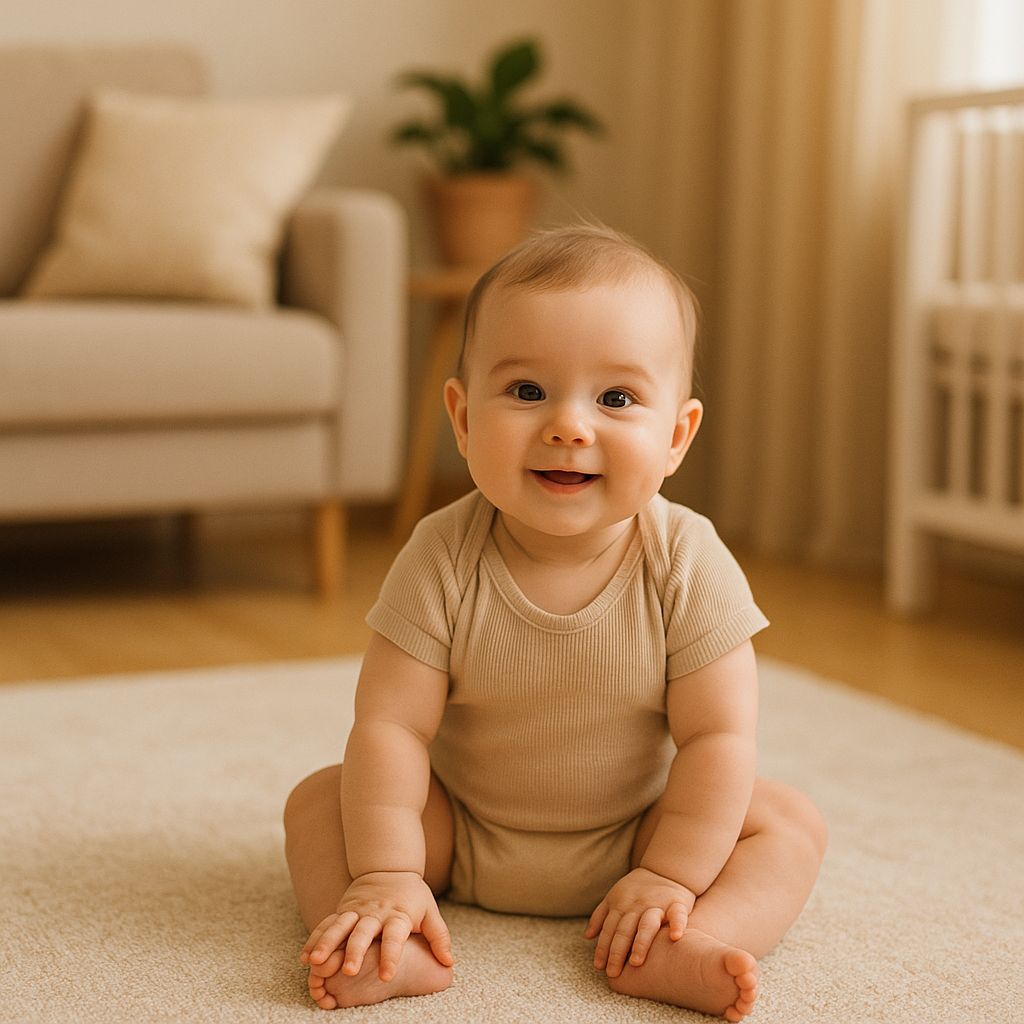
- 6-8 Months: The majority of infants develop the strength and balance needed to sit without support for short periods.
According to the Centers for Disease Control and Prevention (CDC), most babies sit unsupported between 6 and 8 months. However, every child is unique, and some may reach this milestone earlier or later.
Signs Your Baby Is Ready to Sit Without Support
Before your baby can sit independently, they must develop key physical skills:
- Strong Head Control: Your baby can hold their head steady and upright without wobbling.
- Trunk Stability: They can control their upper body and maintain balance while sitting with assistance.
- Rolling Over: Babies who roll from tummy to back and vice versa are building core strength.
- Reaching and Grasping: Sitting babies often reach for toys, demonstrating coordination and interest in their environment.
- Push-Ups: During tummy time, your baby pushes up on their arms, strengthening back and shoulder muscles.
Developmental Milestones Leading to Sitting
Sitting without support is not an isolated event. It is preceded by several interconnected milestones:
- Tummy Time: Essential for building neck, shoulder, and back strength.
- Rolling: Improves coordination and balance.
- Sitting with Support: Babies use pillows, parents' hands, or specialized baby seats.
- Leaning Forward: Babies often prop themselves with their arms before sitting upright.
- Independent Sitting: Gradually, they use their core muscles to balance without leaning.
How to Help Your Baby Learn to Sit Without Support
Parents and caregivers play a crucial role in helping infants reach the sitting milestone. Here are expert-backed strategies:
1. Encourage Tummy Time
Tummy time is foundational for developing the muscles needed for sitting. Aim for several short sessions each day, gradually increasing duration as your baby grows more comfortable.
2. Practice Sitting with Support
- Use supportive pillows or a boppy pillow to prop your baby in a sitting position.
- Sit your baby on your lap, gently holding their waist or hips for balance.
3. Stimulate Movement with Toys
Place engaging toys just out of reach to encourage your baby to reach, twist, and balance while sitting. This helps build coordination and stability.
4. Gradually Reduce Support
As your baby gains strength, allow them to sit for short periods without support on a soft surface. Stay close for safety.
5. Use Playtime to Build Core Strength
- Play gentle games that involve movement, such as "pull to sit" using your hands.
- Sing songs or read books while your baby sits upright, creating positive associations.
Safety Tips for Babies Learning to Sit
While practicing sitting, safety is paramount. Here are essential tips to keep your baby safe:
- Supervise Always: Never leave your baby unattended while practicing sitting, especially on elevated surfaces.
- Use Soft, Secure Surfaces: Practice on carpeted floors, play mats, or soft blankets to cushion falls.
- Remove Hazards: Clear away sharp objects, furniture edges, and choking hazards from the practice area.
- Limit Use of Baby Seats: While baby seats can be helpful for short periods, excessive use may hinder natural muscle development.
- Dress for Comfort: Avoid restrictive clothing and ensure your baby can move freely.
When to Be Concerned About Sitting Milestones
Most babies sit without support by 8 months. However, if your baby is not showing signs of readiness or is unable to sit independently by 9 months, consider speaking with your pediatrician. Delays may be related to muscle tone, coordination, or underlying medical conditions. Early intervention can help address concerns effectively.
Frequently Asked Questions
- At what age do babies sit without support?
- Most babies sit without support between 6 and 8 months, though some may do so earlier or later.
- What are signs my baby is ready to sit independently?
- Readiness signs include strong head and trunk control, rolling, and reaching for toys while sitting with assistance.
- How can I help my baby learn to sit?
- Encourage tummy time, practice sitting with pillows or your hands, and provide stimulating toys for movement and balance.
- Is it normal if my baby isn't sitting by 8 months?
- Some babies take longer to reach this milestone. If your baby isn't sitting by 9 months, consult your pediatrician.
- What safety measures should I take?
- Supervise your baby, use soft surfaces, remove hazards, and never leave them unattended on elevated areas.
Supporting Healthy Development: What Parents Can Do
To foster your baby's physical growth and confidence, keep these expert recommendations in mind:
- Provide Daily Opportunities: Let your baby practice new skills regularly in a safe environment.
- Celebrate Progress: Every attempt, even short moments of sitting, is a step forward. Offer encouragement and praise.
- Engage with Your Baby: Talk, sing, and play during sitting practice to make it a positive experience.
- Monitor Development: Keep track of milestones and discuss concerns with your pediatrician.
Common Variations in Sitting Milestones
Developmental milestones can vary based on individual differences, including:
- Premature Birth: Premature infants may reach milestones later than full-term peers.
- Genetics: Family history can influence the timing of physical development.
- Underlying Medical Conditions: Conditions affecting muscle tone or movement may impact sitting skills.
If you have concerns, your pediatrician can assess your baby’s development and recommend resources or therapies if needed.
Milestones After Independent Sitting
Sitting without support is a gateway to more advanced motor skills. After mastering sitting, babies typically:
- Pivot and reach for toys while sitting.
- Move from sitting to crawling positions.
- Pull up to stand using furniture or caregiver support.
- Begin cruising and eventually walking.
Each milestone builds on the last, reflecting your baby’s growing strength, coordination, and confidence.
Conclusion
Sitting without support marks a significant achievement in your baby’s first year. Most infants reach this milestone between 6 and 8 months, but variations are normal. Recognizing readiness signs, encouraging daily practice, and ensuring a safe environment are key to supporting your baby’s development. Celebrate each step, consult with your pediatrician if concerned, and enjoy watching your baby grow and explore the world from a new perspective.
For more expert parenting advice and milestone guides, explore Growing Giggles’ resources and connect with other parents on your journey!