
What to Do When Your Baby Has a Runny Nose: A Complete Parent’s Guide
If you’re a parent, you know that babies are prone to runny noses. Whether it’s their first cold or a seasonal allergy, a runny nose can be distressing for both your child and you. Understanding what causes this symptom, how to safely help your baby, and when to seek medical advice is essential for every caregiver. This comprehensive guide offers expert advice, practical remedies, and answers to your most pressing questions about baby runny noses.
Understanding Why Babies Get Runny Noses
Babies, especially those under 12 months, frequently develop runny noses. Their immune systems are still maturing, making them susceptible to infections and environmental irritants. Here are the most common causes:
- Viral infections: The common cold is the leading cause, typically caused by rhinoviruses.
- Allergies: Less common in infants but possible, especially with family history.
- Irritants: Smoke, dust, perfumes, or dry air can trigger nasal mucus production.
- Weather changes: Sudden temperature shifts may cause temporary nasal congestion.
- Other illnesses: Occasionally, more serious infections like RSV or influenza may present with a runny nose.
Is a Runny Nose Normal for Babies?
Yes, a runny nose is a normal occurrence in infants and toddlers. Most cases are mild and resolve on their own within a week to ten days. However, it's important to monitor your child for signs of complications or more serious illness.
Symptoms to Watch For
A runny nose can be accompanied by other symptoms. Understanding which ones are harmless and which require medical attention is crucial.
- Harmless symptoms: Sneezing, mild cough, watery eyes, mild congestion.
- Warning signs: Difficulty breathing, wheezing, refusal to eat or drink, dehydration, high or persistent fever, green or yellow mucus lasting more than 10 days.
If your baby exhibits any warning signs, contact your pediatrician immediately.
How to Care for a Baby with a Runny Nose
Most runny noses in babies can be managed safely at home. Here’s how to keep your little one comfortable and promote recovery:
1. Keep Their Nose Clear
- Saline nasal drops: These are safe and effective for loosening mucus. Apply a few drops in each nostril as needed.
- Bulb syringe or nasal aspirator: Gently suction out loosened mucus after using saline drops. Don’t overuse, as it can irritate delicate nasal tissues.
2. Maintain Hydration
- Breast milk or formula: Ensure your baby is drinking enough fluids. For older babies, offer water as appropriate.
- Monitor for dehydration: Signs include dry mouth, few wet diapers, and lethargy.
3. Humidify the Air
- Cool-mist humidifier: Adding moisture to the air can ease congestion and prevent nasal dryness.
- Steam: Sitting in a steamy bathroom for several minutes can help loosen mucus.
4. Elevate Head During Sleep
- For older babies: You may slightly elevate the mattress (never use loose pillows or blankets) to help mucus drain.
- For infants: Always follow safe sleep guidelines. Consult your pediatrician for advice.
5. Keep the Environment Clean
- Reduce irritants: Avoid exposure to smoke, dust, perfumes, and strong cleaning agents.
- Practice good hygiene: Wash hands frequently, especially before handling your baby.
6. Monitor for Complications
- Watch for ear infections: Babies with persistent congestion are at risk for ear infections.
- Check breathing: If your baby is struggling to breathe or has labored respirations, seek immediate care.
What Not to Do
Some remedies and medicines are unsafe for babies:
- Avoid over-the-counter cold medications: These are not recommended for children under 6 years old.
- Don’t use honey for infants: Honey is unsafe for children under 12 months due to the risk of botulism.
- Don’t force feed: If your baby refuses food, focus on hydration and consult your doctor if refusal persists.
When to Call the Doctor
Call your pediatrician or seek medical help if your baby:
- Has trouble breathing or is breathing rapidly
- Shows signs of dehydration (very few wet diapers, dry mouth, lethargy)
- Has a high fever (above 100.4°F in infants under 3 months; above 102°F for older babies)
- Refuses to eat or drink
- Has green or yellow mucus for more than 10 days
- Is excessively irritable or difficult to console
Common Myths About Baby Runny Nose
- Myth: Teething causes runny nose. Fact: Teething can cause drooling, but persistent runny nose is usually due to infection or irritation.
- Myth: Cold weather causes colds. Fact: Viruses cause colds, not cold weather itself.
- Myth: Green mucus always means infection. Fact: Mucus color can change during colds; infection is more likely if accompanied by other symptoms.
Preventing Runny Noses and Colds in Babies
While it’s impossible to prevent all colds, you can reduce your baby’s risk:
- Breastfeeding: Provides antibodies that help protect against infections.
- Good hygiene: Wash hands before feeding or handling your baby.
- Limit exposure to sick contacts: Avoid crowded places during cold seasons.
- Keep environment clean: Regularly disinfect toys and surfaces.
- Vaccinations: Ensure your baby receives recommended immunizations.
Safe Remedies for Baby Runny Nose
Here’s a summary of safe, effective remedies:
| Remedy | How to Use | Age Recommendation |
|---|---|---|
| Saline nasal drops | Apply drops in nostrils, then use bulb syringe | Newborns and up |
| Bulb syringe/nasal aspirator | Gently suction loosened mucus | Newborns and up |
| Cool-mist humidifier | Use in baby’s room during sleep | Newborns and up |
| Steam | Sit in a steamy bathroom for 5–10 minutes | 3 months and up (with supervision) |
| Hydration | Breast milk, formula, water as appropriate | Newborns and up |
Expert Tips for Comforting Your Baby
- Offer extra cuddles and reassurance.
- Dress your baby comfortably—not too warm or cold.
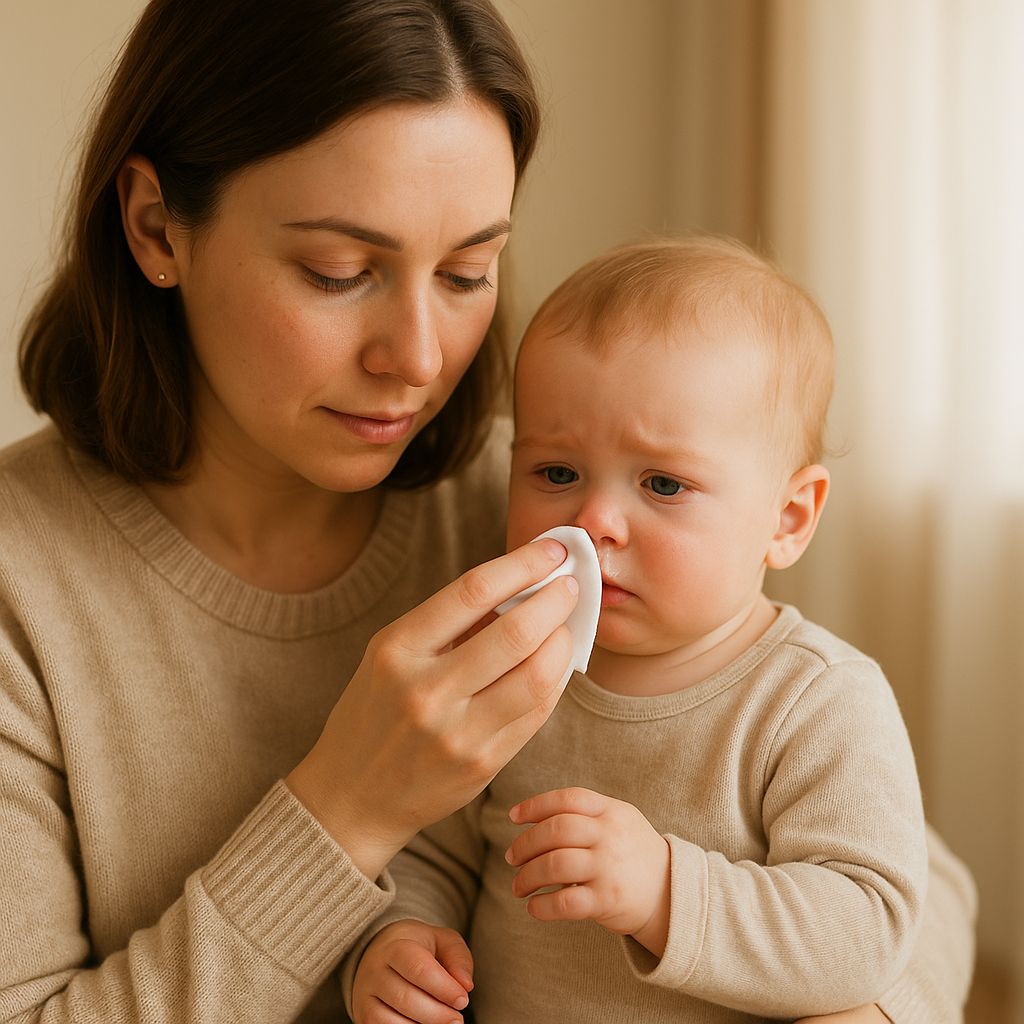
- Use soft tissues or cotton balls to wipe nose; avoid rough materials.
- Keep baby’s hands clean to prevent spreading germs.
- Maintain a calm, soothing environment.
Conclusion: Caring for Your Baby’s Runny Nose with Confidence
A runny nose is a common part of infancy and early childhood, but with expert knowledge and gentle care, you can help your baby stay comfortable and safe. Most cases resolve on their own, but knowing when to seek medical help is key. By following safe remedies and preventive measures, you can minimize discomfort and support your baby’s health.
Always trust your instincts—if your baby seems unwell or you’re concerned, don’t hesitate to call your pediatrician. With the right information, you can navigate runny noses and cold symptoms with confidence.
Frequently Asked Questions
- Is it normal for babies to have a runny nose? Yes, it's common for babies to develop a runny nose due to viral infections, allergies, or irritants.
- What home remedies are safe? Saline drops, bulb syringe, humidifiers, and ensuring hydration are safe.
- When should I call the doctor? If your baby has trouble breathing, refuses feeds, shows signs of dehydration, has a high fever, or symptoms persist.
- Can teething cause a runny nose? Teething is not a direct cause; persistent runny nose is usually due to infection or allergies.
- How can I prevent colds? Good hygiene, limiting exposure, breastfeeding, and keeping their environment clean can help.
For more expert parenting tips, visit Growing Giggles.