
Understanding Product Labels Before Buying Baby Items: A Parent’s Guide
Whether you’re a new parent or a seasoned pro, the world of baby products can feel like a maze. From bottles to blankets, lotions to toys, every item comes with a label packed with information. But what does it all mean? Deciphering these details is crucial for your baby’s safety and well-being. This comprehensive guide will help you confidently decode baby product labels, so you can make informed, safe choices for your little one.
Why Reading Baby Product Labels Matters
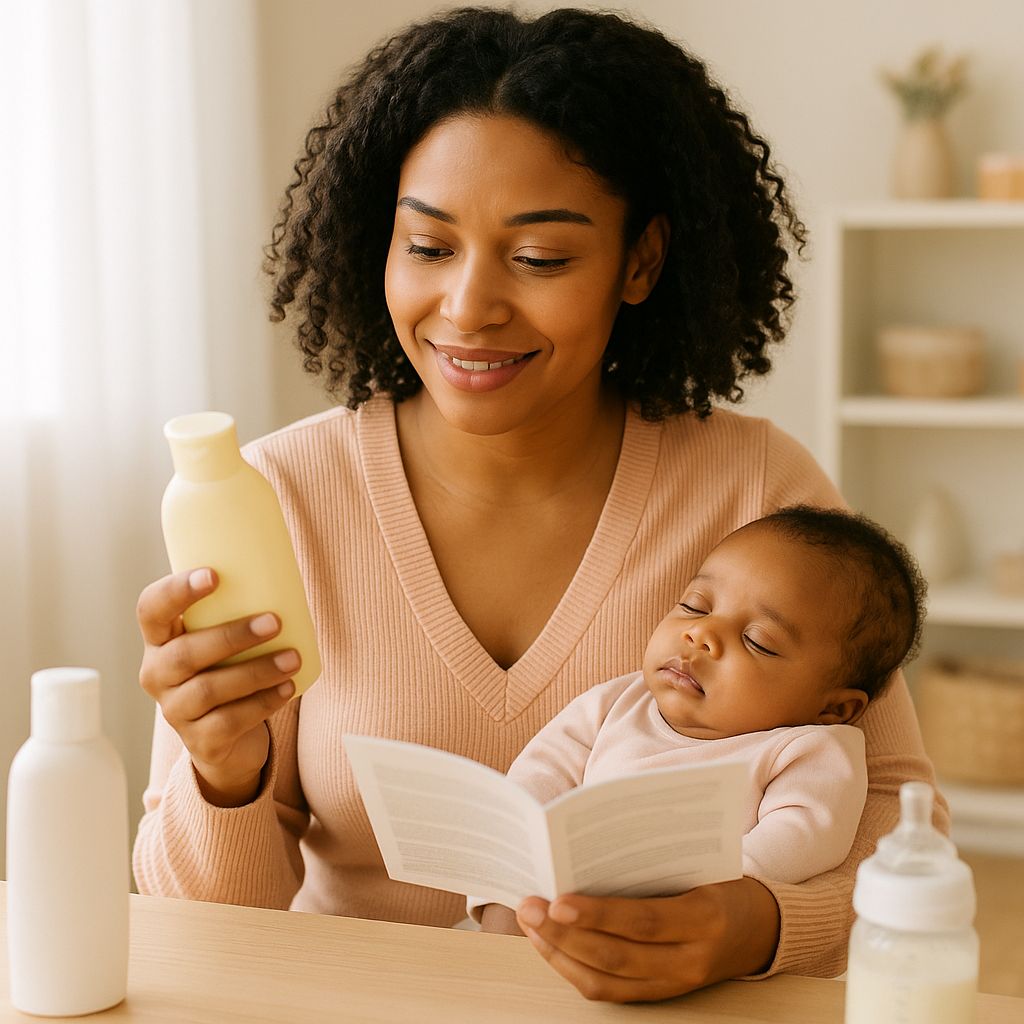
Product labels aren’t just small print—they’re your first line of defense as a parent. They tell you what’s inside, where it came from, how to use it, and whether it’s safe for your baby. Understanding labels helps you:
- Spot potential allergens
- Avoid harmful chemicals
- Identify age-appropriate products
- Ensure compliance with safety standards
- Verify eco-friendly and organic claims
What You’ll Find on Baby Product Labels
Let’s break down the key sections you’ll encounter on most baby product labels:
- Brand and Product Name: Obvious, but important for tracking recalls.
- Ingredients or Materials: Lists what the product is made of.
- Instructions: Proper usage, cleaning, and storage.
- Warnings: Age ranges, choking hazards, allergen alerts.
- Certifications and Standards: Indicates compliance with safety or environmental standards.
- Origin: Where the product was manufactured.
- Contact Information: Manufacturer’s details for questions or concerns.
Breaking Down Common Baby Product Labels
1. Safety Certifications and Standards
Certifications are your assurance that a product meets minimum safety requirements. Here are some to look out for:
- JPMA Certified: Juvenile Products Manufacturers Association certification for U.S. safety standards.
- ASTM: Products tested to American Society for Testing and Materials standards.
- CPSC: U.S. Consumer Product Safety Commission approval.
- CE Mark: Indicates compliance with European Economic Area safety rules.
- EN71: European standard for toy safety.
- GOTS: Global Organic Textile Standard for textiles.
- Oeko-Tex Standard 100: Indicates textiles are tested for harmful substances.
Tip: No certification? Be cautious, especially with products like cribs, car seats, and toys.
2. Ingredients and Materials: What’s Really Inside?
Whether it’s baby lotion or a teething toy, knowing what’s inside is essential. Here’s what to watch for:
- Plastics: Look for “BPA-free,” "phthalate-free," and “PVC-free.” These chemicals are linked to health risks.
- Textiles: Prefer 100% organic cotton or bamboo. Avoid flame retardants unless required by law.
- Baby Foods and Lotions: Short ingredient lists are better. Avoid parabens, phthalates, sulfates, and synthetic fragrances.
- Allergens: Common allergens include milk, soy, eggs, wheat, nuts, and latex. Look for clear labeling, especially if your baby has allergies.
Tip: “Fragrance” can mean a mix of undisclosed chemicals. Opt for fragrance-free or naturally scented products.
3. Warnings and Age Recommendations
Choking hazards are a big concern for young children. Labels should clearly indicate age appropriateness (e.g., “Not suitable for children under 3 years”). For clothing and bedding, look for warnings about loose items that could increase suffocation risk.
4. Usage, Care, and Storage Instructions
Proper use and care prolongs product life and keeps your baby safe. Look for:
- Washing instructions for clothes, blankets, and plush toys
- Disposal instructions for single-use items like diapers
- Assembly and installation guides for gear like car seats and cribs
5. Eco-Friendly and Organic Labels
“Green” buzzwords are everywhere, but not all eco-friendly claims are equal. Look for certifications like:
- USDA Organic: For food and personal care items with at least 95% organic ingredients.
- GOTS: For textiles that are at least 70% organic fibers.
- Oeko-Tex: Ensures textiles are free from harmful levels of over 100 substances.
Tip: “Natural” isn’t regulated. Always check for third-party certifications.
How to Spot Red Flags on Baby Product Labels
- Vague ingredient lists (e.g., “proprietary blend,” “fragrance”)
- Missing or fake certifications
- Lack of age recommendations or safety warnings
- No manufacturer contact information
- Claims that seem “too good to be true” (e.g., “100% safe for all babies”)
Tips for Reading Labels on Different Baby Products
A. Baby Food and Formula
- Check for expiration dates and storage instructions.
- Look for iron-fortified and age-appropriate products.
- Scan for added sugars, artificial flavors, or colors.
- Check for allergy warnings (e.g., contains milk, soy).
B. Skincare and Personal Care Items
- Choose products labeled “hypoallergenic” and “pediatrician tested.”
- Avoid parabens, phthalates, sulfates, and synthetic fragrances.
- Check ingredient lists for known irritants, especially if your baby has sensitive skin.
C. Toys
- Look for age recommendations and small part warnings.
- Ensure paints and plastics are non-toxic.
- Check for safety certifications (e.g., ASTM, EN71).
D. Clothing and Bedding
- Prefer organic cotton or bamboo fabrics.
- Look for flame-resistant labeling (required for sleepwear in some countries).
- Check washing instructions for ease of care.
E. Gear (Car Seats, Strollers, Carriers)
- Ensure the product meets national safety standards (e.g., JPMA, CPSC, CE).
- Read installation instructions thoroughly.
- Register your gear with the manufacturer for recall notifications.
Understanding Country-Specific Labeling Regulations
Regulations vary by country. In the U.S., the CPSC and FDA oversee labeling for many baby products. In Europe, look for the CE mark and other local certifications. Always check your country’s specific regulations for baby items, especially if you’re buying online or from international sellers.
What About Online Shopping?
Shopping online can be tricky since you can’t hold the product or examine the label. Here’s what to do:
- Read the full product description and ingredient list.
- Look for clear images of the packaging and labels.
- Read reviews for insights into real-life safety and quality.
- If in doubt, contact the seller or manufacturer for more information.
What to Do If You’re Unsure
- Contact the manufacturer for details about ingredients or safety standards.
- Ask your pediatrician about any concerns, especially with food, skincare, or medications.
- If a label is missing or unclear, consider choosing another product.
Trust Your Instincts and Stay Informed
As a parent, you’re your child’s best advocate. If something doesn’t seem right—whether it’s a vague label or a missing certification—trust your gut and move on. Staying informed about labeling standards and common red flags will help you make the safest choices for your baby.
Conclusion
Understanding baby product labels isn’t about being a perfect parent—it’s about being an informed one. With the knowledge gained from this guide, you’ll be better equipped to navigate the crowded shelves and endless product options. Always read the label, know what to look for, and don’t hesitate to ask questions. Your baby’s health and safety are always worth that extra minute.
Frequently Asked Questions
- Why is it important to read baby product labels?
- Reading product labels ensures you’re aware of the materials, potential allergens, and safety standards, helping you choose safer and more suitable items for your baby.
- What certifications should I look for on baby items?
- Common certifications include JPMA, ASTM, CPSC in the U.S., and CE marking in Europe. These indicate the product meets specific safety standards.
- How can I tell if a baby product is truly organic or eco-friendly?
- Look for recognized certifications like USDA Organic, GOTS (Global Organic Textile Standard), or Oeko-Tex Standard 100. These indicate the product meets strict environmental and safety criteria.
- Are all ingredients listed on baby product labels?
- Not always. In some regions, only key ingredients are required, and 'fragrance' can be a catch-all term. Choose transparent brands that disclose full ingredient lists.
- What should I do if a label is unclear or hard to understand?
- Contact the manufacturer for clarification, or consult your pediatrician if you’re unsure about a product’s safety or suitability.