
Traveling with a Newborn: What Is Different?
Welcoming a newborn into your family is an extraordinary experience that changes nearly every aspect of your daily life—including how you travel. Whether you’re eager to introduce your little one to relatives, embark on a family vacation, or simply need to make a necessary trip, understanding the unique considerations for traveling with a newborn is vital for a smooth, safe, and enjoyable journey. In this comprehensive guide, we’ll explore what’s truly different about traveling with a newborn, how to adjust your expectations, and expert tips to help you navigate baby’s first adventures away from home.
Why Is Traveling with a Newborn Different?
Traveling as a family is always an adventure, but adding a newborn into the mix brings a distinct set of challenges and joys. The key differences stem from the newborn’s developmental needs, their delicate health, and the logistical adjustments required for everything from packing to scheduling. Parents must be more mindful of baby’s comfort, feeding, and sleep, all while adapting to environments that may not be baby-proofed or equipped for infants.
Key Differences: Before vs. After Baby
- Packing: No more tossing clothes into a bag last-minute. Now, you’ll need to plan for diapers, wipes, feeding supplies, sleep aids, extra outfits, and emergency items.
- Scheduling: Spontaneous sightseeing is replaced with itineraries built around feeding and nap times.
- Pace: Expect to move slower, make more stops, and allow additional time for everything.
- Destinations: You’ll prioritize baby-friendly accommodations and health care access over remote adventures.
- Safety and Hygiene: Keeping your newborn healthy means new routines for sanitizing, temperature control, and safe sleep.
Is It Safe to Travel with a Newborn?
Many parents wonder when and how it's safe to travel with their new baby. Generally, it is safe to travel with a healthy newborn, but certain precautions are essential:
- Consult your pediatrician before making plans—especially for air travel or long-distance trips.
- Keep your baby’s vaccinations and checkups up to date.
- Prioritize destinations with access to healthcare and clean accommodations.
- Practice diligent hand hygiene and minimize your baby’s exposure to crowds.
Every baby is unique, so tailor your approach to your child’s needs and your family’s comfort level.
Preparing for Travel: The Newborn Packing List
Packing for a newborn means thinking beyond your own essentials. Here’s a checklist to get you started:
- Diapers (plus extras for delays)
- Wipes and diaper rash cream
- Portable changing pad
- Several changes of baby clothes
- Swaddle blankets and sleep sacks
- Feeding supplies: bottles, breast pump, formula, or breastfeeding cover
- Burp cloths and bibs
- Pacifiers and comfort items
- Baby carrier or wrap
- Travel crib or bassinet
- Car seat (safety-checked for travel)
- First aid kit and any baby medications
- Sanitizer and disinfectant wipes
Pro Tip: Pack key items in your carry-on or car bag for quick access, and consider organizing with labeled pouches or packing cubes.
Flying with a Newborn: Essential Considerations
Air travel with a newborn is possible, but it’s different from traveling with older kids or adults. Here’s what you need to know:
When Can You Fly with a Newborn?
Most airlines allow infants as young as two weeks old, but many pediatricians recommend waiting until 2-3 months, when your baby’s immune system is stronger. For medically complex or premature babies, always consult your doctor.
Before You Fly
- Check airline policies on infant tickets, bassinets, and priority boarding.
- Request a bulkhead seat for extra space and possible access to an in-flight bassinet.
- Pack enough diapers, clothes, and feeding supplies for the duration—and a few extra hours.
- Bring proof of age (birth certificate or passport) as required.
In-Flight Tips
- Feed your baby during takeoff and landing to help with ear pressure.
- Use a baby carrier for hands-free comfort and soothing.
- Keep baby warm but avoid overheating; bring layers for changing cabin temperatures.
- Sanitize surfaces around your seat and wash hands frequently.
Road Trips with a Newborn: What to Expect
Car travel offers more control than flying, but you’ll still need to adjust your approach:
- Plan for frequent stops—every 1.5 to 2 hours for feeding, diaper changes, and stretching.
- Ensure your car seat is properly installed and rear-facing.
- Keep sunshades handy to block bright light from baby’s eyes.
- Bring a cooler with ready-to-feed bottles or snacks if formula feeding.
- Assign one adult to sit in the back with your baby for easy monitoring and soothing, if possible.
Remember, safety comes first: never take your newborn out of the car seat while the car is moving, and avoid long stretches without breaks.
Adapting Your Schedule and Expectations
One of the biggest adjustments when traveling with a newborn is learning to let go of rigid schedules and embrace flexibility. Here’s how to set yourself up for success:
- Plan fewer activities and allow extra time for everything.
- Expect to spend more time in your accommodation, especially if your baby needs longer naps or is sensitive to overstimulation.
- Prioritize baby’s cues over sightseeing agendas; a well-rested and well-fed baby means a smoother trip for all.
- Communicate your needs with travel companions and ask for help when needed.
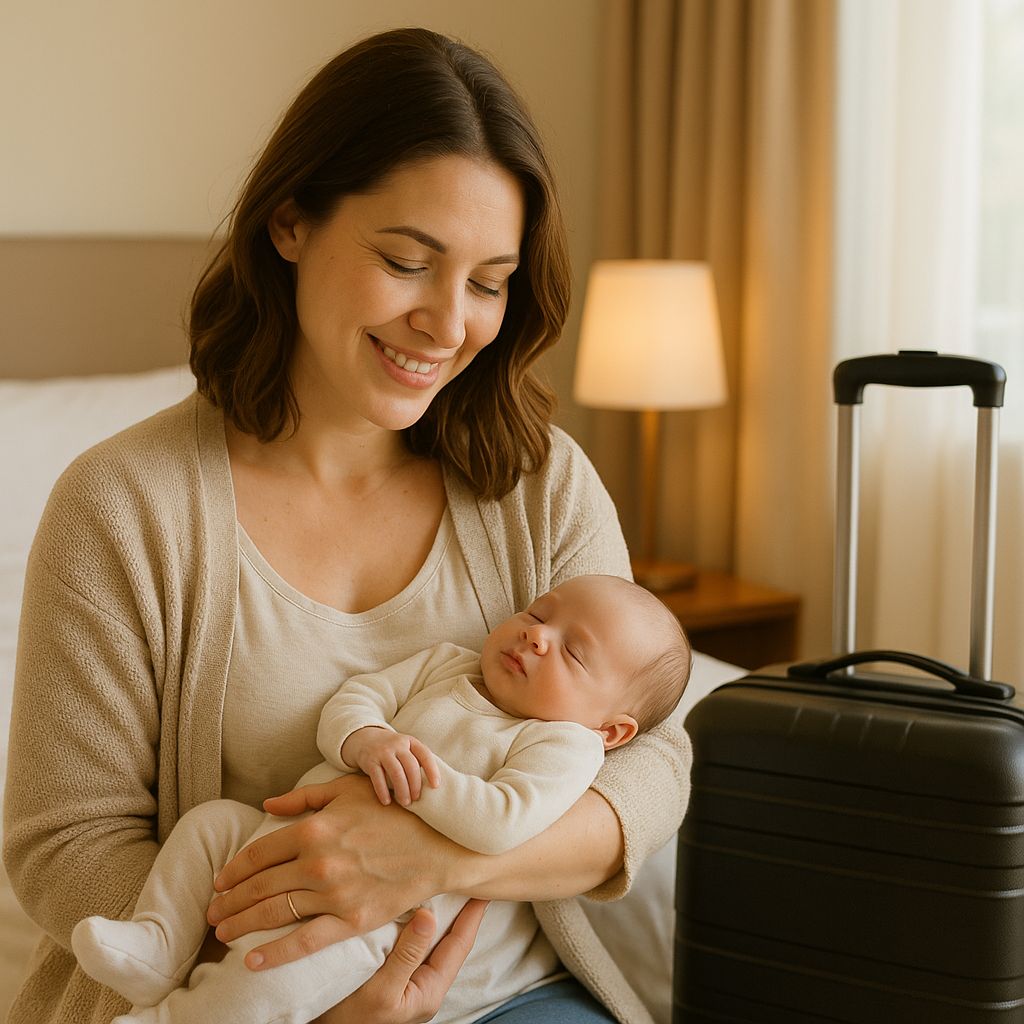
Traveling with a newborn is not about checking off tourist attractions—it’s about making memories together, even if those memories include unexpected detours and extra snuggles.
Hotel and Accommodation Tips
Where you stay matters more than ever. Look for:
- Baby-friendly amenities, like cribs, blackout curtains, and microwaves for warming bottles.
- Quiet rooms away from busy streets or elevators.
- Easy access to laundry facilities and grocery stores.
- Space for a travel crib and safe sleep environment away from hazards.
Don’t hesitate to call ahead and ask about specific accommodations for families with infants.
Feeding and Sleeping on the Go
Newborns eat and sleep frequently. Here’s how to manage routines away from home:
Feeding
- If breastfeeding, bring a nursing cover, breast pump, and storage bags as needed.
- If formula feeding, pre-measure powder and bottles, and carry a portable bottle warmer or thermos with hot water.
- Stay mindful of safe water sources for mixing formula when abroad.
Sleeping
- Recreate your baby’s sleep environment: bring a familiar blanket, white noise machine, and travel bassinet.
- Keep bedtime routines as consistent as possible to help your baby adjust to new surroundings.
- Practice safe sleep guidelines wherever you go: infants should sleep on their backs, on a firm, flat surface, with no loose bedding.
Health and Safety Precautions
- Carry your pediatrician’s contact information and know where the nearest hospital or urgent care is located.
- Bring a thermometer and baby-safe fever reducer, just in case.
- Sanitize hands and surfaces regularly, especially on planes and in public places.
- Protect your baby from sun exposure with hats, shades, and lightweight clothing.
Making Travel Enjoyable for Everyone
Traveling with a newborn is a unique bonding experience that can deepen your family connection. Embrace the slower pace, savor the little moments, and give yourself permission to adapt your plans as needed. Remember, what’s different isn’t just the logistics—it’s the opportunity to see the world through your child’s eyes, even if that means appreciating the view from a quiet hotel room or the back seat of your car.
Conclusion
Traveling with a newborn is different, but it’s not impossible. With thoughtful preparation, flexible expectations, and a focus on your baby’s needs, you can enjoy meaningful adventures as a family. Start small, trust your instincts, and remember that every trip is an opportunity to build resilience—for you and your newest traveler.
Frequently Asked Questions
- Is it safe to travel with a newborn?
- Yes, with proper preparation, it's generally safe for healthy newborns. Always check with your pediatrician first.
- How soon can you travel with a newborn?
- Many doctors recommend waiting until your baby is 2-3 months old, especially for air travel. Short car trips can often be taken sooner with care.
- What are the biggest challenges when traveling with a newborn?
- Sleep disruptions, feeding logistics, managing baby gear, and unpredictable schedules are common challenges. Flexibility is key.
- What should I pack when traveling with a newborn?
- Diapers, wipes, clothing changes, feeding supplies, a travel crib or bassinet, and comfort items are essential.
- How do I keep my newborn comfortable during travel?
- Dress your baby in layers, feed on demand, maintain safe sleep, and use a baby carrier for comfort and security.