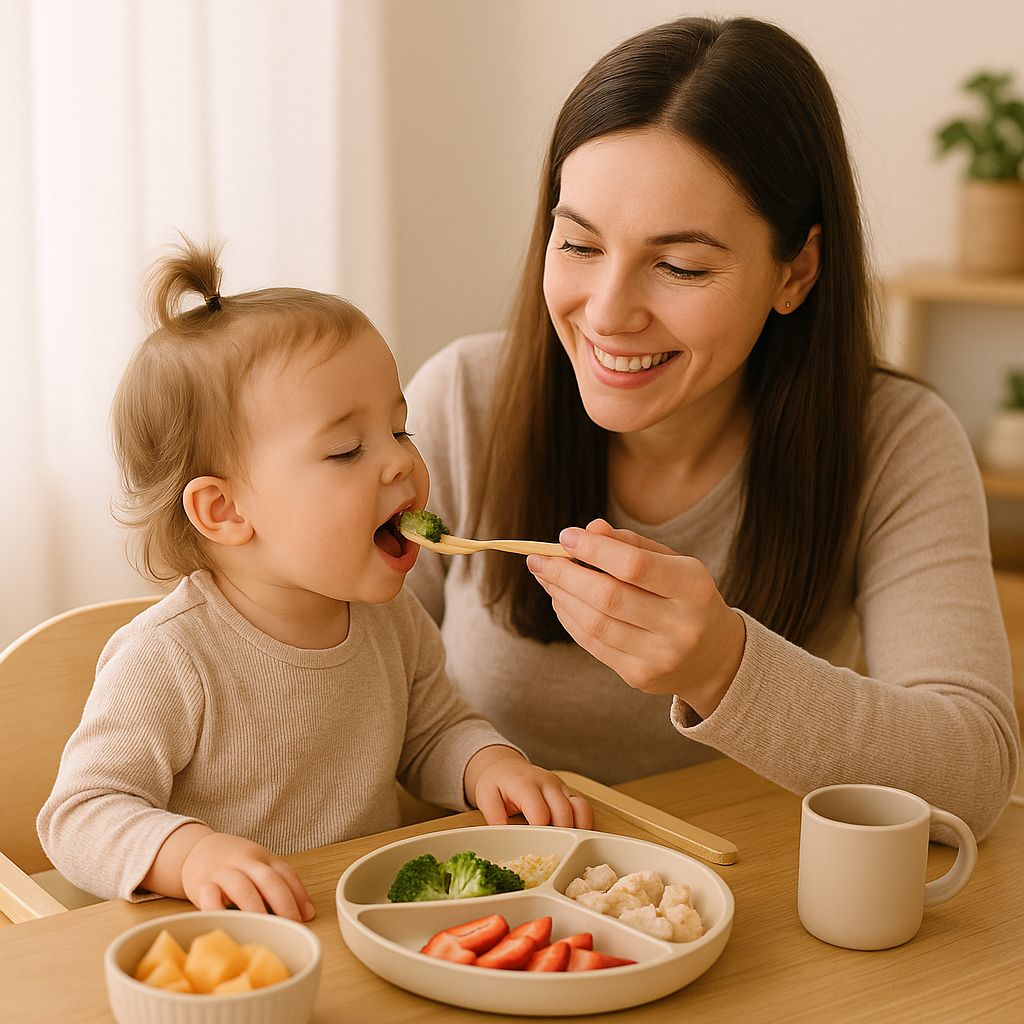

Toddler Meal Plan for 1–3 Years: Balanced Diet Guide for Happy, Healthy Kids
Feeding a toddler can feel like a juggling act. Some days, they’re adventurous eaters. Other days, only crackers and cheese will do. Navigating these ups and downs is part of the parenting journey! If you’re looking for a toddler meal plan for ages 1–3 years that supports growth, development, and mealtime joy, you’re in the right place.
Why a Balanced Meal Plan Matters for Toddlers
Toddlers are growing rapidly—physically, mentally, and emotionally. Their nutritional needs are unique, and the right balance of foods helps them:
- Build strong bones and muscles
- Support brain development
- Maintain energy for play and learning
- Form healthy eating habits for life
But toddlers are also famously fussy! Having a flexible meal plan gives you structure, reduces mealtime stress, and encourages variety.
Key Nutrients for 1–3 Year Olds
Here’s a quick look at the nutrients toddlers need most:
- Protein: For muscle, tissue, and immune support. Sources: eggs, poultry, fish, tofu, beans.
- Calcium: For bone and teeth health. Sources: milk, yogurt, cheese, fortified plant milks.
- Iron: For brain development and oxygen transport. Sources: lean meat, beans, spinach, fortified cereals.
- Healthy Fats: For brain growth. Sources: avocado, nut butters (thinly spread), olive oil, fatty fish.
- Vitamins A, C, D, E: For immunity and growth. Sources: fruits, veggies, eggs, fortified foods.
How Much Should a Toddler Eat?
Appetite varies day to day, but toddlers generally need:
- Three meals and two snacks daily
- Portion sizes about 1/4 to 1/2 of an adult’s
- About 1,000–1,400 calories/day, depending on activity level
Trust their hunger cues—forcing food can lead to power struggles. It’s normal for toddlers to eat more some days and less on others.
Food Groups: Building Blocks of a Balanced Meal Plan
A healthy toddler meal plan includes:
- Fruit: Fresh, frozen, or canned (in water)
- Vegetables: Cooked, raw (as appropriate), or steamed
- Grains: Whole grains like oatmeal, whole wheat bread, brown rice
- Protein: Lean meats, eggs, beans, tofu, lentils
- Dairy: Milk, yogurt, cheese, or fortified plant alternatives
Offer a variety at each meal, and rotate options through the week to prevent boredom.
Sample Toddler Meal Plan (1–3 Years)
Here’s a sample meal plan for a typical day. Adjust portions to your child’s appetite and preferences:
Breakfast
- Scrambled egg (or tofu scramble)
- Whole grain toast, lightly buttered
- Sliced strawberries
- Milk or fortified plant milk
Morning Snack
- Plain yogurt with diced peaches
- Mini rice cakes
Lunch
- Grilled chicken strips
- Steamed broccoli florets
- Brown rice or quinoa
- Sliced kiwi
Afternoon Snack
- Hummus with soft veggie sticks (steamed carrots, cucumber, bell pepper)
- Cheese cubes
Dinner
- Mini turkey meatballs
- Mashed sweet potatoes
- Steamed peas
- Apple slices (peeled, if needed)
Tip: Serve water with snacks and meals. Milk is recommended at breakfast and dinner.
Meal Planning Tips for Busy Parents
- Batch cook and freeze: Make extra portions of toddler-friendly meals for busy days.
- Offer family meals: Toddlers learn by watching you eat. Serve the same meal (with modifications if needed) for everyone.
- Prep ahead: Wash and chop veggies in advance. Store snacks in easy-to-grab containers.
- Rotate favorites: If your child loves a particular food, use it in different ways to add variety.
- Keep mealtimes positive: Avoid pressure, praise trying new foods, and enjoy the company.
Dealing With Picky Eaters
Picky eating is common in toddlers. Here’s how to handle it:
- Offer a small amount of new foods alongside favorites.
- Don’t force, bribe, or punish around food.
- Let toddlers explore—touching, smelling, and playing with food is part of learning.
- Serve foods in fun shapes or colorful plates.
- Involve your toddler in shopping or cooking.
Remember: It can take 10–15 exposures for a toddler to accept a new food!
Smart Snacking for Toddlers
Snacks are important for toddlers, providing energy between meals. Make snacks nutritious:
- Fresh fruit (banana, melon, berries)
- Whole grain crackers with cheese
- Mini sandwiches
- Yogurt or cottage cheese
- Soft-cooked veggies
- Nut butter (thinly spread) on toast
Avoid sugary snacks, candy, and juice. Water is the best drink.
Hydration: What Should Toddlers Drink?
- Water: Primary drink throughout the day
- Milk: 16–24 oz/day (cow’s or fortified plant milk)
- Juice: Limit or avoid; if used, dilute and serve occasionally
Offer water with every meal and snack. Milk should not replace meals or snacks.
Common Foods to Avoid for Toddlers
- Choking hazards: whole grapes, nuts, popcorn, raw carrots, hot dogs (unless sliced very thin)
- Added sugars and salt: Skip processed foods, sodas, and salty snacks
- Honey: Avoid under 12 months
- Unpasteurized dairy or juices
Allergy-Friendly Meal Planning
If your toddler has allergies (dairy, egg, nuts, gluten), consult your pediatrician or dietitian for safe alternatives. Many options exist—like fortified plant milks, gluten-free grains, and soy-based proteins.
Involving Your Toddler in Mealtime
Kids are more likely to eat foods they help prepare! Try these ideas:
- Let them stir batter, wash veggies, or pick fruit
- Offer choices: “Would you like broccoli or carrots?”
- Make mealtime fun with colorful plates and utensils
Sample Weekly Toddler Meal Plan
Here’s a 7-day meal plan, with ideas for breakfast, lunch, dinner, and snacks. Mix and match based on your child’s tastes!
| Day | Breakfast | Lunch | Dinner | Snacks |
|---|---|---|---|---|
| Monday | Oatmeal with blueberries & milk | Turkey sandwich, cucumber slices, orange wedges | Baked salmon, mashed potatoes, peas | Yogurt, banana |
| Tuesday | Whole grain waffles, apples, milk | Chicken quesadilla, avocado, cherry tomatoes | Pasta with tomato sauce, steamed broccoli | Cheese cubes, grapes (quartered) |
| Wednesday | Scrambled eggs, toast, strawberries | Lentil soup, whole grain bread, carrot sticks | Mini turkey meatballs, sweet potato mash, green beans | Hummus, pita, bell pepper strips |
| Thursday | Greek yogurt, peaches, granola | Grilled cheese, tomato soup, apple slices | Chicken stir-fry, brown rice, steamed veggies | Rice cakes, pear |
| Friday | Pancakes, berries, milk | Egg salad sandwich, spinach, melon cubes | Fish sticks, roasted potatoes, corn | Cottage cheese, kiwi |
| Saturday | Mini muffins, banana, milk | Bean chili, brown rice, shredded cheese | Chicken drumsticks, pasta, zucchini | Apple, peanut butter (thinly spread) |
| Sunday | French toast, berries, milk | Tuna salad, whole grain crackers, carrot sticks | Veggie lasagna, garlic bread, spinach salad | Yogurt, pineapple |
When to Seek Expert Advice
If your toddler:
- Is losing weight or not growing
- Has severe food aversions
- Shows signs of food allergies
- Has chronic constipation or diarrhea
…consult your pediatrician or a registered dietitian. They can help tailor a meal plan to your child’s needs.
Final Thoughts
Every toddler is unique! The best meal plan is one that fits your child’s tastes, your family’s routine, and provides a rainbow of nutrients every week. Keep meals positive, involve your little one, and trust their appetite. With patience and creativity, you’ll nurture healthy habits—and happy mealtimes—for years to come.
Frequently Asked Questions
- How much food should my toddler eat each day? Toddlers generally need three meals and two snacks daily. Portion sizes are smaller than adults—think 1/4 to 1/2 of an adult portion. Trust your child’s hunger cues and avoid forcing them to finish their plate.
- What foods should I avoid for my toddler? Skip choking hazards (whole grapes, nuts, popcorn), added sugars, excessive salt, and highly processed foods. Honey should be avoided in children under 12 months due to botulism risk.
- How can I encourage my picky eater to try new foods? Offer a variety of foods without pressure, involve your toddler in meal prep, and model healthy eating. Repeated exposure—sometimes 10+ times—helps them accept new foods.
- Is cow’s milk necessary for toddlers? Cow’s milk provides calcium, protein, and vitamin D, but isn’t strictly necessary if your child gets these nutrients from other sources. For most toddlers, 16–24 oz/day is recommended, but consult your pediatrician for allergies or special diets.
- Can I use plant-based milks for my toddler? Plant-based milks (like almond or oat) are often low in protein and calcium. If using them, select fortified versions and ensure your toddler gets adequate protein, calcium, and vitamin D from other sources.
Have more questions? Leave a comment below or reach out to your pediatrician for personalized advice!