
Teething Symptoms and Relief Tips: A Guide for Parents of Infants
Teething is a natural developmental milestone in infants that marks the arrival of their first teeth. While it’s an exciting stage for parents, it often brings discomfort and challenges for babies. Understanding teething symptoms and knowing how to provide safe relief can help your little one navigate this phase with minimal distress. This guide from Growing Giggles covers everything you need to know about teething symptoms, expert relief tips, and answers to common questions.
When Does Teething Begin?
Teething typically starts between 4 and 7 months of age, though it can vary from one infant to another. Some babies may show signs earlier or later, depending on their individual development. The lower central incisors are usually the first teeth to emerge, followed by the upper central incisors.
Common Teething Symptoms in Infants
Recognizing teething symptoms can help you differentiate between normal developmental discomfort and more serious health issues. Here are the most common signs:
- Drooling: Increased saliva production is often one of the first signs. You may notice your baby’s chin is frequently wet.
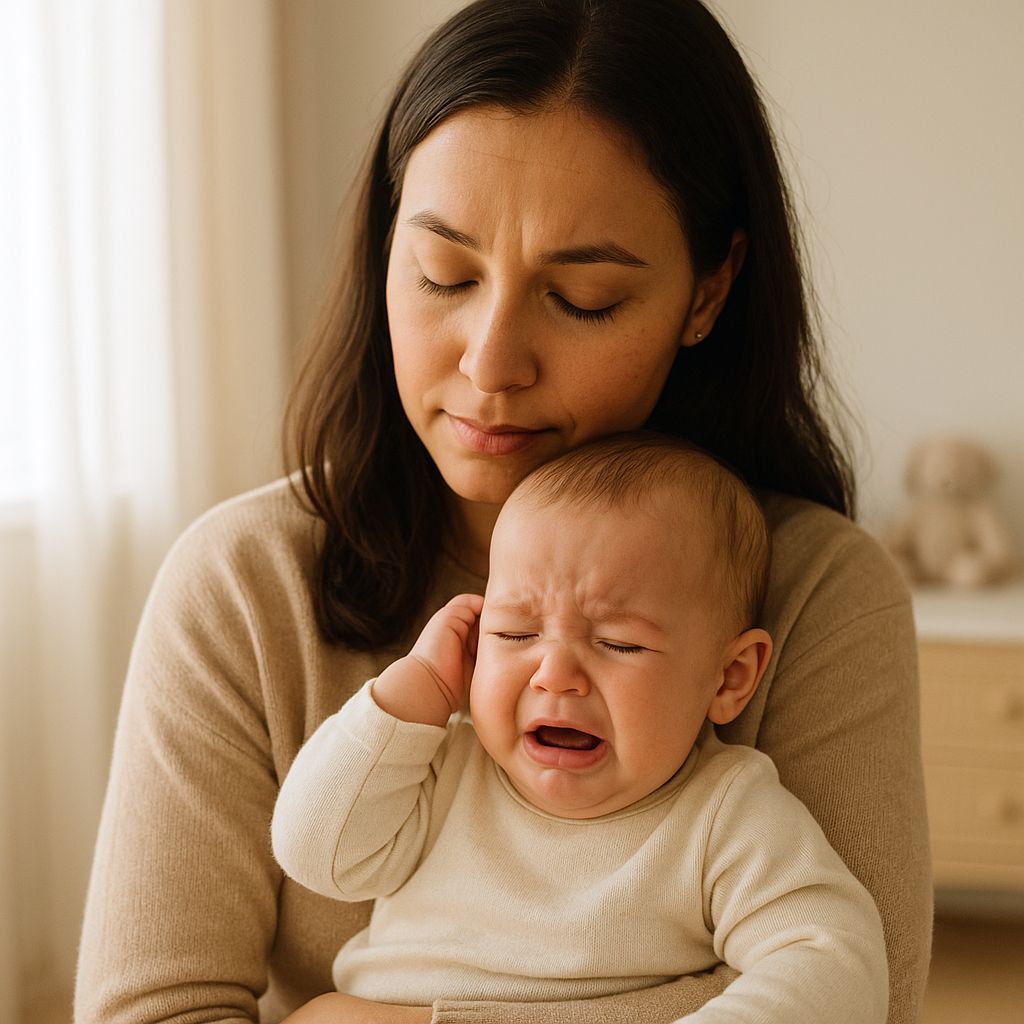
- Irritability: Teething can make babies fussy and cranky due to the discomfort of emerging teeth.
- Swollen or Tender Gums: Gums may appear red and swollen where teeth are coming in; some infants resist feeding due to gum pain.
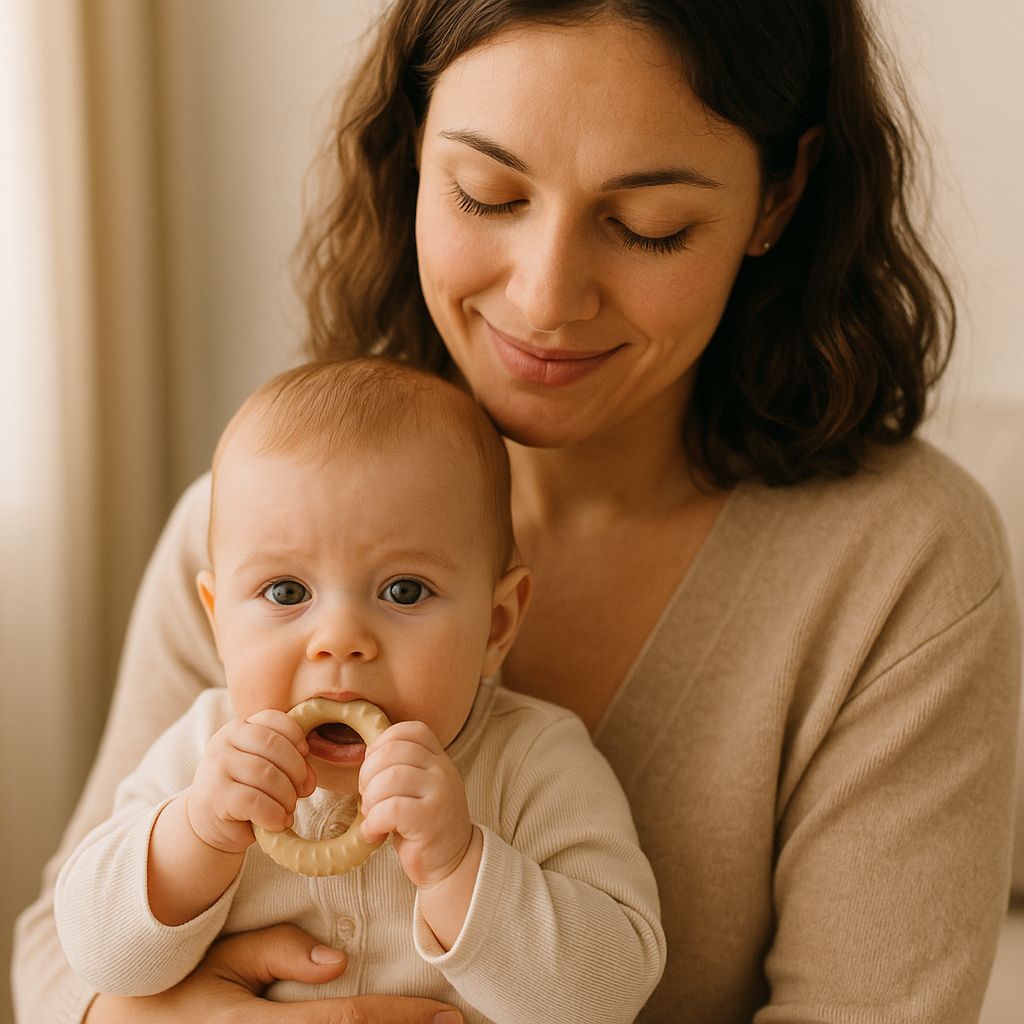
- Chewing and Biting: Babies instinctively try to relieve gum pressure by chewing on toys, fingers, or other objects.
- Disrupted Sleep: Teething pain can interfere with sleep, causing more frequent night waking.
- Mild Loss of Appetite: Soreness may make infants less interested in eating or nursing.
- Ear Pulling and Facial Rubbing: Babies may tug at their ears or rub their cheeks because the nerves in the gums connect to the ear area.
- Rash Around the Mouth: Excess drooling can lead to minor skin irritation or rash on the chin and cheeks.
Symptoms Not Directly Related to Teething
Some symptoms, such as high fever, severe diarrhea, or vomiting, are not typically caused by teething. If your baby exhibits these signs, consult your pediatrician to rule out other illnesses.
Expert Teething Relief Tips for Infants
While teething is unavoidable, there are several safe and effective ways to soothe your baby’s discomfort:
1. Offer Teething Toys
Choose teething toys made from safe, BPA-free materials. Chilled (not frozen) toys can provide extra relief. Always supervise your baby during use and clean toys regularly.
2. Gentle Gum Massage
Wash your hands thoroughly and gently rub your baby’s gums with a clean finger. The pressure can ease discomfort and help teeth emerge.
3. Cold Washcloths
Give your baby a clean, cold washcloth to chew on. The cold helps reduce swelling and numbs the gums.
4. Breastfeeding or Bottle Feeding
Some infants find comfort in sucking. If your baby is willing, offer more frequent feeds for comfort—though some may refuse due to gum pain.
5. Over-the-Counter Pain Relief (Use with Caution)
Consult your pediatrician before using any medication. If recommended, a dose of infant acetaminophen or ibuprofen can help relieve pain, especially at night.
6. Maintain Oral Hygiene
Even before teeth emerge, gently wipe your baby’s gums with a soft, damp cloth. Once teeth erupt, use a baby toothbrush and water.
Teething Remedies to Avoid
Not all teething remedies are safe. Here are some to avoid:
- Teething Gels with Benzocaine: These can cause serious side effects, including methemoglobinemia, which decreases oxygen in the blood.
- Homeopathic Teething Tablets: Some have been linked to adverse reactions; their efficacy and safety are not well-established.
- Amber Teething Necklaces: These pose choking and strangulation risks.
- Frozen Objects: Extremely cold items can damage sensitive gum tissue.
Always check with your pediatrician before trying new remedies.
Supporting Your Baby During Teething
Teething can be a challenging phase for both parents and infants. Here are some additional ways to support your baby:
- Comfort and Cuddles: Physical affection can help soothe your baby’s distress.
- Pacifiers: If your baby uses a pacifier, ensure it’s clean and free from damage.
- Keep the Chin Dry: Use bibs and wipe away drool frequently to prevent skin irritation.
- Maintain Routine: Consistency in sleep and feeding schedules helps your baby feel secure.
When to Consult a Pediatrician
While most teething symptoms are mild, contact your doctor if:
- Your baby has a high fever (above 101°F/38.3°C).
- There is persistent diarrhea or vomiting.
- Your baby refuses to eat or drink.
- Gums are bleeding or have pus.
- Symptoms persist longer than expected or worsen.
Oral Care for Infants Post-Teething
Once your baby’s teeth emerge, start a daily oral hygiene routine. Use a baby toothbrush with soft bristles and water. Avoid toothpaste until your child is old enough to spit it out (typically around age two).
Establishing Healthy Dental Habits
- Clean your baby’s gums and teeth twice a day.
- Never put your baby to bed with a bottle; this can cause tooth decay.
- Schedule your child’s first dental visit by their first birthday.
Teething Timeline: What to Expect
Understanding the typical timeline can help set your expectations:
| Age | Teeth Erupting |
|---|---|
| 4-7 months | Lower central incisors |
| 8-12 months | Upper central incisors |
| 9-16 months | Lateral incisors |
| 13-19 months | First molars |
| 16-23 months | Canines |
| 23-33 months | Second molars |
Frequently Asked Questions About Teething
- What are the first signs of teething in infants?
- The first signs are often increased drooling, irritability, swollen gums, and a tendency to chew on objects. Some infants may also experience disrupted sleep or mild loss of appetite.
- How can I safely relieve my baby’s teething pain?
- Safe relief methods include offering chilled teething toys, gently massaging your baby’s gums with a clean finger, and using a cold washcloth. Avoid teething gels with benzocaine and amber necklaces.
- Is fever a normal symptom of teething?
- A mild increase in temperature is common, but a high fever (above 101°F/38.3°C) is not typical and may indicate another illness. Consult your pediatrician if your baby has a high fever.
- Can teething cause diarrhea?
- Teething does not directly cause diarrhea. If your baby has persistent diarrhea, it’s important to consult a healthcare provider as it may be related to another condition.
- When should I call a doctor about teething symptoms?
- Contact your pediatrician if symptoms are severe, your baby refuses to eat or drink, has a high fever, excessive drooling leading to dehydration, or if you notice pus or bleeding from the gums.
Conclusion
Teething is a natural part of your infant’s development, but it can be challenging for both you and your baby. By understanding teething symptoms and using expert-recommended relief tips, you can help ease discomfort and support your child’s oral health. Always prioritize safety and consult your pediatrician if you have concerns. With patience and care, your baby will soon be smiling with their new teeth!
References
- American Academy of Pediatrics. "Teething: Signs and Relief." HealthyChildren.org.
- Centers for Disease Control and Prevention. "Oral Health for Infants." CDC.gov.
- National Institutes of Health. "Teething in Babies." MedlinePlus.gov.