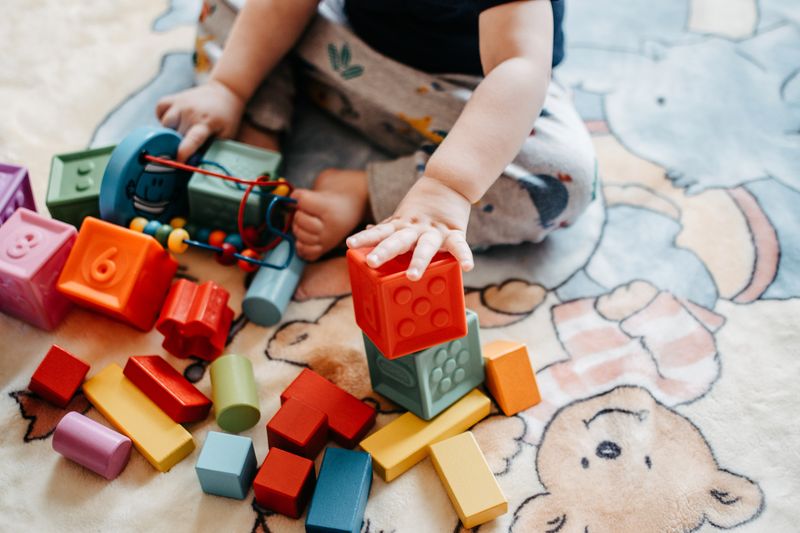

Teething Pain Relief for Babies: What Actually Helps at Home
Teething is a major milestone in your baby's development, but it can also be a challenging time marked by fussiness, drooling, and sleepless nights. As a parent, watching your little one struggle with teething discomfort can be distressing. Fortunately, there are effective, safe home remedies and expert-backed strategies to help relieve teething pain and soothe your baby. This comprehensive guide will walk you through what actually works at home, what to avoid, and how to ensure your baby's comfort and safety during the teething journey.
Understanding Teething: What Happens and When?
Teething typically begins between 4 and 7 months of age, though every baby is different. The process involves the movement of primary (baby) teeth through the gums, which can lead to a variety of symptoms. While the experience varies from child to child, common signs of teething include:
- Excessive drooling
- Swollen or tender gums
- Increased fussiness or irritability
- Chewing on fingers or toys
- Disrupted sleep patterns
- Mild increase in temperature (not high fever)
It's important to note that teething does not cause high fever, diarrhea, or severe illness. If your baby experiences these symptoms, consult your pediatrician.
Why Does Teething Hurt?
As teeth push through the gum tissue, they cause inflammation, swelling, and mild pain. Some babies are more sensitive to this process than others. The discomfort usually peaks just before the tooth erupts, then subsides until the next tooth begins to emerge.
Safe and Effective Home Remedies for Teething Pain
Many parents wonder which teething remedies are truly effective and safe. Here are the best expert-approved options to try at home:
1. Chilled (Not Frozen) Teething Toys
Cold helps numb the gums and reduce inflammation. Offer your baby a chilled (not frozen solid) teething ring or toy. Silicone or rubber teethers are best, as they are sturdy and easy to clean. Avoid freezing teethers, as this can make them too hard and potentially harm your baby's gums.
- Tip: Always supervise your baby when using teething toys to prevent choking or injury.
2. Cold, Wet Washcloths
Dampen a clean washcloth, twist it, and chill it in the refrigerator for 30–60 minutes. Let your baby gnaw on the cold cloth to massage sore gums and provide relief. This is a simple and affordable solution that also absorbs drool.
3. Gentle Gum Massage
Wash your hands thoroughly and use a clean finger to gently rub your baby's gums with light pressure. This can help break up the tension and soothe discomfort. Some babies find this direct contact very comforting.
4. Offer Safe Foods (for Older Babies)
If your baby is already eating solid foods (usually around 6 months or older), you can offer cold, age-appropriate foods like chilled applesauce, yogurt, or a peeled, cold cucumber stick. Always supervise closely and avoid hard foods that could pose a choking hazard.
5. Distraction and Comfort
Sometimes, the best remedy is comfort and distraction. Extra cuddling, gentle rocking, singing, or a relaxing bath can help your baby feel more secure and less focused on the pain.
What About Teething Gels and Medications?
Many over-the-counter teething gels contain benzocaine or lidocaine, which the U.S. Food & Drug Administration (FDA) warns against using in children under two years due to potential serious side effects, including breathing problems. Homeopathic teething tablets containing belladonna have also been linked to health risks.
- Do not use: Teething gels, creams, or tablets containing benzocaine, lidocaine, or belladonna.
- Do not: Rub aspirin on your baby’s gums or give honey to infants under 12 months.
If your baby seems very uncomfortable, talk to your pediatrician before using any pain medication. In some cases, acetaminophen (Tylenol) or ibuprofen (for babies over 6 months) may be recommended, but only under medical guidance.
Popular Teething Myths and What to Avoid
There are many teething "remedies" that are not safe or effective. Here are some common myths debunked:
- Amber teething necklaces: These pose a choking and strangulation risk and are not recommended by pediatricians.
- Frozen bagels, carrots, or hard foods: These can break and become choking hazards. Only offer age-appropriate, soft foods and always supervise.
- Teething powders and tablets: Many contain potentially harmful ingredients and lack scientific evidence of effectiveness.
- Alcohol: Never apply alcohol to a baby’s gums.
Hygiene and Teething: Keeping Your Baby Safe
With all the drooling and chewing, it’s crucial to keep teething toys, pacifiers, and washcloths clean to prevent the buildup of bacteria. Wash teethers daily with warm, soapy water and sterilize regularly. Rotate clean washcloths and avoid sharing toys between siblings without cleaning.
When Is Teething Pain Not Normal?
Teething should not cause severe or persistent symptoms. Call your pediatrician if your baby has:
- Fever above 100.4°F (38°C)
- Diarrhea or vomiting
- Ear pulling or signs of ear infection
- Refusal to eat or drink for more than a day
- Unusual rashes
Always trust your instincts—if something feels off, reach out to your healthcare provider.
Supporting Your Baby Through Teething: Practical Tips
- Stay Calm: Teething is temporary. Your calm presence helps your baby feel secure.
- Protect the Skin: Excessive drooling can irritate your baby's chin and cheeks. Gently wipe drool and apply a thin layer of petroleum jelly or a baby-safe moisturizer as needed.
- Extra Comfort: Offer extra snuggles and attention during this challenging phase.
- Maintain Routine: Consistent routines around meals, naps, and bedtime can help soothe your baby.
Frequently Asked Questions About Teething Pain Relief
- What are the first signs of teething in babies?
- Common signs include excessive drooling, swollen gums, irritability, chewing on objects, and disrupted sleep. Some babies may also have a slight increase in temperature, but a high fever is not typical.
- Are teething gels safe for my baby?
- Most pediatricians recommend against teething gels containing benzocaine or lidocaine due to the risk of serious side effects. Opt for natural remedies like cold teething rings instead.
- Can I give my baby pain relievers for teething?
- If your baby is very uncomfortable, consult your pediatrician before giving any medication. Acetaminophen or ibuprofen may be recommended in some cases, but only under medical supervision.
- How long does teething pain last?
- Teething discomfort usually lasts for a few days before and after a tooth emerges. However, since teeth erupt at different times, teething symptoms may come and go over several months.
- What should I avoid when soothing my teething baby?
- Avoid teething necklaces, gels with dangerous ingredients, and homeopathic tablets containing belladonna. Never tie anything around your baby's neck or leave choking hazards unattended.
Summary: How to Help Your Teething Baby at Home
Teething is a normal part of infancy, but it can be tough on both babies and parents. Safe, simple home remedies like chilled teethers, cold washcloths, gentle gum massages, and extra cuddles can make a world of difference. Avoid risky products and always monitor your baby during teething. If you're ever concerned about your baby's health, don't hesitate to reach out to your pediatrician.
With patience, knowledge, and the right tools, you can help your baby navigate teething with comfort and care.