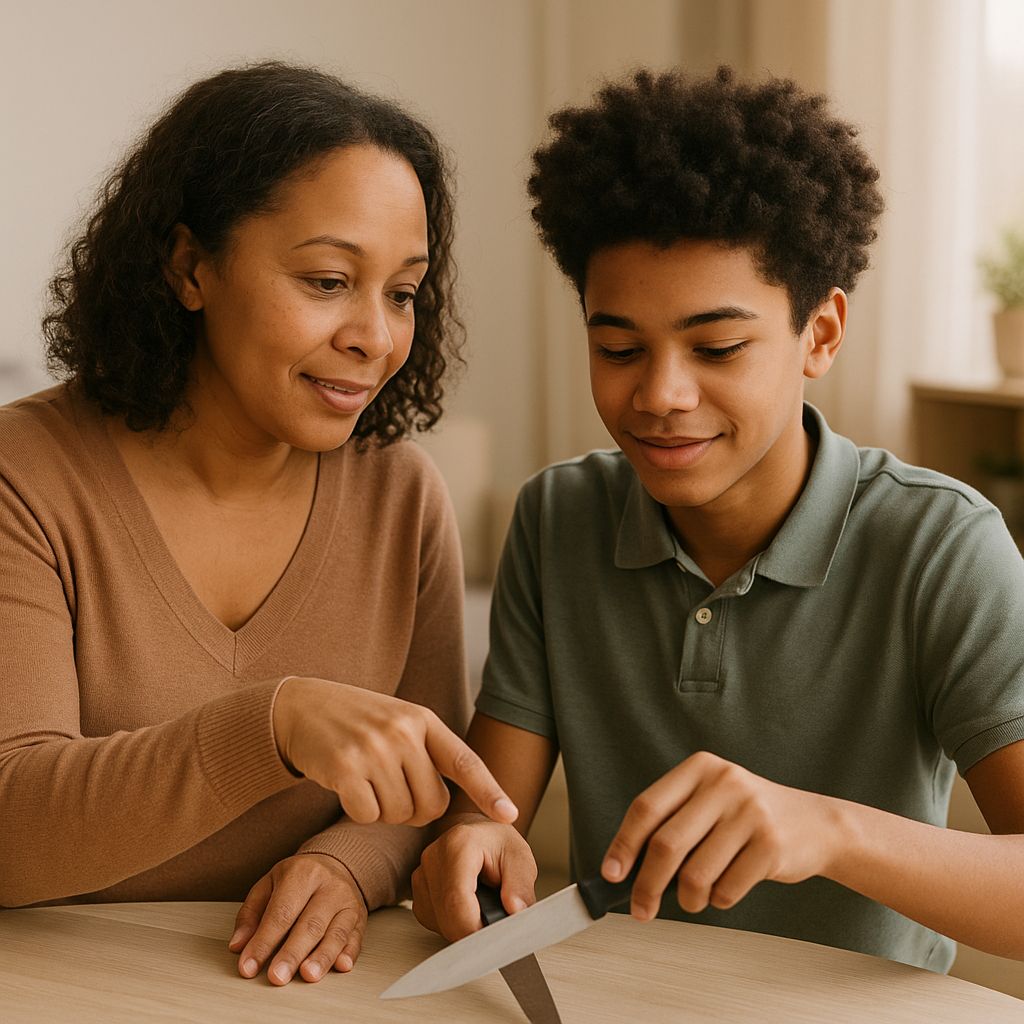

Teaching Teens Basic Life Skills for Independence: Your Guide to Raising Confident Individuals
As parents, one of our most important roles is preparing our children for the transition from adolescence to adulthood. The teen years are a critical window for learning and practicing essential life skills that build independence, confidence, and resilience. While academics are important, basic life skills often take a back seat—yet they’re the foundation for lifelong success. In this guide, we’ll explore practical strategies for teaching teens basic life skills, offer actionable advice, and help you foster independence in your teenager.
Why Are Life Skills So Important for Teens?
Life skills are the practical abilities and routines that help individuals navigate daily challenges. They include everything from managing money and cooking meals to communicating effectively and handling emotions. Teens who master these skills are better equipped to face adulthood, make informed decisions, and thrive in a variety of situations.
- Confidence: Teens feel empowered when they know how to handle everyday tasks.
- Responsibility: Learning life skills encourages accountability and ownership.
- Problem-solving: Teens gain the ability to tackle challenges creatively and independently.
- Transition readiness: Life skills ease the shift from living at home to college, work, or their own household.
Essential Life Skills Every Teen Should Learn
Let’s break down the basic life skills that set teens up for success:
1. Money Management
Understanding finances is a cornerstone of independence. Teach your teen about budgeting, saving, spending wisely, and the basics of banking. Consider setting up a joint bank account, giving them a monthly allowance, and involving them in household budgeting.
- How to balance a checkbook
- Using debit and credit cards responsibly
- Understanding interest, loans, and debt
- Saving for goals and emergencies
2. Cooking & Nutrition
Learning to cook healthy meals is essential for self-sufficiency. Start with simple recipes and gradually introduce more complex dishes. Discuss nutrition and the importance of balanced meals.
- Meal planning and grocery shopping
- Basic kitchen safety (handling knives, stove use, food storage)
- Reading nutrition labels
- Cooking essentials: boiling, baking, frying, grilling
3. Cleaning & Household Maintenance
Keeping a tidy living space is crucial for health and mental well-being. Teach your teen how to clean, organize, and maintain their room and shared spaces.
- Laundry basics (sorting, washing, drying, folding)
- Cleaning bathrooms, kitchens, and common areas
- Organizing personal items
- Basic home repairs (changing light bulbs, unclogging drains)
4. Time Management & Organization
Efficient use of time supports academic, personal, and professional success. Encourage your teen to use planners, calendars, and digital reminders.
- Setting priorities and deadlines
- Balancing school, work, and social life
- Breaking large tasks into manageable steps
- Dealing with procrastination
5. Communication & Social Skills
Strong communication skills help teens express themselves, build relationships, and resolve conflicts. Role-play scenarios, discuss active listening, and practice assertiveness.
- Making phone calls, writing emails, and professional etiquette
- Handling disagreements and negotiating solutions
- Understanding body language and social cues
- Building empathy and respect
6. Problem-Solving & Critical Thinking
Encourage your teen to tackle challenges head-on. Discuss real-life scenarios, brainstorm solutions, and evaluate outcomes together.
- Identifying problems and generating options
- Weighing pros and cons
- Learning from mistakes and setbacks
- Seeking help when needed
7. Emotional Regulation & Self-Care
Managing stress, emotions, and mental health is vital. Teach your teen coping strategies, mindfulness, and the importance of asking for help.
- Recognizing and naming emotions
- Healthy coping mechanisms (journaling, exercise, meditation)
- Building a support network
- Balancing screen time and self-care routines
How to Teach Life Skills: Practical Strategies
Teaching life skills isn’t a one-time lesson—it’s a gradual process built on mentorship, practice, and encouragement. Here are proven tips for fostering independence:
Model Positive Behaviors
Show your teen how you handle daily tasks. Whether you’re cooking dinner, budgeting, or cleaning, invite them to watch, participate, and ask questions. Be honest about your own mistakes and how you learn from them.
Give Responsibility
Assign age-appropriate chores and let your teen take ownership. Rotate tasks so they gain experience in different areas, and avoid micromanaging. Trust them to complete tasks in their own way, offering guidance only when needed.
Make It Relevant
Connect life skills to your teen’s interests and goals. If they love sports, discuss nutrition and time management. If they’re saving for a trip, teach budgeting and financial planning. Relate skills to real-life situations for greater engagement.
Encourage Problem-Solving
When challenges arise, resist the urge to immediately step in. Ask open-ended questions, brainstorm solutions together, and let your teen try out their ideas. Celebrate effort and progress, not just outcomes.
Use Technology Wisely
There are countless apps for budgeting, meal planning, chore tracking, and time management. Introduce your teen to helpful tools and encourage their use for greater autonomy.
Practice Open Communication
Check in regularly, ask how they’re feeling, and offer support. Discuss the importance of independence, but reassure them that you’re always available for guidance. Foster a safe space for questions and honest conversations.
Celebrate Small Wins
Recognize and praise your teen’s achievements, no matter how minor. Positive reinforcement boosts confidence and motivates continued skill-building.
Common Challenges and How to Overcome Them
Teaching life skills isn’t always smooth sailing. Teens may resist, forget, or struggle with certain tasks. Here’s how to handle common roadblocks:
- Resistance: Approach with empathy. Find out why they’re hesitant, relate tasks to their interests, and keep explanations practical.
- Forgetfulness: Use reminders and routines. Set up chore charts, calendar alerts, and regular check-ins.
- Perfectionism: Remind your teen that learning is a process. Mistakes are opportunities for growth.
- Overwhelm: Break tasks into smaller steps and focus on one skill at a time.
Life Skills Checklist for Teens
Here’s a handy checklist to track your teen’s progress:
- Budgeting and saving
- Cooking meals
- Laundry and cleaning
- Time management
- Effective communication
- Problem-solving
- Self-care and emotional regulation
- Basic home and car maintenance
- Understanding health and wellness
Real-Life Examples: Skill-Building in Action
Let’s look at practical scenarios:
- Budgeting: Have your teen plan a weekend activity, including costs for food, transportation, and entertainment. Review their plan together and offer feedback.
- Cooking: Invite your teen to choose a recipe, shop for ingredients, and prepare a family meal. Reflect on what went well and what could be improved.
- Time Management: Encourage your teen to set weekly goals (e.g., complete homework, attend social events, exercise). Use a planner to track their progress.
- Communication: Role-play scenarios such as making a doctor’s appointment or resolving a conflict with a friend. Practice active listening and assertive responses.
Encouraging Independence Without Letting Go Completely
As your teen gains skills, it’s tempting to step back entirely. Instead, transition your role from manager to mentor. Offer support, answer questions, and provide a safety net. Independence doesn’t mean abandonment—it’s about empowering your teen to make choices, learn from mistakes, and grow.
Conclusion: Raising Confident, Independent Teens
Teaching teens basic life skills is an investment in their future. With patience, practice, and partnership, you can guide your teen toward independence, resilience, and confidence. Remember, the goal isn’t perfection—it’s progress. Celebrate each step forward, and enjoy watching your teenager transform into a capable, self-sufficient adult.
If you’re looking for more parenting tips and teen guides, explore our articles on teen independence and life skills for adolescents here at Growing Giggles!