How to Teach Counting to 3–5 Year Olds in Fun Ways
Counting is one of the first math skills preschoolers master, setting the stage for lifelong numeracy. But for 3–5 year olds, learning to count shouldn’t feel like a chore—it should be a delightful, playful adventure! Ready to transform your child’s early math journey? Let’s dive into expert-approved, fun ways to teach counting to preschoolers, packed with games, activities, and practical tips.
Why Counting Matters for Preschoolers
Counting is more than reciting numbers. It builds number sense, helps children understand quantities, and lays the foundation for addition, subtraction, and problem-solving. At ages 3–5, children are naturally curious and eager to explore the world, making counting an ideal skill to nurture through hands-on play.
What Should Preschoolers Be Able to Do?
- Recite numbers in order (usually up to 10 or 20)
- Match objects with corresponding numbers (one-to-one correspondence)
- Understand that the last number said represents the total quantity
- Count objects in everyday situations
Top Tips for Teaching Counting to Preschoolers
- Make it visual: Use colorful objects and pictures.
- Keep it hands-on: Let kids touch, move, and manipulate items.
- Use repetition: Repeat counting sequences in different contexts.
- Connect to real life: Count snacks, steps, toys, and more.
- Celebrate effort: Praise attempts and progress, not perfection.
Fun Counting Activities for 3–5 Year Olds
1. Counting with Toys
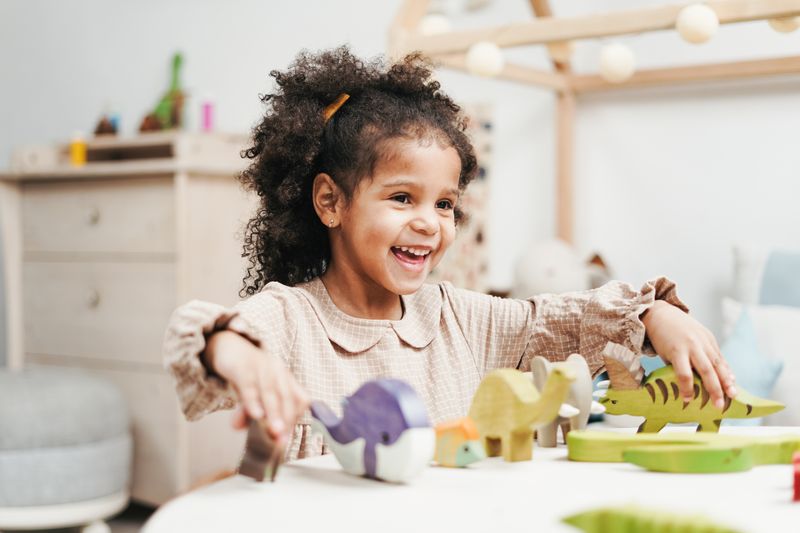
Gather favorite toys—blocks, cars, dolls, or stuffed animals. Lay them out and ask your child to count each one aloud. Try grouping toys by color or type and count each group together.
- “Let’s count how many red cars you have!”
- “How many teddy bears are on your bed?”
2. Snack-Time Counting
Turn snack time into a math moment. Offer cereal pieces, crackers, or fruit slices and count as you serve them.
- “Here are five apple slices. Can you count them?”
- “Let’s eat three crackers. Count them with me!”
3. Nature Walk Counting
Head outdoors and count what you see—flowers, rocks, birds, or leaves. This activity connects counting to real-world experiences and encourages observation.
- “How many daisies are in the garden?”
- “Let’s count the steps as we walk!”
4. Counting Songs & Rhymes
Music and rhythm make learning numbers memorable. Try classic counting songs like:
- “Five Little Ducks”
- “Ten in the Bed”
- “One, Two, Buckle My Shoe”
Sing together, using fingers or props to act out the numbers.
5. Counting Games
Play simple games that invite counting:
- Hide & Seek: Count to ten before finding friends.
- Hopscotch: Number the squares and count hops.
- Board Games: Move pieces and count spaces aloud.
6. Counting Books
Picture books with counting themes are perfect for preschoolers. Some favorites include:
- Chicka Chicka 1, 2, 3 by Bill Martin Jr. & Michael Sampson
- Ten Black Dots by Donald Crews
- Counting Kisses by Karen Katz
Read together and count objects on each page.
7. Counting Crafts
Arts and crafts offer endless counting opportunities. Try:
- Making bead necklaces—count beads as you string them
- Creating collages—count stickers, shapes, or pom-poms
- Painting dots or stamping patterns—count each mark
8. Interactive Counting Apps
Technology can supplement learning. Look for apps designed for preschoolers that teach counting through games and puzzles. Use screen time sparingly and balance with hands-on activities.
Everyday Counting Opportunities
Counting doesn’t need special materials or elaborate setups—it happens everywhere! Here are ways to weave counting into daily routines:
- Setting the Table: Count plates, cups, and utensils as you prepare meals.
- Sorting Laundry: Count socks, shirts, or towels as you fold.
- Grocery Shopping: Count items as you place them in the cart.
- Bath Time: Count toys or bubbles in the tub.
- Car Rides: Count traffic lights, signs, or cars you pass.
Encouraging One-to-One Correspondence
This skill means matching one object to one number as you count. Practice by:
- Pointing to each item as you count aloud
- Using fingers to touch or move objects
- Grouping objects in sets (e.g., three blocks together)
For example: “Let’s count your blocks. One block, two blocks, three blocks.”
Making Counting Meaningful
Preschoolers learn best when counting has a purpose—like sharing, solving problems, or making decisions. Try these ideas:
- “How many friends are coming to play? Let’s count and make sure we have enough snacks.”
- “We need four forks for dinner. Can you help count them?”
Dealing with Counting Challenges
It’s normal for preschoolers to skip numbers, double count, or lose track. Here’s how to support them:
- Model correct counting and encourage repetition
- Use gentle guidance (“Let’s try again together!”)
- Break counting into smaller parts if needed
- Celebrate progress, not perfection
Remember: Learning to count is a process! Mistakes are learning opportunities.
Games to Reinforce Counting
Count and Sort
Gather mixed objects (buttons, blocks, coins). Ask your child to sort them by color or size, then count each group.
Number Hunt
Hide written numbers around the house. Challenge your child to find them and match each to the correct number of objects.
Bingo
Create simple bingo cards with numbers and play together, marking off numbers as they’re called.
Counting Race
Set a timer and see how many items your child can count in one minute—make it friendly and fun, not competitive.
Using Visual Aids & Props
Visual cues help preschoolers grasp numbers. Try:
- Number cards or flashcards
- Counting mats with spaces for objects
- Finger counting (hold up fingers as you count aloud)
- Number posters or charts in your child’s play area
Positive Reinforcement
Encourage your child’s counting efforts with praise, high-fives, and gentle reminders. Celebrate milestones—like counting to ten or twenty—by making a big deal out of new achievements. Remember, confidence grows with support!
Adapting Activities for Different Skill Levels
Some preschoolers may count confidently to twenty, while others are just starting. Adjust activities based on your child’s abilities:
- Start with smaller numbers and gradually increase the range
- Offer extra practice for tricky numbers (like 13–16)
- Mix in simple addition (“If we add one more, how many do we have?”)
Counting Milestones for Ages 3–5
- Age 3: Recites numbers to 5 or 10, counts small groups of objects
- Age 4: Counts to 10 or 20, understands one-to-one correspondence, recognizes written numbers
- Age 5: Counts higher numbers, solves simple math problems, recognizes patterns
Frequently Asked Questions
- What age should my child start learning to count?
Most children begin learning to count between ages 2 and 3. By preschool (ages 3–5), they can grasp basic counting concepts with guidance and playful activities. - What are simple counting activities I can do at home?
You can use toys, snacks, or household items for counting practice. Try counting blocks, steps, or pieces of fruit together, making it part of daily routines. - How can I tell if my child understands counting?
If your child can recite numbers in order and match objects to numbers (e.g., counting three apples and saying 'three'), they’re developing counting skills. Watch for consistency and comprehension, not just memorization. - Should I correct my child if they make counting mistakes?
Yes, gently guide your child by modeling correct counting and encouraging them to try again. Avoid criticism; instead, use mistakes as learning opportunities. - Are digital apps helpful for teaching counting?
Digital apps can supplement learning, but hands-on, interactive activities have proven benefits for preschoolers. Use apps occasionally and prioritize real-world play.
Final Thoughts
Teaching counting to preschoolers is about sparking joy, curiosity, and confidence. The more playful and meaningful the activity, the more your child will embrace numbers. Mix games, songs, crafts, and everyday experiences to foster early math skills—and don’t forget to celebrate every milestone along the way!
With patience, encouragement, and creativity, your child will build a strong foundation for math success—and have a blast while doing it!
Key Takeaways
- Counting is best taught through hands-on play, songs, and daily routines.
- Visual aids, games, and crafts make counting engaging and memorable.
- Adapt activities to suit your child’s skill level and interests.
- Celebrate progress and use mistakes as learning opportunities.
Ready to start counting? Grab some toys, sing a song, or head outdoors—and watch your preschooler’s math confidence bloom!