How to Support Brain Development in Early Childhood: Practical Tips for Parents
As parents of preschoolers, we all hope to give our children the best possible start in life. One of the most powerful ways to do this is by nurturing their brain development during early childhood. This crucial period, spanning from birth to age five, lays the foundation for lifelong learning, behavior, and health. But what can parents do to actively support their child’s growing brain? Let’s dive into the science and practical strategies, all wrapped in a friendly, everyday approach you can start today.
Why Early Childhood Brain Development Matters
Did you know that a preschooler’s brain forms more than a million new neural connections every second? This rapid growth means that experiences, interactions, and environment play a significant role in shaping their abilities. Early childhood is a time when the brain is most receptive to learning—whether it’s language, motor skills, emotional regulation, or creativity. Supporting brain development now sets the stage for future success.
1. Play-Based Learning: The Power of Play
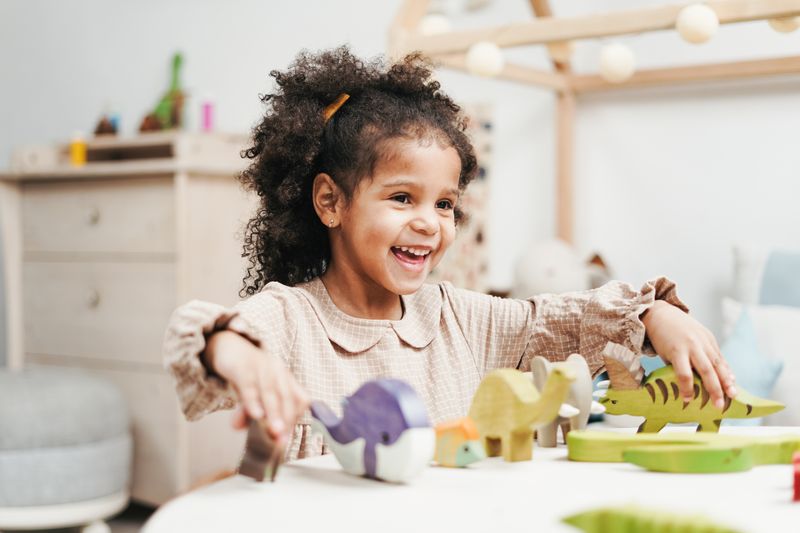
Play isn’t just fun—it’s fundamental. Through play, children explore ideas, practice problem-solving, and develop social skills. Here are some ways to make play a brain-boosting experience:
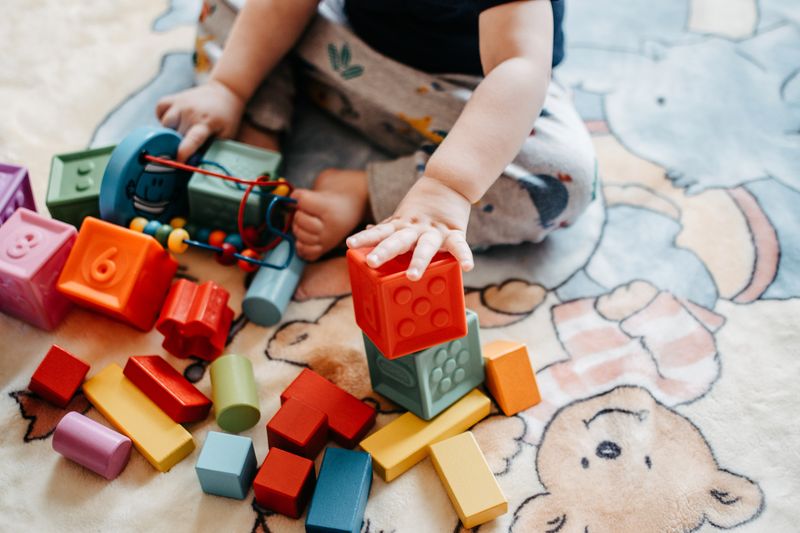
- Open-ended toys: Blocks, art supplies, and pretend play props encourage imagination and critical thinking.
- Outdoor play: Running, climbing, and exploring nature strengthen motor skills and curiosity.
- Interactive games: Puzzles, matching games, and building activities promote concentration and spatial awareness.
Try setting aside dedicated playtime each day. Join in the fun—you’ll be amazed at what your child learns when you let them lead!
2. Language and Communication: Talk, Read, Sing
Language is one of the most important skills for preschoolers, and it’s closely tied to brain development. Engaging your child in conversation, reading aloud, and singing together builds vocabulary, comprehension, and memory.
- Daily reading: Choose age-appropriate books and let your child turn the pages or describe the pictures.
- Storytelling: Share family stories or make up silly tales together. This sparks creativity and narrative skills.
- Sing songs and rhymes: Music and rhythm help with language patterns and emotional expression.
Don’t worry about perfect grammar or pronunciation—what matters is the joyful, consistent interaction.
3. Nutrition: Fuel for Growing Minds
What your preschooler eats matters for their brain. Certain nutrients are especially important:
- Omega-3 fatty acids: Found in fish, flaxseed, and walnuts, these support cognitive function.
- Iron and zinc: Essential for memory and attention. Include lean meats, beans, and leafy greens.
- Vitamins A, D, E, and B: Eggs, dairy, fruits, and vegetables provide these brain-boosting nutrients.
Offer a variety of foods, involve your child in meal prep, and make healthy eating a family affair. If picky eating is a challenge, try new foods together or create fun food art!
4. Sleep: The Secret Ingredient
Quality sleep is essential for brain development, memory, and emotional regulation. Preschoolers need about 10-13 hours of sleep per day, including naps.
- Consistent bedtime routines: Calm activities like reading or cuddling signal it’s time to wind down.
- Comfortable sleep environment: Dim lights, cozy bedding, and minimal noise help your child rest well.
- Limit screens before bed: Blue light can disrupt melatonin and sleep quality.
If your child struggles with sleep, try tracking routines and adjusting bedtime gradually. Good sleep habits support focus, learning, and mood.
5. Emotional Support: Loving Connections Matter
Emotional security forms the backbone of brain development. Responsive parenting—where you notice, acknowledge, and comfort your child—builds trust and resilience.
- Hug often: Physical affection releases oxytocin, a hormone that strengthens neural pathways.
- Validate emotions: Listen patiently, name feelings, and offer comfort when your child is upset.
- Set boundaries: Clear, loving limits help children feel safe and learn self-control.
When children feel loved and understood, they’re more likely to explore, take risks, and learn new things.
6. Routine and Structure: Predictability Supports Learning
Preschoolers thrive on routine. Predictable schedules help them anticipate what’s next, reducing anxiety and freeing up brainpower for learning.
- Morning rituals: Simple routines like brushing teeth and getting dressed set a positive tone.
- Meal and play schedules: Consistent times for meals and play anchor your day.
- Clean-up time: Involve your child in tidying up to teach responsibility and sequence.
While flexibility is important, having a general structure helps preschoolers feel secure and ready to learn.
7. Exposure to Music, Art, and Movement
Creative activities stimulate different areas of the brain, enhancing problem-solving, memory, and emotional expression.
- Art projects: Drawing, painting, or molding clay encourages fine motor skills and creativity.
- Music and dance: Singing, playing instruments, or moving to rhythms boosts language and coordination.
- Nature walks: Observing leaves, animals, or clouds nurtures curiosity and observation skills.
Don’t worry about perfection—let your child experiment and discover their own interests.
8. Age-Appropriate Challenges: Encourage Problem-Solving
Offering gentle challenges helps your child build confidence and persistence. Try:
- Puzzles: Start with simple shapes and gradually increase complexity.
- Matching games: Pair colors, objects, or pictures for memory practice.
- Role-play: Pretend scenarios (shopkeeper, chef, doctor) stimulate imagination and social skills.
Celebrate effort over results—praise your preschooler for trying, not just winning!
9. Social Interaction: Learning from Others
Peer interaction is a wonderful way to support brain and social development. Arrange playdates, attend preschool programs, or join parent-child groups.
- Sharing and turn-taking: These skills foster empathy and cooperation.
- Conflict resolution: Guide your child through disagreements to teach problem-solving.
- Group activities: Singing, dancing, or storytelling in a group builds confidence and communication skills.
If your child is shy, start with small groups or familiar friends and gradually expand their social circle.
10. Limit Stress and Screen Time
Chronic stress and excessive screen use can hinder brain development. Keep things simple:
- Relaxation techniques: Deep breathing, gentle massage, or quiet time help children unwind.
- Screen-free zones: Designate areas and times for unplugged play.
- Mindful media use: Choose high-quality, educational content and co-view with your child.
Balance is key—screens aren’t inherently bad, but real-world interactions matter most in early childhood.
Bonus: Parent Self-Care Matters Too!
Supporting your child’s brain means supporting your own well-being. Take breaks, connect with other parents, and seek help if you feel overwhelmed. Your calm presence is the greatest gift you can give your preschooler.
Key Takeaways
- Play-based learning is essential for early brain development.
- Balanced nutrition fuels cognitive growth and physical health.
- Quality sleep supports memory, attention, and brain function.
- Emotional connections and responsive parenting build strong neural pathways.
- Routine and structure help preschoolers feel secure and ready to learn.
- Exposure to language, music, and art stimulates different areas of the brain.
Frequently Asked Questions
- What activities best support early childhood brain development?
- Engaging in play-based learning, reading together, exploring music, and providing age-appropriate challenges are excellent ways to stimulate brain development in preschoolers.
- How important is nutrition for brain growth?
- Nutrition is vital. Foods rich in omega-3 fatty acids, vitamins, and minerals directly impact cognitive function, memory, and attention in young children.
- Does sleep affect my child's brain development?
- Yes! Consistent, quality sleep is crucial for memory consolidation, emotional regulation, and overall brain health during early childhood.
- How can I foster emotional support for my preschooler?
- Respond to your child's needs with empathy, offer comfort, set loving boundaries, and encourage communication. Strong emotional bonds help build resilience and cognitive skills.
Final Thoughts
Supporting brain development in early childhood doesn’t require fancy toys or expensive programs. It’s about everyday moments: play, conversation, nutritious meals, loving hugs, and gentle guidance. By investing in these simple strategies, you’re helping your preschooler build a strong foundation for lifelong learning and happiness. Enjoy the journey—your child’s brain is growing every day, and you’re their most important teacher!