
Stranger Anxiety in Babies: What to Expect
As your baby grows, you may notice new behaviors—some adorable, others perplexing. One such milestone is stranger anxiety, a phase where your infant becomes wary or fearful of unfamiliar faces. While it can be surprising for parents, especially if your baby was previously sociable, stranger anxiety is a normal and healthy part of infant emotional development. Understanding this stage can help you support your little one through it with confidence and empathy.
What Is Stranger Anxiety?
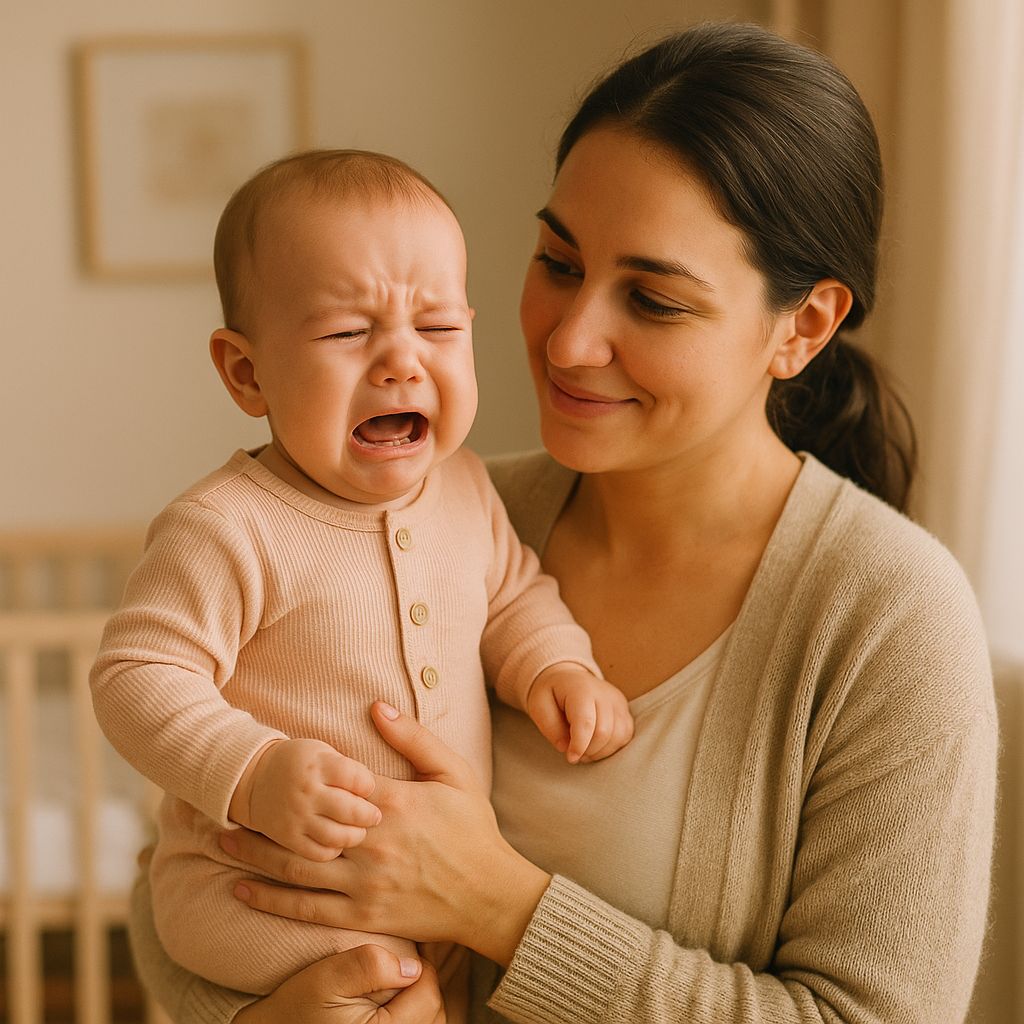
Stranger anxiety is a developmental phenomenon where babies display distress or apprehension around unfamiliar people. This behavior signals that your infant has begun to differentiate between familiar and unfamiliar faces, a vital step in their social and cognitive growth. Stranger anxiety typically manifests as crying, clinging, or turning away from strangers, and is often most pronounced in settings outside the home or when the primary caregiver is absent.
When Does Stranger Anxiety Develop?
The onset of stranger anxiety usually occurs between 6 and 8 months of age. This timing corresponds with key milestones in memory and attachment:
- Object permanence: Babies realize that people and objects exist even when out of sight.
- Attachment: Infants develop strong bonds with their primary caregivers, making unfamiliar people seem less comforting.
Some babies may show signs earlier or later, and the intensity can vary widely. It's important to remember that every child is unique and their timeline may differ.
Why Does Stranger Anxiety Happen?
Stranger anxiety is rooted in attachment theory, which describes how infants build emotional bonds with their caregivers. These bonds provide a sense of safety and security. As your baby’s cognitive abilities grow, they become more discerning about who is familiar and who is new, triggering wariness around strangers.
Other contributing factors include:
- Developing memory: Babies begin to remember familiar faces and recognize when someone is new.
- Social awareness: Infants start to observe social cues and respond emotionally to changes in their environment.
- Temperament: Some babies are naturally more cautious or sensitive, making stranger anxiety more pronounced.
Signs of Stranger Anxiety in Babies
Recognizing the signs of stranger anxiety can help you respond appropriately. Common signs include:
- Crying or fussing when approached by unfamiliar people
- Clinging tightly to the parent or caregiver
- Turning away, hiding their face, or avoiding eye contact
- Refusing to be held or comforted by strangers
- Appearing shy or withdrawn in new situations
These behaviors are most evident when the parent is not present or when entering unfamiliar environments like daycare, family gatherings, or social events.
How Long Does Stranger Anxiety Last?
Stranger anxiety typically peaks between 9 and 12 months, but the duration varies. Most babies outgrow this phase by age two as they gain confidence and social skills. However, some children may remain cautious into toddlerhood, especially if their temperament is slow-to-warm-up.
How to Support Your Baby Through Stranger Anxiety
While stranger anxiety can be challenging, it’s important to approach it with patience and understanding. Here are expert-backed strategies to help your baby navigate this stage:
1. Validate Your Baby’s Emotions
Babies need to know their feelings are safe and accepted. Offer comfort and reassurance without forcing interactions. A gentle hug or soothing words can help your infant feel secure.
2. Gradual Introductions
When introducing your baby to new people, take it slow. Allow your infant to observe from the safety of your arms before encouraging closer interactions. Familiar faces should approach slowly and let the baby initiate contact.
3. Maintain Consistency and Routine
Babies thrive on routine. Keeping daily schedules predictable—meals, naps, playtime—can help your child feel grounded. When changes are necessary, offer extra support and comfort.
4. Stay Close
Your presence is a source of security. If your baby is anxious around strangers, stay nearby. This allows your child to explore at their own pace, knowing you’re within reach.
5. Model Calm Behavior
Babies take cues from their parents. Greet new people warmly and calmly, showing your child that unfamiliar faces can be safe and friendly.
6. Encourage Familiarity
If your baby will be spending time with a new caregiver (e.g., daycare, babysitter), arrange short, supervised visits before the transition. Gradually increase the time spent together to build trust.
7. Avoid Forcing Interactions
Let your baby set the pace. Forcing them to be held by strangers or participate in unfamiliar activities can increase anxiety. Instead, encourage gentle, non-intrusive interactions.
8. Prepare for Social Events
If you're attending gatherings, arrive early so your baby can acclimate before the crowd arrives. Bring familiar toys or comfort items to ease the transition.
9. Communicate with Caregivers and Family
Explain stranger anxiety to relatives and caregivers. Let them know your baby may need time to warm up, and share strategies that help your child feel comfortable.
10. Be Patient
Stranger anxiety is a temporary phase. With your support, your baby will gradually learn to navigate new social situations.
Stranger Anxiety vs. Separation Anxiety
It’s easy to confuse stranger anxiety with separation anxiety. While both are related to attachment, they differ in key ways:
- Stranger anxiety: Fear or distress around unfamiliar people.
- Separation anxiety: Distress when the caregiver leaves, even if the baby is with familiar people.
Both are normal and often overlap between 8 and 18 months.
When to Seek Help
Most babies experience stranger anxiety as a temporary, manageable phase. However, consult your pediatrician if:
- Stranger anxiety is severe and persists beyond age two
- Your child is unable to participate in daily activities
- There are other signs of developmental delay
Healthcare professionals can provide reassurance and guidance tailored to your child’s needs.
The Role of Culture and Environment
Stranger anxiety can look different across families and cultures. In some communities, infants are regularly exposed to extended family and social networks, which may reduce the intensity or duration of stranger anxiety. In others, where infants have fewer social interactions outside the immediate family, stranger anxiety may be more pronounced. Respect your child’s temperament and your family’s values as you address this phase.
Frequently Asked Questions
- When does stranger anxiety typically start in babies?
- Stranger anxiety usually begins between 6 and 8 months of age, coinciding with increased attachment to primary caregivers and improved memory.
- Is stranger anxiety normal?
- Yes, stranger anxiety is a normal and healthy developmental stage. It reflects growing social awareness and attachment security in infants.
- How can parents help their baby cope with stranger anxiety?
- Parents can help by offering reassurance, gradual introductions to new people, maintaining routines, and modeling calm behavior.
- Should parents be concerned if their baby has stranger anxiety?
- Stranger anxiety is not typically a cause for concern unless it persists well beyond toddlerhood or interferes significantly with daily life. Consult a pediatrician if you have concerns.
- How long does stranger anxiety last?
- Stranger anxiety generally peaks around 9–12 months and gradually diminishes as children develop social and cognitive skills, usually resolving by age two.
Conclusion
Stranger anxiety is a sign that your baby is developing important social and emotional skills. While it may be challenging for both parents and infants, this phase is a testament to your child’s growing awareness and attachment bonds. By understanding what to expect and responding with empathy, you can help your baby feel safe and confident as they explore their expanding world.
Remember, each child’s journey is unique. If you have concerns about your baby’s behavior, don’t hesitate to seek guidance from your pediatrician or a child development specialist. With patience and support, stranger anxiety will become just another milestone in your baby's incredible growth.