
Standing and Walking Readiness Signs in Infants: Expert Guide for Parents
Watching your baby transition from crawling to standing and ultimately walking is one of the most exciting milestones in infant development. As a parent, recognizing the signs of readiness for these pivotal moments can help you provide the right support and encouragement. This comprehensive guide covers the physical, cognitive, and emotional indicators that your baby is prepared to take their first steps, along with expert strategies to foster safe and healthy motor development.
Understanding Motor Development in Infancy
Infant motor development occurs in a predictable sequence, though each child progresses at their own pace. The journey towards standing and walking begins with strengthening the core, developing balance, and refining coordination. By understanding the stages and readiness signs, parents can nurture their child’s growth effectively.
Key Motor Milestones from Birth to Walking
- 0-3 Months: Head control and tummy time.
- 4-6 Months: Rolling over, pushing up on arms.
- 6-9 Months: Sitting independently, crawling, pulling to stand.
- 9-12 Months: Cruising (walking while holding furniture), standing with support.
- 12-15 Months: Taking first independent steps.
Physical Readiness Signs for Standing and Walking
Babies reveal their readiness for standing and walking through a series of physical behaviors. These can be subtle at first, but gradually increase in frequency and confidence. Here are the major physical signs to watch for:
- Pulling to Stand: Using furniture or a parent’s hand, the baby pulls themselves up from a sitting or crawling position.
- Bearing Weight on Legs: When held upright, the baby can support their weight on their legs.
- Cruising: Moving laterally along furniture while holding on.
- Standing Without Support: Briefly standing independently, often for a few seconds before sitting down.
- Improved Balance: Greater ability to stabilize themselves when upright or shifting positions.
- Coordination: Controlled movement when transitioning from sitting to standing and vice versa.
Cognitive and Emotional Readiness Signs
While physical abilities are essential, cognitive and emotional factors also play a role in walking readiness. Babies need to be motivated and confident to explore standing and walking:
- Curiosity: Reaching for objects out of their immediate grasp, encouraging standing.
- Problem-Solving: Figuring out how to pull up, cruise, or move around obstacles.
- Confidence: Showing excitement when standing or cruising, enjoying clapping or praise.
- Desire for Independence: Attempting to move away from caregivers or explore new spaces.
Signs Your Baby Is Ready to Walk
Once your baby demonstrates these readiness signs, they may be close to taking their first steps. Look for:
- Standing for Longer Periods: Able to stand alone for several seconds.
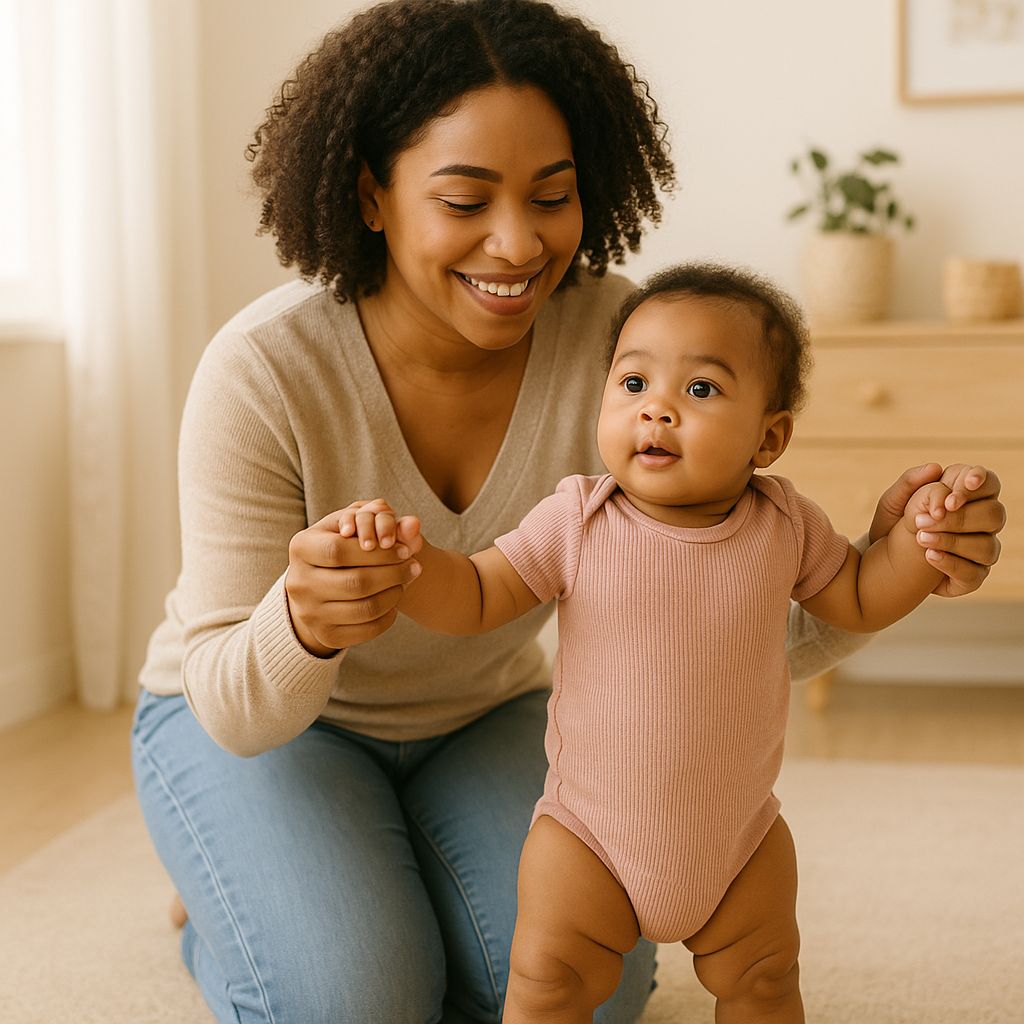
- Walking with Support: Holding onto your hands or furniture and taking steps.
- Attempting Independent Steps: Letting go and trying to walk without support.
- Frequent Falls: Falling and getting up again shows persistence and growing balance.
- Improved Foot Placement: Feet are flat and placed purposefully rather than tip-toeing.
How Parents Can Support Standing and Walking
Parental support is crucial during this stage. Here’s how you can foster your baby’s readiness for standing and walking:
- Encourage Tummy Time: Builds core strength necessary for standing.
- Create a Safe Environment: Remove obstacles and sharp objects where your baby will practice standing and walking.
- Offer Sturdy Support: Use furniture that doesn’t move easily for your baby to pull up and cruise along.
- Let Your Baby Lead: Allow your child to attempt standing and walking at their own pace. Avoid forcing or rushing.
- Use Positive Reinforcement: Celebrate successes, no matter how small, to boost confidence.
- Limit Use of Walkers: Walkers can delay motor development and pose safety risks. Instead, encourage natural movement.
- Supervise Closely: Be nearby to prevent falls and injuries, but allow your baby space to explore.
Common Challenges and How to Address Them
Some babies may face challenges on their journey to standing and walking. Here are common issues and solutions:
- Reluctance to Stand: Try enticing your baby with toys just out of reach or encourage standing during playtime.
- Frequent Falls: Falls are normal. Keep floors soft with rugs and supervise closely.
- Delayed Walking: If your baby isn’t walking by 18 months, consult your pediatrician for an assessment.
- Toe-Walking: Occasional toe-walking is normal, but persistent toe-walking should be discussed with your doctor.
When to Seek Professional Advice
If your baby shows no signs of standing or walking by 18 months, struggles to bear weight on their legs, or has significant asymmetry in movement, speak to your pediatrician. Early intervention can help address motor delays effectively.
Frequently Asked Questions
- At what age do most infants start standing and walking?
- Most infants begin standing with support between 8-10 months and take their first independent steps around 12-15 months. However, every child develops at their own pace, and some may reach these milestones earlier or later.
- What are the early signs my baby is ready to stand?
- Early signs include pulling themselves up to stand using furniture, bearing weight on their legs when held upright, and increased muscle strength in the legs and core.
- How can I safely encourage my baby’s standing and walking?
- Provide a safe, uncluttered space for exploration, use sturdy furniture for support, avoid walkers, and offer encouragement without forcing or rushing your baby.
- Should I be concerned if my baby is not walking by 18 months?
- While most babies walk by 15 months, some may walk later. If your baby shows no signs of standing or walking by 18 months, consult your pediatrician for guidance.
- Do baby walkers help with walking readiness?
- Baby walkers are not recommended, as they can delay motor development and pose safety risks. It's best to allow natural, supervised movement on the floor.
Conclusion: Every Baby Is Unique
Recognizing the signs of readiness for standing and walking is a vital part of supporting your infant’s developmental journey. While milestones are helpful guidelines, remember that every child is unique. Celebrate your baby’s progress, provide a safe and supportive environment, and consult your pediatrician with any concerns. With patience and encouragement, you’ll soon witness those magical first steps!