
Social Media Confidence vs Reality: What Teens Should Know
Teenagers today are growing up in a world where social media is woven into almost every aspect of their lives. Platforms like Instagram, TikTok, Snapchat, and others offer endless opportunities to connect, share, and express themselves. But behind the likes, comments, and perfectly curated feeds, there’s a complex relationship between the confidence teens feel online and their real-world self-esteem. In this article, we’ll unpack the difference between social media confidence and reality, explore the impact on mental health, and provide actionable tips to help teens build genuine confidence that lasts beyond the screen.
Understanding Social Media Confidence
Social media confidence refers to the boost in self-esteem or self-assurance that teens may experience when they receive positive feedback, such as likes, shares, or encouraging comments. It feels good to be recognized and validated, especially during adolescence, a time when self-image is still developing. However, this confidence is often tied to external validation rather than internal self-worth.
On social media, it’s easy to present the best version of yourself. Filters, carefully chosen photos, and witty captions can create a persona that may not always reflect reality. The dopamine rush from online approval is real, but it can be fleeting. Relying on this kind of confidence can make teens vulnerable to mood swings when likes drop or negative comments appear.
Reality Check: The Curated World Vs. Real Life
The reality is that much of what we see online is carefully curated. Influencers, celebrities, and even everyday users meticulously select what they post, often editing images or sharing only the highlights. This can create unrealistic standards for beauty, success, and happiness.
- Highlight Reel: Social media shows the best moments, rarely the struggles.
- Filters: Both literal and figurative filters are applied to photos and stories.
- Comparison Trap: Teens may compare themselves to others, forgetting that most posts are not the full story.
When teens measure their worth against these online standards, it can lead to dissatisfaction, anxiety, and even depression.
The Impact of Social Media on Teen Mental Health
Research has shown that excessive social media use can affect mental health, especially for teens. The constant exposure to idealized images and lifestyles can fuel insecurities, body image issues, and social anxiety.
Some common effects include:
- Low Self-Esteem: Feeling inadequate compared to others.
- Anxiety: Worrying about online approval or negative comments.
- Body Image Issues: Wanting to look like influencers or celebrities.
- FOMO (Fear of Missing Out): Thinking everyone else is having more fun or is more successful.
While social media can help teens connect and express themselves, it’s important to recognize its limitations and the potential for negative impacts.
Authenticity Over Appearance: Building Real Self-Esteem
Genuine self-esteem isn’t dependent on likes or followers. It comes from knowing your strengths, feeling proud of your achievements, and embracing your unique qualities. Here’s how teens can foster authentic confidence:
- Focus on Skills: Invest time in hobbies, sports, academics, or creative pursuits. Celebrate progress and achievement offline.
- Connect in Real Life: Strengthen friendships and family bonds outside of social media. Face-to-face interactions build lasting self-worth.
- Practice Gratitude: Reflect on things you’re thankful for, including personal growth, kindness, and resilience.
- Set Personal Goals: Define what success means for you, not what’s popular online.
- Limit Comparison: Remember that everyone’s journey is different. Avoid measuring yourself against online personas.
- Embrace Imperfection: No one is perfect. Accepting your flaws is part of building real confidence.
Practical Strategies for Teens
Here are some actionable steps to help teens navigate social media and build genuine confidence:
-
Be Mindful of Screen Time:
Set boundaries for social media use. Try app timers or digital detox periods. Spend more time on activities that enrich you offline.
-
Curate Your Feed:
Follow accounts that inspire, educate, or support you. Unfollow or mute those that trigger negative feelings or unrealistic comparisons.
-
Talk About Online Pressures:
Share your feelings with trusted friends, parents, or counselors. Open conversations can help normalize challenges and provide support.
-
Challenge Unrealistic Standards:
Remind yourself that most posts are edited or staged. Reality is messy, and that’s okay!
-
Celebrate Offline Achievements:
Keep a journal of personal wins—big or small. These milestones matter more than online validation.
-
Take Social Media Breaks:
Regular breaks can reset your perspective and boost mental health. Use the time to recharge and reconnect with yourself.
Role of Parents and Guardians
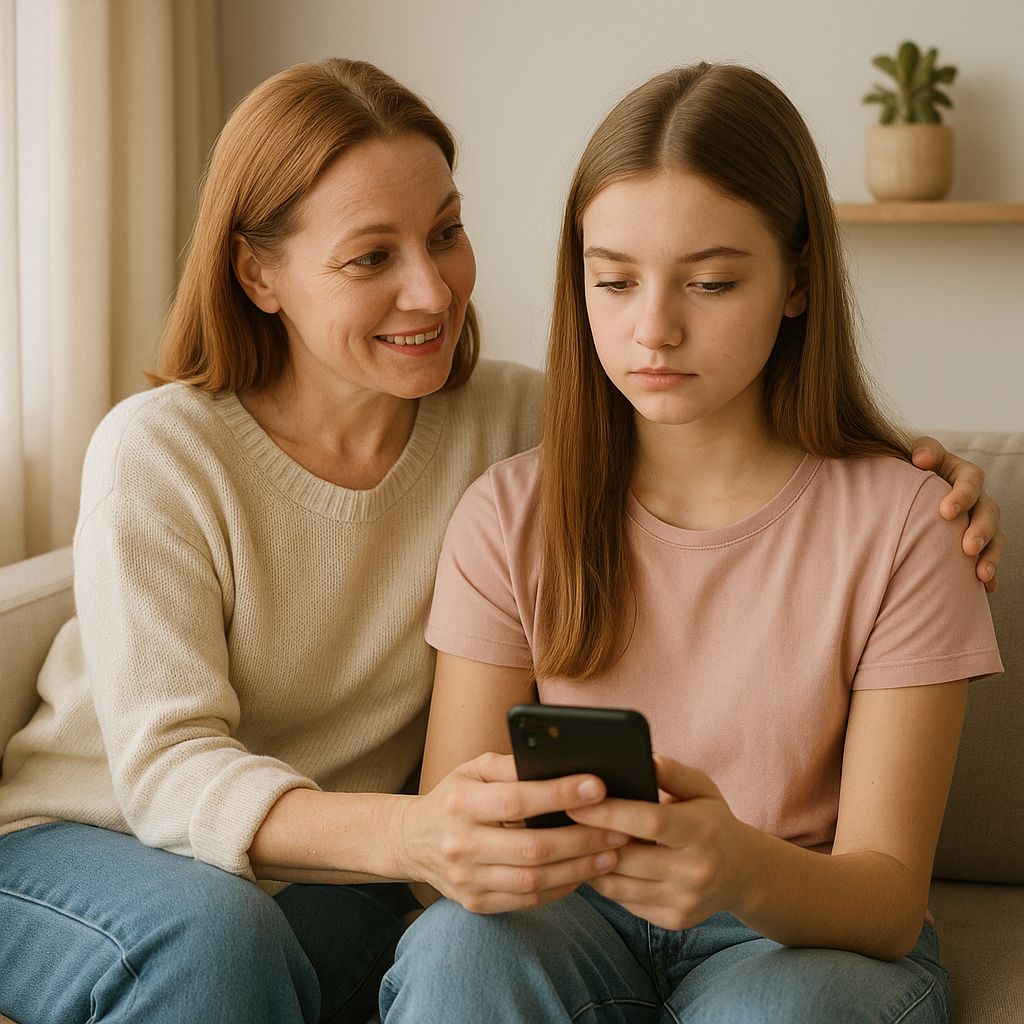
Parents play a crucial role in helping teens develop healthy social media habits. Here’s how adults can support their teens:
- Model Healthy Behavior: Show balanced social media use and encourage offline connections.
- Encourage Critical Thinking: Discuss how online content is created and why it might not be realistic.
- Foster Open Communication: Let teens share their feelings about online pressures without fear of judgment.
- Support Digital Breaks: Plan activities that don’t involve screens, such as family outings or creative projects.
- Educate About Online Safety: Talk about privacy, cyberbullying, and responsible sharing.
What Teens Should Know: Key Messages
- Social media confidence is often based on external validation—it’s not the same as real self-esteem.
- Most online posts are curated and do not reflect everyday reality.
- Comparing yourself to others online can be harmful to your mental health.
- Building authentic confidence happens offline, through achievements, relationships, and self-discovery.
- It’s okay to take breaks from social media and focus on personal wellbeing.
Real Stories: Teens Reflect on Social Media Confidence
Many teens have shared their struggles with balancing social media and self-esteem. Here are a few perspectives:
"I used to feel really confident when my posts got lots of likes. But when they didn't, I felt invisible. Now, I try to focus more on what makes me happy offline." — Emily, 16
"Seeing influencers with perfect lives made me question my worth. Talking to my friends and realizing they felt the same helped me see that most of it isn't real." — Jordan, 15
"Taking social media breaks helped me reconnect with my hobbies and gave me more confidence in who I am." — Maya, 17
Tips for Building Social Media Resilience
- Be Selective About What You Share: Post what feels authentic, not just what you think will get likes.
- Practice Digital Empathy: Support friends online and avoid negative comments or comparisons.
- Remember Your Value: Your worth is not tied to your follower count or online popularity.
- Seek Help If Needed: If social media is affecting your mental health, talk to a trusted adult or counselor.
Conclusion: Embracing Authentic Confidence
Social media can be a powerful tool for connection and self-expression, but it’s essential to understand its limitations. True confidence comes from within—from knowing your strengths, accepting your flaws, and connecting with others in meaningful ways. Teens who learn to distinguish between online confidence and real self-esteem are better equipped to navigate the pressures of the digital world and thrive, both online and offline.
So next time you scroll through your feed, remember: your value isn’t defined by likes or comments. Embrace your uniqueness and build confidence that stands strong, even when the screen goes dark.
Frequently Asked Questions
- How does social media affect teen confidence?
- Social media can both boost and undermine teen confidence. While likes and positive comments may make teens feel good temporarily, repeated exposure to unrealistic portrayals and comparison can lower genuine self-esteem.
- What can teens do to build real self-confidence?
- Teens can build real self-confidence by focusing on their strengths, setting offline goals, nurturing healthy friendships, and limiting comparison with others online.
- How can parents support their teens regarding social media?
- Parents can foster open communication about social media pressures, encourage digital breaks, model healthy online behavior, and help their teens develop critical thinking about online content.
- Should teens limit their social media use?
- Limiting social media use can help teens avoid negative impacts on self-esteem and mental health. Setting boundaries, taking regular breaks, and engaging in offline activities are beneficial strategies.
Further Reading: