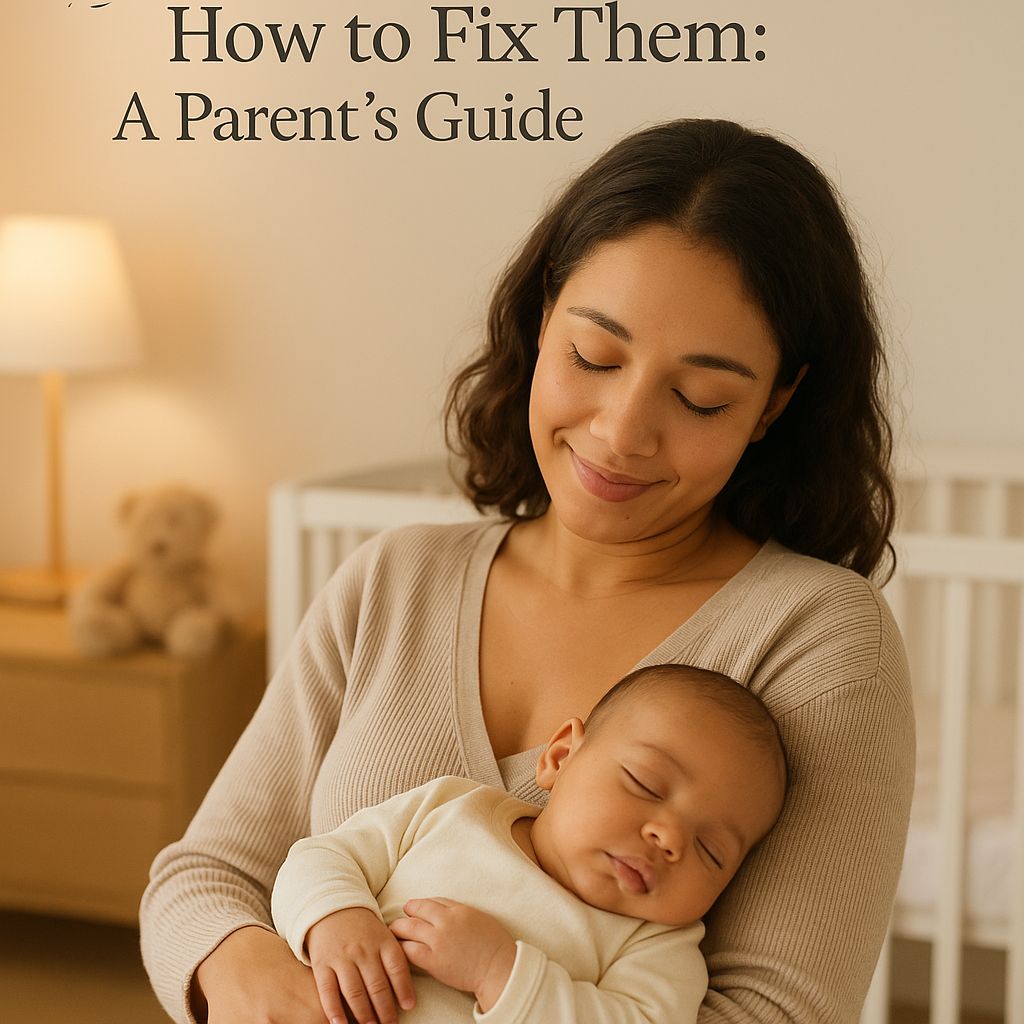

Sleep Problems in Babies and How to Fix Them: A Parent’s Guide
Few things baffle and exhaust new parents more than baby sleep problems. If your little one seems to nap only in five-minute increments or throws all-night parties when you’re desperate for rest, you’re not alone! Understanding baby sleep—and the hiccups that come with it—can help you smooth out those long nights and set the stage for better rest for everyone. Let’s dive in!
Why Do Babies Have Sleep Problems?
Babies are born with unique sleep needs and patterns. Unlike adults, infants have tiny tummies, rapidly developing brains, and a need for comfort and security. All these factors contribute to night wakings, short naps, and unpredictable sleep schedules.
- Developmental changes: Sleep patterns shift as your baby grows. Growth spurts, teething, and learning new skills can all disrupt sleep.
- Sleep cycles: Babies cycle through light and deep sleep more frequently than adults, making them more likely to wake up.
- Hunger: Young babies need to feed every few hours, day and night.
- Environment: Light, noise, or temperature can easily disturb a baby’s sleep.
Common Sleep Problems in Babies
Let’s break down some of the sleep challenges parents face and how you can start to fix them.
1. Frequent Night Wakings
The problem: Your baby wakes up several times a night, needing to be fed or soothed back to sleep.
Why it happens: Normal for newborns, but by 4-6 months, many can sleep longer stretches. Persistent waking could be due to hunger, discomfort, or learned sleep associations (like always being rocked or fed to sleep).
How to fix:
- Encourage self-soothing by putting your baby down drowsy but awake.
- Establish a calming bedtime routine (bath, story, song).
- Ensure your baby is getting enough calories during the day.
- Check for discomfort—like teething, illness, or a wet diaper.
- Gradually reduce nighttime feeds (with your pediatrician’s OK) as your baby gets older.
2. Short Naps
The problem: Your baby naps for only 20-30 minutes at a time and wakes up cranky.
Why it happens: Babies often wake at the end of one sleep cycle and may not know how to connect cycles without help.
How to fix:
- Watch for sleepy cues and put your baby down before they get overtired.
- Create a consistent nap routine and sleep environment.
- Try gently resettling your baby if they wake early from a nap.
3. Trouble Falling Asleep
The problem: Your baby fights sleep at bedtime or takes a long time to fall asleep.
Why it happens: Overstimulation, late bedtimes, or inconsistent routines can make it hard for babies to wind down.
How to fix:
- Stick to a predictable, calm bedtime routine.
- Avoid screen time and rough play before bed.
- Watch for signs of sleepiness and aim for an earlier bedtime if needed.
4. Early Morning Wakings
The problem: Your baby wakes for the day at 4 or 5 a.m.
Why it happens: Early light, hunger, or too-early bedtime can all trigger pre-dawn wakeups.
How to fix:
- Darken the room with blackout curtains.
- Make sure your baby’s last nap isn’t too late or too short.
- Try shifting bedtime slightly later (by 10-15 minutes) if your baby is going to bed very early.
5. Nighttime Restlessness or Fussiness
The problem: Your baby fusses, squirms, or seems uncomfortable at night.
Why it happens: Could be due to gas, reflux, teething, or discomfort from temperature or clothing.
How to fix:
- Check for physical discomfort—adjust clothing or bedding as needed.
- Try gentle tummy massage or bicycle legs to relieve gas.
- Discuss persistent fussiness with your pediatrician—especially if you suspect reflux or allergies.
Gentle Solutions for Better Baby Sleep
Every baby is different, and the key to better sleep is finding what works for your family. Here are some expert-backed strategies:
Establish a Consistent Routine
Babies thrive on predictability! A simple bedtime routine (bath, pajamas, song, cuddle) signals that it’s time to sleep. Repeat it every night, even if you’re traveling or your schedule changes.
Create an Ideal Sleep Environment
- Cool, dark, and quiet: Use blackout curtains and a white noise machine to block out distractions.
- Safe sleep space: Place your baby on their back in a crib with a firm mattress and no loose bedding or toys.
- Swaddle or sleep sack: For newborns, swaddling can provide comfort; older babies may prefer a cozy sleep sack.
Encourage Self-Soothing
Put your baby down drowsy but awake, so they learn to fall asleep on their own. If they need help, try gentle patting, shushing, or rocking in the crib.
Feed Well During the Day
Daytime calories can mean fewer night wakings for food. Offer full, frequent feeds and keep nighttime interactions quiet and boring.
Watch Wake Windows
Babies can only stay awake for a certain amount of time before becoming overtired. Here’s a rough guide:
- Newborns (0-2 months): 45-60 minutes
- 2-4 months: 60-90 minutes
- 4-6 months: 1.5-2.5 hours
- 6-12 months: 2-4 hours
Watch for yawning, eye-rubbing, or fussiness and offer sleep before they become overtired.
Be Patient with Sleep Regressions
At 4 months, 8-10 months, and 18 months, many babies go through sleep regressions—sudden disruptions in sleep due to brain development. Stick to your routines, offer extra comfort, and know it’s temporary!
When to Seek Help for Baby Sleep Problems
While most sleep issues are normal, talk to your pediatrician if:
- Your baby snores, gasps, or has trouble breathing during sleep.
- There’s persistent trouble gaining weight, excessive crying, or feeding difficulties.
- You’re struggling with your own health or well-being due to sleep deprivation.
Gentle Sleep Training Methods
If your baby is older than 4-6 months and you’re ready to encourage independent sleep, there are gentle methods you can try:
- Gradual withdrawal: Stay with your baby as they fall asleep, and slowly move farther away over time.
- Pick up/put down: Pick up your baby to calm them, then put them down awake. Repeat as needed.
- Ferber method (modified): Give your baby a few minutes to settle before offering comfort, gradually increasing the wait time.
Never let your baby cry excessively or ignore cues for hunger or discomfort. There’s no “one right way”—do what feels best for your family.
Self-Care for Sleep-Deprived Parents
Baby sleep problems are tough, but you don’t have to do it alone. Ask for help from your partner, family, or friends. Take naps when you can, and don’t be afraid to let non-urgent tasks slide. Your well-being matters too!
Frequently Asked Questions About Baby Sleep Problems
How much sleep does my baby really need?
Newborns typically need 14-17 hours of sleep in a 24-hour period, while older infants (4-12 months) need about 12-16 hours, including naps. Every baby is different, but persistent sleep deprivation should be addressed.
Is it normal for my baby to wake frequently at night?
Yes, night wakings are common, especially for newborns. Babies have shorter sleep cycles and may wake for feeding, comfort, or due to developmental changes. Over time, most babies begin to sleep for longer stretches.
Should I try sleep training? Is it safe?
Sleep training, when done gently and appropriately for your child’s age and temperament, can be safe and effective. Always consult your pediatrician before starting any sleep program, and avoid methods that cause excessive distress.
When should I be concerned about my baby's sleep?
If your baby is persistently fussy, not gaining weight, has trouble breathing during sleep, or you’re concerned about their health or development, consult your pediatrician. Trust your instincts!
How can I create a good sleep environment for my baby?
Keep the room dark, cool, and quiet. Use white noise if needed, ensure a safe sleep space (firm mattress, no loose bedding), and establish a calming pre-bedtime routine.
Final Thoughts
Sleep problems in babies are a normal (if exhausting) part of parenthood. With a little patience, some gentle strategies, and support, you can help your baby—and yourself—get the rest you need. Sweet dreams!