Signs Your Baby Is Too Cold or Too Warm: A Parent’s Guide to Temperature Safety
Babies are precious bundles of joy, but they’re also more sensitive to temperature changes than adults. Whether it’s the heat of summer or the chill of winter, knowing how to keep your baby comfortable and safe is a top priority for every parent. In this guide, we’ll walk you through the key signs your baby is too cold or too warm, how to prevent temperature-related issues, and expert tips for every season.
Why Are Babies So Sensitive to Temperature?
Newborns and infants haven’t developed the ability to regulate their body temperature as efficiently as adults. Their skin is thinner, and their bodies lose heat faster. Conversely, they can also overheat quickly since their sweat glands aren’t fully developed. This makes monitoring your baby’s comfort crucial, especially in changing environments.
How to Tell If Your Baby Is Too Cold
Cold weather can be tough on little ones. Here are the most common signs your baby might be too cold:
- Cool skin: Touch your baby’s chest or back—not their hands or feet, which are usually cooler. If their skin feels cold, it’s a sign they may need more warmth.
- Bluish lips or extremities: This indicates poor circulation caused by cold temperatures. If you notice blue or pale lips, toes, or fingers, take action immediately.
- Fussiness or crying: Babies often express discomfort through crying. If your baby seems unsettled in a cold environment, check their temperature.
- Lethargy: A baby who is unusually quiet, drowsy, or less responsive may be too cold.
- Shivering: Although rare in newborns, older infants may shiver when cold. Take this seriously.
What Causes Babies to Get Too Cold?
Babies can become too cold due to:
- Cool room temperatures
- Inadequate clothing
- Wet diapers or clothing
- Exposure to cold drafts or air conditioning
- Being left outside for too long
What To Do If Your Baby Is Cold
If you suspect your baby is cold, take these steps:
- Move your baby to a warmer environment.
- Dress them in layers, preferably using breathable fabrics.
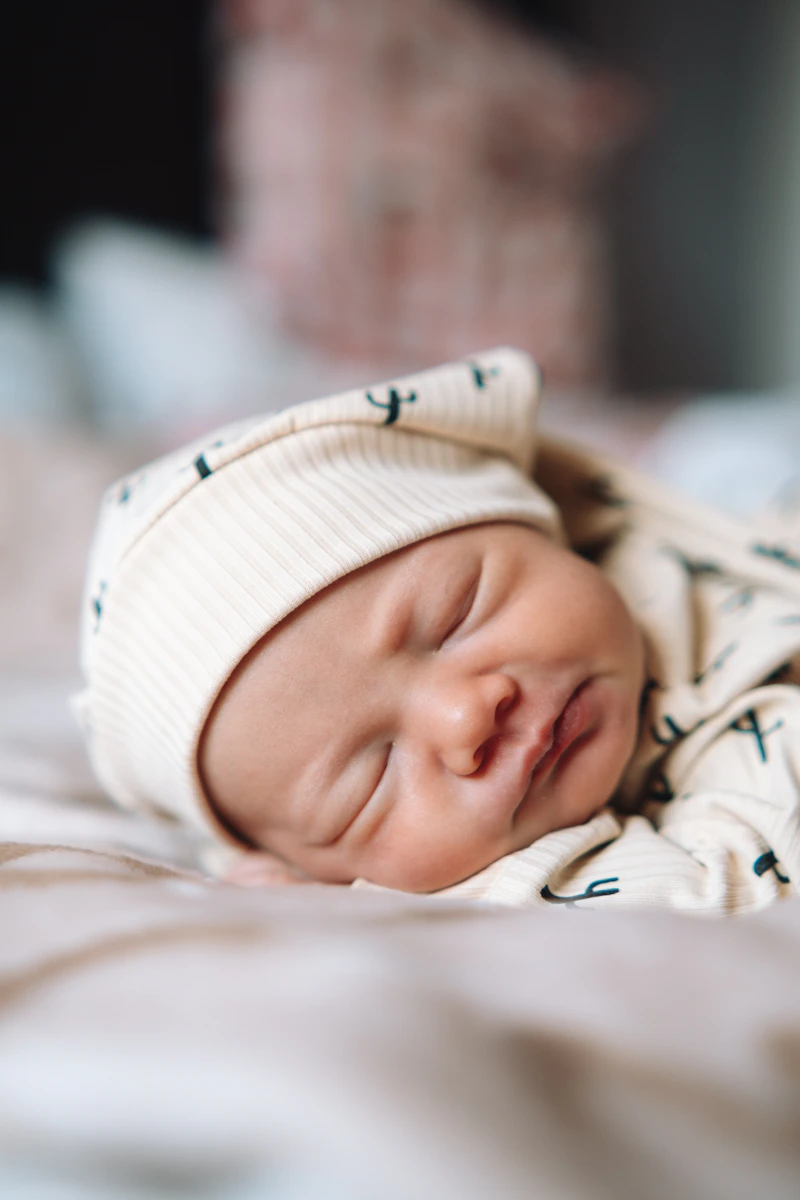
- Use hats and mittens, especially for newborns.
- Check and change wet diapers quickly.
- Hold your baby close for skin-to-skin contact, which can help regulate their body temperature.
How to Tell If Your Baby Is Too Warm
Just as being too cold is dangerous, overheating can be risky for babies. Here are the key signs your baby might be too warm:
- Warm or sweaty skin: Touch their chest or back. If the skin feels hot or damp, your baby may be overheating.
- Flushed cheeks: Red, warm cheeks often indicate excess heat.
- Rapid breathing: Babies breathe faster when overheated.
- Heat rash: Small red bumps on the skin, especially in folds, can be a sign of overheating.
- Unusual lethargy or irritability: Overheated babies may become unusually sleepy or fussy.
What Causes Babies to Get Too Warm?
Babies can overheat due to:
- High room temperatures
- Overdressing or too many layers
- Direct sunlight exposure
- Plastic bedding or waterproof mattress covers
- Swaddling too tightly
What To Do If Your Baby Is Warm
If you think your baby is too warm, try:
- Remove excess layers or blankets.
- Move your baby to a cooler room.
- Offer plenty of fluids if your baby is old enough.
- Use a fan on a low setting or open a window for ventilation (never direct airflow at your baby).
- Check for heat rash and consult your pediatrician if it appears.
The Ideal Room Temperature for Babies
Experts recommend keeping the nursery or sleeping area between 68-72°F (20-22°C). This temperature range helps prevent both overheating and chilling. Use a room thermometer to monitor temperature, and adjust heating or cooling as needed.
Safe Sleep Tips for Temperature Regulation
- Dress your baby in layers: Light, breathable layers can be added or removed as needed.
- Sleep sacks over blankets: Sleep sacks are safer and prevent loose bedding, which can cause suffocation or overheating.
- Never cover your baby’s head: Babies lose excess heat through their heads. Hats are for outdoor use only.
- Check your baby’s back or chest: Hands and feet are poor indicators—always feel the torso for temperature.
- Keep the crib clear: Avoid pillows, stuffed animals, or heavy blankets.
Seasonal Tips for Keeping Your Baby Comfortable
Winter
- Use breathable, warm layers and add a wearable blanket if needed.
- Keep nursery doors closed to retain warmth, but ensure proper ventilation.
- Limit outdoor time and avoid drafts.
Summer
- Dress your baby in light, cotton clothing.
- Keep curtains drawn to block direct sunlight.
- Offer extra fluids if your baby is drinking solids or formula.
- Use a fan or air conditioner, but never direct airflow at your baby.
How to Check Your Baby’s Temperature
The best way to check your baby’s comfort is to touch their chest or back. If the skin is cool, add a layer. If it’s hot or sweaty, remove a layer. For more accuracy, use a digital thermometer:
- Rectal thermometers are most accurate for infants.
- Normal baby temperature is 97-100.3°F (36-37.9°C).
When to Seek Medical Help
If your baby shows severe signs of being too cold (blue lips, lethargy, low body temperature below 96.8°F/36°C) or overheated (persistent sweating, rapid breathing, temperature above 100.4°F/38°C), call your pediatrician immediately. These may indicate hypothermia or heatstroke, both of which require urgent care.
Common Questions About Baby Temperature
- What is the ideal room temperature for a baby?
- The ideal range is 68-72°F (20-22°C).
- How can I tell if my baby is too cold?
- Check for cool skin, blue lips, and unusual fussiness.
- What are signs of overheating in babies?
- Look for sweating, flushed cheeks, and rapid breathing.
- Should I use blankets for my baby at night?
- Wearable blankets or sleep sacks are safer than loose blankets.
- How often should I check my baby’s temperature?
- Check regularly, especially during seasonal changes or if your baby seems uncomfortable.
Expert Tips for Every Parent
- Dress your baby according to the environment, not just the calendar.
- Monitor room temperature with a thermometer.
- Practice skin-to-skin contact for warmth.
- Always check your baby’s chest or back for accurate temperature readings.
- Consult your pediatrician if you’re unsure about your baby’s comfort.
Conclusion: Your Baby’s Comfort Comes First
Keeping your baby at the right temperature is all about balance. Watch for signs, trust your instincts, and use these tips to ensure your little one stays happy and healthy in every season. Whether it’s a chilly winter night or a sunny summer day, you’ve got this!
Want more seasonal parenting tips? Subscribe to Growing Giggles for expert advice and giggles delivered to your inbox!