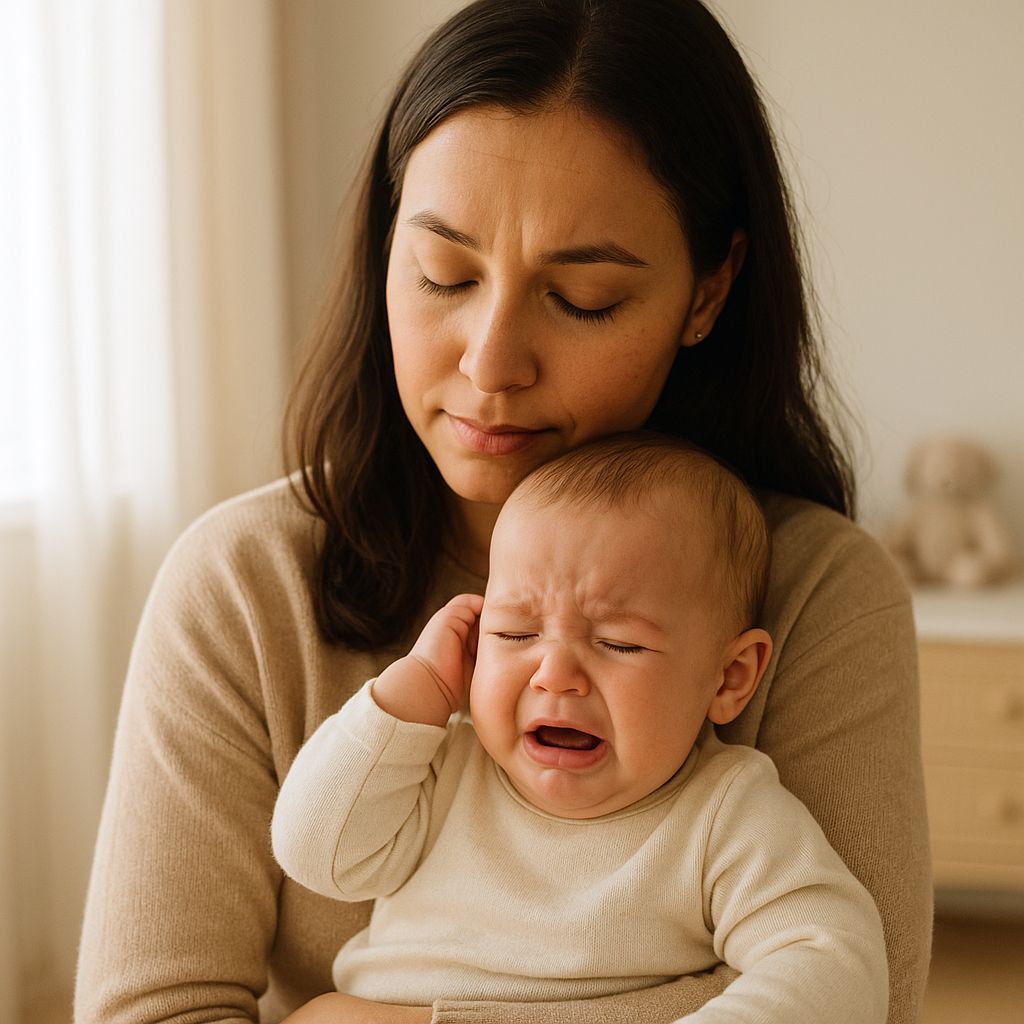

Signs of Speech Delay in Preschool Children: What Every Parent Should Know
As a parent, nothing brings more joy than hearing your child express themselves – whether it’s their first words, silly stories, or even those adorable mispronunciations. But for some preschoolers, speech and language development doesn’t follow the usual path. If you’re concerned about your child’s communication skills, recognizing the signs of speech delay in preschool children is the first step to ensuring they get the support they need.
Understanding Speech Delay in Preschoolers
Speech delay refers to a lag in the development of speech and language skills compared to peers. It’s important to remember that every child develops at their own pace, but certain milestones are expected by the preschool years (ages 3-5).
Preschoolers should be able to:
- Speak in simple sentences and be understood by most adults
- Follow simple directions
- Ask and answer questions
- Use a growing vocabulary
- Tell stories or describe experiences
If your child is struggling with these skills, it’s worth exploring whether a speech delay might be present.
Key Signs of Speech Delay in Preschool Children
Spotting a speech delay isn’t always straightforward. Here are some common signs to watch for:
1. Limited Vocabulary
By age three, most children use hundreds of words and continue adding new ones rapidly. If your child uses only a handful of words or seems to stop learning new words, this may signal a delay.
2. Difficulty Forming Sentences
Preschoolers should start forming simple sentences like “I want juice” or “Mommy go work.” If your child sticks to one-word requests or struggles to combine words, pay attention.
3. Unclear or Hard-to-Understand Speech
While some mispronunciations are normal, by age four, most speech should be clear enough for strangers to understand. Persistent unclear speech or reliance on gestures can be a sign of delay.
4. Trouble Following Directions
If your child consistently struggles to follow simple instructions (“Put your shoes on,” “Bring me the book”), this may indicate issues with understanding language.
5. Lack of Interest in Communication
Children naturally want to connect, share, and ask questions. If your preschooler rarely initiates conversation, avoids eye contact, or seems disengaged, this could be a red flag.
6. Difficulty with Pronouns or Grammar
By preschool age, children start using pronouns (I, you, me) and basic grammar. If your child consistently mixes up pronouns or skips grammatical structures, it may signal a delay.
7. Struggles with Social Interaction
Speech delays can impact your child’s ability to play, share, and interact with peers. If your child avoids group play or has trouble expressing feelings, it’s worth exploring further.
Preschool Speech Milestones: What’s Typical?
Knowing what’s typical for preschoolers can help you spot potential delays. Here are general speech and language milestones:
- 3 years: Uses 3-4 word sentences, understands most simple questions, speech is understood by familiar adults
- 4 years: Uses sentences of 4-5 words, tells short stories, speech is understood by most people, uses pronouns and basic grammar
- 5 years: Speaks clearly, uses complex sentences, can carry on conversations, understands and uses descriptive words
If your child isn’t meeting these milestones, consider consulting a speech-language pathologist.
Why Early Intervention Matters
Speech delay doesn’t just affect talking—it can impact learning, social skills, and emotional development. Early intervention is key:
- Addresses underlying issues (hearing loss, developmental disorders, etc.)
- Builds confidence and self-esteem
- Prepares children for school and peer interactions
- Supports overall cognitive development
Don’t wait for your child to “grow out of it.” Early support leads to better outcomes.
Common Causes of Speech Delay in Preschoolers
Speech delays can have many causes. Some include:
- Hearing loss: Even mild hearing issues can affect speech.
- Developmental disorders: Autism spectrum disorder, intellectual disabilities, or other conditions may impact language.
- Environmental factors: Limited exposure to language, trauma, or inconsistent routines.
- Family history: Genetics may play a role.
- Bilingual households: Children learning multiple languages may develop speech skills at a different pace, but true delays should still be monitored.
If you suspect any of these causes, seek a professional evaluation.
What to Do If You Suspect a Speech Delay
Worried your child might have a speech delay? Here’s how to take action:
- Track Speech and Language Milestones: Keep a log of words, sentences, and communication patterns.
- Talk to Your Child’s Pediatrician: Share your concerns and ask for a referral to a speech-language pathologist.
- Schedule a Speech Evaluation: A specialist can assess your child’s abilities and make recommendations.
- Support Speech Development at Home: Engage in activities that encourage talking and listening.
How to Encourage Speech and Language Development at Home
Parents play a vital role in supporting speech development. Here are some practical tips:
- Read Together: Books introduce new words and ideas. Ask questions about the story and encourage your child to repeat phrases.
- Play Language-Rich Games: Try “I Spy,” Simon Says, or storytelling games to build vocabulary.
- Engage in Conversation: Narrate daily routines, ask your child about their day, and encourage them to share thoughts.
- Model Clear Speech: Speak slowly and clearly, use proper grammar, and repeat words as needed.
- Limit Screen Time: Interactive play is better for language development than passive screen viewing.
- Sing Songs and Rhymes: Music helps children learn rhythm, repetition, and new words.
When to Seek Professional Help
It’s natural to worry about your child’s speech, but professional guidance is essential if:
- Your child isn’t speaking in sentences by age 3-4
- Speech is still unclear to strangers after age 4
- Your child shows frustration or withdrawal from communication
- Milestones are consistently missed despite your efforts
Speech-language pathologists can provide targeted therapy, advice, and support for both you and your child.
Frequently Asked Questions About Speech Delay
- What are common signs of speech delay in preschool children? Typical signs include limited vocabulary, unclear speech, difficulty forming sentences, trouble following directions, and lack of interest in communicating.
- When should I be concerned about my preschooler’s speech development? If your child isn’t speaking in simple sentences, has trouble being understood by others, or seems uninterested in communication by age 3-4, consult a speech-language pathologist.
- Can speech delay affect my child’s learning and social skills? Yes. Speech delays can impact learning, social interaction, and emotional well-being, making early intervention important.
- What causes speech delay in preschoolers? Causes can include hearing issues, developmental disorders, environmental factors, or family history. A professional evaluation can help determine the root cause.
- How can I support my preschooler’s speech development at home? Read together, engage in conversations, play language-rich games, and give your child plenty of opportunities to express themselves.
Myths and Facts About Speech Delay
- Myth: Boys naturally develop speech later than girls.
Fact: While there may be slight differences, significant delays should be addressed regardless of gender. - Myth: If a child is quiet, they’re just shy.
Fact: Shyness is normal, but persistent speech delays may need intervention. - Myth: Speech delay is always a sign of a deeper issue.
Fact: Not always. Some children simply need more support.
Empowering Your Preschooler: Moving Forward
Speech delay can feel overwhelming, but you’re not alone. With early recognition, professional support, and a nurturing home environment, most preschoolers make great progress. Celebrate your child’s milestones, encourage communication, and reach out for help when needed.
Remember: Every child’s voice matters. By spotting the signs early and taking action, you’re helping your preschooler find their words – and their confidence.
Additional Resources
- American Speech-Language-Hearing Association: Speech Development
- CDC: Language Milestones
- Zero to Three: Developmental Milestones
Summary
Spotting signs of speech delay in preschool children is key to providing timely support. Look for limited vocabulary, unclear speech, trouble forming sentences, and difficulties in social interaction. Consult professionals if concerned, and use everyday moments to nurture your child’s language skills. Early intervention can make all the difference!