
Signs of Healthy Development in 3–5 Year Kids: What Every Parent Should Know
Preschool years are a whirlwind of growth, discovery, and change. As parents, it’s natural to wonder: Is my child developing normally? From magical moments of newfound independence to those adorable questions that make you smile, ages 3–5 are jam-packed with milestones. But what does healthy development really look like for preschoolers?
Why Healthy Development Matters
Healthy development in early childhood sets the stage for lifelong learning, emotional well-being, and social success. It’s not just about hitting certain milestones by a certain age—it’s about encouraging a well-rounded growth in physical, cognitive, social, and emotional domains.
Physical Signs of Healthy Development
- Gross Motor Skills: By age 3, most children can run, jump, climb, and kick a ball. At age 4, they might hop on one foot, pedal a tricycle, and catch a bounced ball. By 5, many can skip, swing, and balance on one foot for longer periods.
- Fine Motor Skills: Preschoolers should be able to draw simple shapes, use scissors (with supervision!), stack blocks, and manipulate small toys. By age 5, some can write their own name and use utensils with ease.
- Physical Growth: Steady height and weight gain, increased stamina, and developing muscle tone are all signs of healthy growth. Your pediatrician monitors these at regular check-ups.
Cognitive Signs: Thinking, Learning, and Solving
- Curiosity and Exploration: 3–5 year olds are natural explorers. They ask “why?” about everything and love new experiences.
- Problem-Solving: Watch for your child attempting puzzles, sorting shapes, or figuring out how things work. These are early signs of cognitive development.
- Memory: Preschoolers begin to recall events, retell stories, and remember routines.
- Early Academic Skills: Recognizing letters, numbers, colors, and shapes is common. Many children start to understand simple concepts like “bigger” versus “smaller.”
Language and Communication
- Vocabulary Explosion: By age 3, children typically use 200–1,000 words. By age 5, they may use up to 2,000 words and form complex sentences.
- Expressive Language: Preschoolers can describe experiences, ask questions, and tell simple stories.
- Understanding Others: They follow multi-step instructions and understand basic concepts like time, location, and quantity.
Social and Emotional Signs
- Playing with Others: Healthy development includes playing cooperatively, sharing, taking turns, and showing empathy.
- Emotional Expression: Your child expresses feelings, learns to manage frustration, and shows affection.
- Self-Regulation: By age 5, most children can wait for their turn, follow simple rules, and recover from disappointment more easily.
Independence and Self-Care
- Self-Help Skills: Dressing themselves, brushing teeth with help, washing hands, and feeding themselves are all signs of growing independence.
- Decision-Making: Preschoolers start to choose their own clothes, select favorite foods, and decide what activities they want to do.
Signs to Celebrate: Typical Milestones by Age
Age 3
- Runs easily and climbs well
- Speaks in short sentences
- Plays simple pretend games
- Understands “mine” and “yours”
- Begins to sort objects by shape or color
Age 4
- Hops and stands on one foot for 2–5 seconds
- Uses more complex sentences
- Enjoys group play and interactive games
- Draws people with basic features
- Recalls parts of stories
Age 5
- Skips, swings, and balances well
- Speaks clearly and tells simple stories
- Follows rules and understands right from wrong
- Can write some letters or their name
- Shows empathy and cares about friends’ feelings
Supporting Healthy Development at Home
Parents are their child’s first teachers! Here’s how you can nurture healthy growth:
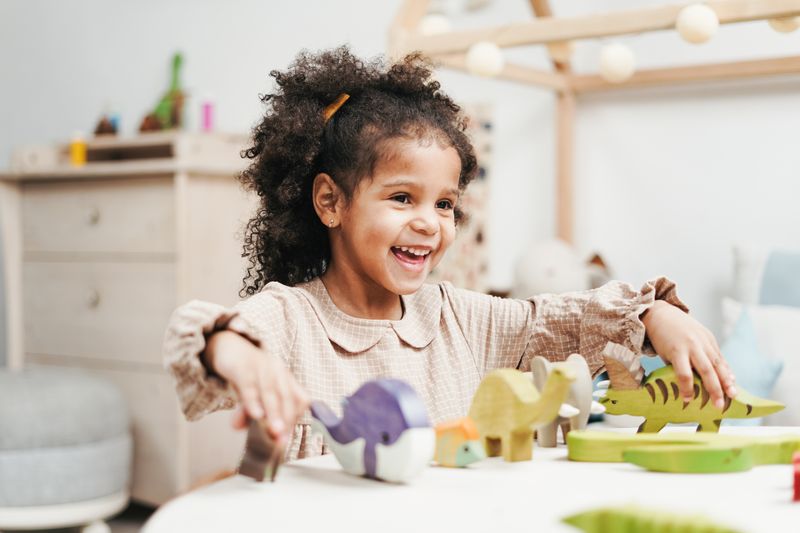
- Encourage Play: Play is the preschooler’s main learning tool. Offer a mix of solo and group play, creative activities, and outdoor exploration.
- Read Together: Storytime boosts language, imagination, and emotional bonding.
- Model Positive Behavior: Show kindness, patience, and curiosity in everyday life.
- Offer Choices: Let your child make simple decisions to foster independence.
- Stay Involved: Engage in conversations, ask about their day, and listen actively.
- Provide Structure: Consistent routines help children feel safe and confident.
- Promote Social Interaction: Arrange playdates, preschool, or group activities for social skills development.
When to Seek Support
It’s normal for children to progress at different rates, but some signs may warrant professional advice. Consult your pediatrician if:
- Your child shows little interest in other children or play
- Speech is difficult for strangers to understand at age 4–5
- Motor skills lag behind (e.g., unable to run, jump, or manipulate small objects)
- Persistent tantrums or trouble managing emotions
- Difficulty following simple instructions
Common Questions from Parents
What are the main developmental milestones for 3–5 year olds?
Preschoolers typically show progress in motor skills, language, social interaction, emotional regulation, and cognitive abilities. Each child may reach these milestones at their own pace, but most will begin to demonstrate increased independence, curiosity, and communication.
When should I be concerned about my child's development?
If your child consistently misses major milestones—such as not speaking in sentences, struggling with basic motor tasks, or showing little interest in playing with others—consult your pediatrician. Early intervention can make a big difference.
How can I support healthy development in my preschooler?
Provide a safe, stimulating environment with opportunities for play, conversation, exploration, and positive social interactions. Encourage curiosity, model healthy behaviors, and stay engaged with your child’s interests.
Do all children develop at the same rate?
No, every child is unique. Some may excel in one area while taking more time in another. Comparing your child to others should be avoided unless there are persistent concerns about their development.
Celebrating Your Child's Unique Journey
Every preschooler is wonderfully unique. Healthy development doesn’t mean perfection—it’s about steady progress, joyful exploration, and a growing sense of self. Celebrate each new skill, every question, and those precious moments of discovery. And remember, you’re not alone! Reach out to your child’s teachers, pediatrician, or fellow parents for support and guidance.
Final Thoughts
Watching your 3–5 year old blossom is one of parenting’s greatest joys. By understanding the signs of healthy development, you can nurture their growth, address concerns early, and create a foundation for lifelong learning and happiness.
Looking for more tips? Join the Growing Giggles community for expert advice, fun activities, and support on your parenting journey!