
Safety Gates and Locks: A Comprehensive Buying Guide for Parents
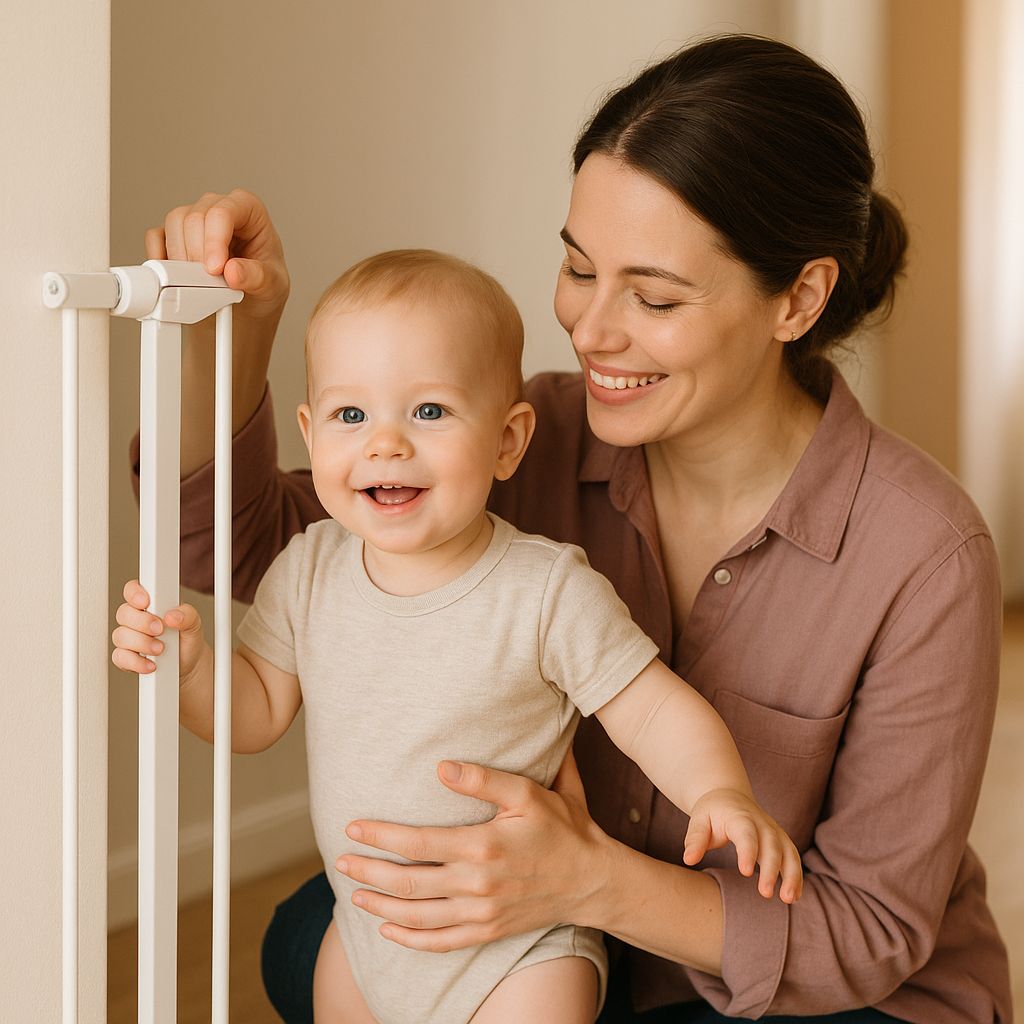
Childproofing is a crucial step in creating a safe and nurturing environment for your growing family. Among the most vital tools in your childproofing arsenal are safety gates and locks. These devices protect curious toddlers from household hazards, prevent access to dangerous areas, and give parents peace of mind. In this expert guide, Growing Giggles explores everything parents need to know about selecting, installing, and maintaining safety gates and locks.
Why Are Safety Gates and Locks Essential?
According to the U.S. Centers for Disease Control and Prevention (CDC), unintentional injuries are the leading cause of emergency visits for children. Many of these incidents—falls, poisonings, and burns—occur at home. Safety gates and locks are specifically designed to limit a child’s access to potentially hazardous areas such as stairs, kitchens, and bathrooms, dramatically reducing the risk of accidents.
Types of Safety Gates
Understanding the different types of safety gates helps you choose the right one for each area of your home:
- Pressure-Mounted Gates: These gates use tension to stay in place and are ideal for doorways or between rooms. They are easy to install and remove without tools but are not recommended for the top of stairs.
- Hardware-Mounted Gates: These gates are screwed directly into the wall or banister, making them the safest choice for the top and bottom of stairs. They offer superior stability and are less likely to be dislodged by a determined toddler.
- Retractable Gates: Made from mesh or fabric, these gates retract when not in use, saving space and reducing tripping hazards. They're suitable for high-traffic areas but may not be as robust as solid gates.
- Walk-Through Gates: Featuring a built-in door, these gates allow adults to pass through easily without removing the entire gate. They are convenient for frequent use in busy household zones.
- Specialty Gates: Designed for irregular spaces or extra-wide openings, these may include configurable gates or those tailored for fireplaces, decks, or outdoor use.
Choosing the Right Safety Gate
Consider the following factors when selecting a safety gate:
- Location: For stairs, always opt for hardware-mounted gates. For rooms, pressure-mounted may suffice.
- Width: Measure your openings. Extensions are available for extra-wide spaces.
- Height: A taller gate may be necessary for older toddlers or if you have pets.
- Material: Gates may be constructed from wood, metal, or plastic. Consider durability, aesthetics, and ease of cleaning.
- Ease of Use: Look for gates with one-handed operation for adults, self-closing features, or hold-open mechanisms for convenience.
- Safety Certifications: Check for JPMA, ASTM, or EN certifications to ensure the product meets recognized safety standards.
Types of Safety Locks
Safety locks are indispensable for securing cabinets, drawers, appliances, and doors. Here are common types:
- Cabinet and Drawer Locks: Prevent children from accessing cleaning supplies, sharp objects, or medicines. Options include magnetic, adhesive, and spring-action locks.
- Appliance Locks: Specially designed for refrigerators, ovens, microwaves, and dishwashers, these locks keep curious hands out of harm's way.
- Toilet Locks: Prevent accidental drowning and keep little ones away from unsanitary water.
- Door Knob Covers and Lever Locks: Make it difficult for children to open doors to unsafe areas like garages or basements.
- Sliding Door and Window Locks: Secure sliding glass doors and windows to prevent falls and unauthorized exits.
How to Choose the Right Safety Locks
Follow these guidelines to pick the best safety locks for your home:
- Assess Risk Areas: Identify where hazardous items are stored and prioritize those areas for locking.
- Compatibility: Ensure the locks fit your specific furniture, appliances, and door styles.
- Strength: Choose locks that can withstand persistent tugging and pulling from inquisitive toddlers.
- Ease of Use for Adults: Select locks that are simple for adults to operate but challenging for children.
- Non-Damaging Installation: Many locks use adhesive strips to avoid damaging your furniture, while others require screws for added security.
How to Install Safety Gates and Locks
- Read Instructions: Always follow the manufacturer’s guidelines for safe installation.
- Use the Right Tools: Gather necessary tools such as screwdrivers or drills for hardware-mounted products.
- Test Stability: Once installed, apply pressure to ensure gates and locks are secure and do not shift or loosen.
- Regular Checks: Periodically inspect all devices for signs of wear, damage, or loosening; tighten or replace as needed.
- Avoid Improvisation: Never use homemade barriers or locks, as they can fail unexpectedly and pose additional hazards.
Maintenance and Best Practices
- Check the operation of all gates and locks weekly, especially after your child has attempted to manipulate them.
- Clean surfaces regularly to prevent dirt buildup, which can impact adhesive strength or mechanical function.
- Replace any device that shows cracks, warping, or mechanical failure.
- As your child grows, update or remove barriers as appropriate for their age and abilities.
Safety Tips for Using Gates and Locks
- Never climb over a safety gate—always use the walk-through feature if available.
- Do not leave chairs or other furniture near gates or locked cabinets, as children may use them to climb over or reach dangerous items.
- Supervision is essential; no safety device is a substitute for attentive parenting.
- Teach older children about safety and why gates and locks are used.
- Keep emergency contact numbers visible and ensure all caregivers are familiar with your home’s safety devices.
Top Safety Gate and Lock Brands
Some of the most trusted brands in childproofing include:
- Regalo
- Summer Infant
- Evenflo
- Dreambaby
- Munchkin
- KidCo
- Safety 1st
Always research and read reviews to ensure you’re purchasing a reliable and effective product.
Frequently Asked Questions
- What is the difference between pressure-mounted and hardware-mounted safety gates?
- Pressure-mounted safety gates use tension to stay in place and are ideal for doorways and non-hazardous areas. Hardware-mounted gates require screws and are best for the top of stairs or other dangerous locations, offering more security.
- At what age should I remove safety gates?
- Most experts recommend removing safety gates once your child is around two years old and can safely navigate stairs, but this depends on your child's development and your home's layout.
- Are safety locks easy to install?
- Many safety locks are designed for simple, tool-free installation, but some may require basic tools or drilling. Always follow the manufacturer's instructions for secure fitting.
- Can safety gates be used for pets as well as children?
- Yes, many safety gates are suitable for both children and pets. Always check the gate’s specifications to ensure it meets your needs.
- How do I know if a product meets safety standards?
- Look for products certified by recognized organizations such as the Juvenile Products Manufacturers Association (JPMA) or those that comply with ASTM and EN standards.
Conclusion
Investing in the right safety gates and locks is a proactive way to protect your child as they grow and explore their environment. By understanding the different types, key features, and best practices for installation and maintenance, parents can create a safer home without compromising on convenience or style. Remember: childproofing is an ongoing process, and regular checks ensure your safety devices remain effective. Stay informed, stay vigilant, and enjoy peace of mind as your little one discovers the world safely.