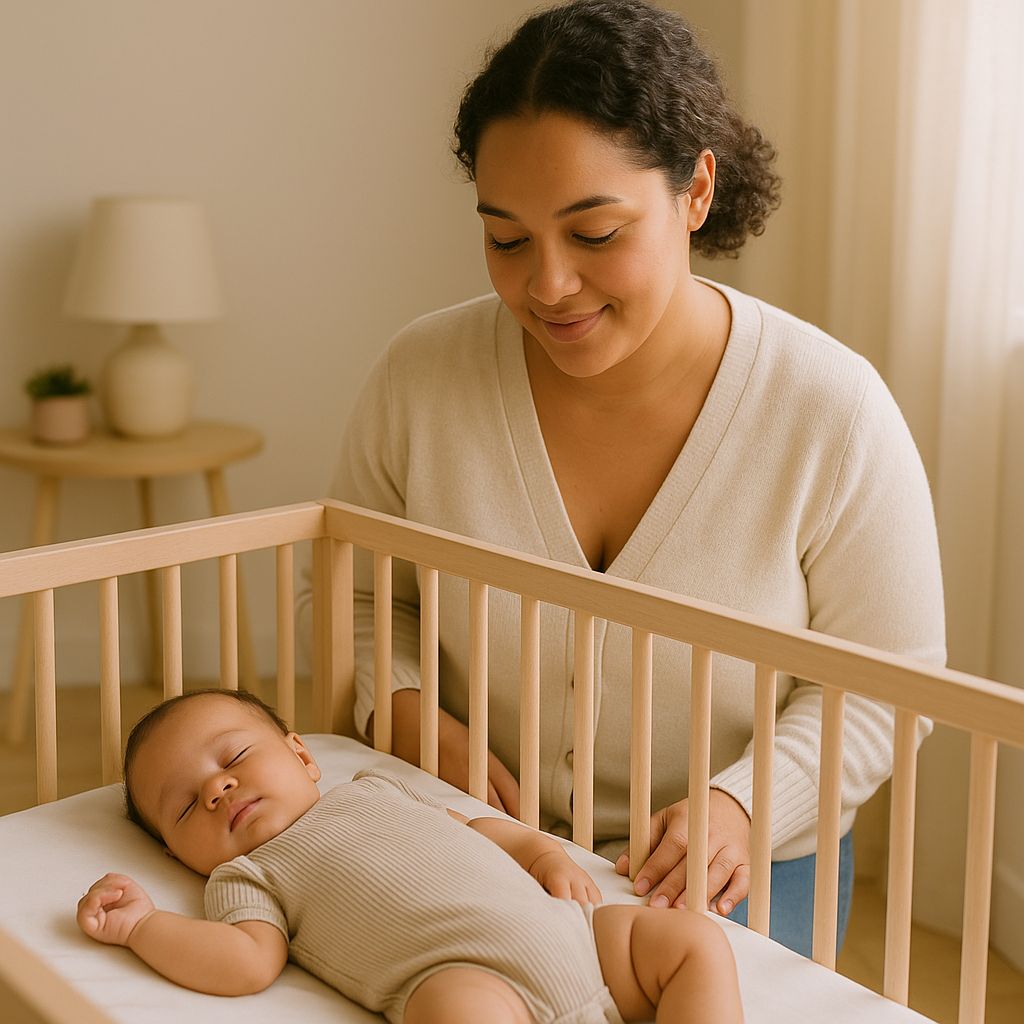

Safe Sleep Practices for Infants: A Comprehensive Guide for Parents
As a parent, ensuring your infant sleeps safely is one of the most important responsibilities you bear. From the moment your newborn enters the world, their sleep environment plays a critical role in their health, development, and safety. The American Academy of Pediatrics (AAP) and other child health organizations have established evidence-based recommendations to help parents foster safe sleep environments and habits for their babies. This article serves as an authoritative, educational guide to safe sleep practices for infants, aiming to reduce the risk of Sudden Infant Death Syndrome (SIDS), prevent accidental suffocation, and promote restful, healthy sleep.
Why Are Safe Sleep Practices Essential?
Infants are particularly vulnerable during sleep due to their underdeveloped motor skills, immature airways, and inability to reposition themselves if their breathing is compromised. Unsafe sleep environments can increase the risk of SIDS, suffocation, and other fatal sleep accidents. Implementing safe sleep practices is the most effective way to protect your baby during these crucial early months.
Understanding Sudden Infant Death Syndrome (SIDS)
SIDS is the unexpected and unexplained death of an apparently healthy infant, usually during sleep. While the exact cause remains unknown, certain sleep practices and environmental factors have been linked to increased risk. Safe sleep guidelines are designed to minimize these risks and provide peace of mind for caregivers.
Key Safe Sleep Practices for Infants
1. Always Place Your Baby on Their Back to Sleep
Placing infants on their backs to sleep is the single most important practice for reducing SIDS risk. Whether it's naptime or bedtime, back-sleeping offers the safest position for infant airways. Once your baby can roll over independently, you can allow them to find their own sleep position, but always start with the back.
2. Use a Firm, Flat Sleep Surface
Babies should sleep on a firm, flat mattress covered with a fitted sheet in a safety-approved crib, bassinet, or play yard. Avoid soft mattresses, sofas, armchairs, or adult beds, as these surfaces can lead to suffocation or entrapment.
3. Keep the Sleep Area Free from Hazards
Remove all loose bedding, pillows, bumper pads, stuffed animals, and toys from your baby’s sleep environment. These items can obstruct your infant’s breathing or cause overheating. Minimalist sleep spaces are safest.
4. Room-Sharing Without Bed-Sharing
Room-sharing, where your baby sleeps in your room but on their own sleep surface, is recommended for at least the first six months, ideally up to one year. Bed-sharing increases the risk of sleep-related deaths and is not advised.
5. Maintain Comfortable Room Temperature
Overheating is a risk factor for SIDS. Keep the room at a comfortable temperature (typically 68-72°F or 20-22°C) and dress your baby in appropriate sleepwear. Avoid overdressing and do not use blankets; instead, consider a wearable sleep sack.
6. Swaddling: Do’s and Don’ts
Swaddling can help soothe newborns but must be done safely. Use proper technique, allow room for hip movement, and discontinue swaddling as soon as your baby shows signs of rolling. Never swaddle with loose blankets or after your baby is mobile.
7. Avoid Sleep Positioners and Wedges
Devices marketed to keep babies in a specific position or prevent rolling are not recommended and may increase suffocation risk. Rely only on the guidance of your pediatrician for special sleep needs.
8. Practice Safe Daytime and Naptime Sleep
Safe sleep practices apply to all sleep situations, not just overnight. Ensure your baby naps on their back in a safe environment, and never let them sleep unattended on sofas or other unsafe surfaces.
Creating a Safe Sleep Environment
Choosing a Safe Crib or Bassinet
- Ensure the sleep space meets current safety standards (look for certification labels).
- Cribs should have slats less than 2-3/8 inches apart.
- Do not use drop-side cribs or those older than 10 years.
- Firm, flat mattress with a fitted sheet only.
Other Safe Sleep Essentials
- Place the crib away from window cords, blinds, and electrical outlets.
- Ensure no heavy objects are above the crib (avoid hanging mobiles or pictures).
- Check for loose or broken hardware regularly.
Safe Sleepwear for Infants
Dress your baby in snug-fitting sleepwear appropriate for the room temperature. Sleep sacks or wearable blankets are recommended over loose blankets. Avoid hats or head coverings during sleep indoors, as they can cause overheating.
Breastfeeding and Safe Sleep
Breastfeeding is associated with a reduced risk of SIDS. If you breastfeed, always return your baby to their own sleep surface after feeding, and avoid falling asleep with your infant in bed or on a sofa.
Pacifiers and SIDS Prevention
Offering a pacifier at naptime and bedtime may help reduce SIDS risk. If you choose to use a pacifier, do not force your baby to take it, and do not attach it to clothing or bedding with cords or clips.
Smoke-Free Environment
Expose your infant to a smoke-free environment, as prenatal and secondhand smoke greatly increase SIDS risk. Ensure your home and car are smoke-free zones.
Travel and Safe Sleep
When traveling, ensure your baby sleeps in a portable crib or play yard that meets safety standards. Never allow your infant to sleep in car seats, strollers, or swings for extended periods, as these are not designed for safe, unsupervised sleep.
Common Sleep Safety Myths Debunked
- Myth: Babies sleep better on their stomachs.
Fact: Stomach sleeping is dangerous for infants and increases SIDS risk. - Myth: Crib bumpers prevent injury.
Fact: Bumpers are a suffocation hazard and should not be used. - Myth: Swaddling is safe for all ages.
Fact: Swaddling should be discontinued once the baby can roll over.
When to Seek Help
If you have concerns about your baby’s sleep, breathing, or development, consult your pediatrician. Unusual sleep behaviors, persistent crying, or signs of illness should always be evaluated by a healthcare provider.
Safe Sleep Checklist for Parents
- Back-sleeping for every sleep.
- Firm, flat mattress with fitted sheet only.
- No loose bedding, pillows, or toys.
- Room-sharing without bed-sharing.
- Comfortable room temperature and safe sleepwear.
- Smoke-free environment.
- Safety-approved crib or bassinet.
- No sleep positioners or wedges.
- Pacifier use (if desired), with safety precautions.
Conclusion
Safe sleep practices are the cornerstone of infant wellness and prevention of sleep-related tragedies. By following the guidelines outlined in this comprehensive article, parents and caregivers can significantly reduce risks and foster a secure, nurturing environment for their babies to rest and grow. Remember, every safe sleep decision you make supports your child’s health, development, and your peace of mind.
Frequently Asked Questions
- What is the safest sleep position for infants?
The safest sleep position is on the back for all sleep periods. - Can infants sleep in the same bed as parents?
Bed-sharing is unsafe; room-sharing is recommended. - Is it safe to use blankets or pillows in a baby's crib?
No. Remove all soft items from the crib. - How can I keep my baby warm without blankets?
Use sleep sacks or wearable blankets. - When can babies safely sleep on their stomach?
Once they can roll over independently.
References
- American Academy of Pediatrics. "Safe Sleep Recommendations."
- Centers for Disease Control and Prevention. "SIDS and Safe Sleep."
- National Institutes of Health. "Safe to Sleep Campaign."